














Barat Dress Guide: Colors, Fabrics & Silhouettes That Work
Barat remains the most formal, most photographed event of a Pakistani wedding season, and getting the outfit right means navigating three decisions at once — whether to go traditional or modern with color, which fabric actually suits the season you're getting married or attending in, and which silhouette fits your specific role in the event. This guide goes deep into all three, plus the accessorizing details that finish a Barat look properly, so you can shop Barat Dresses with a clear point of view rather than defaulting to whatever's trending.
Traditional vs Modern: Which Barat Color Story Is Actually Yours
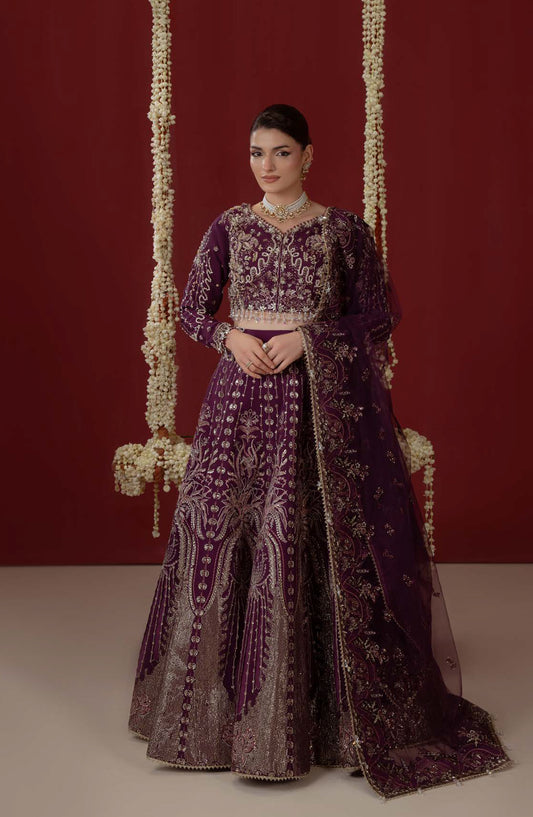
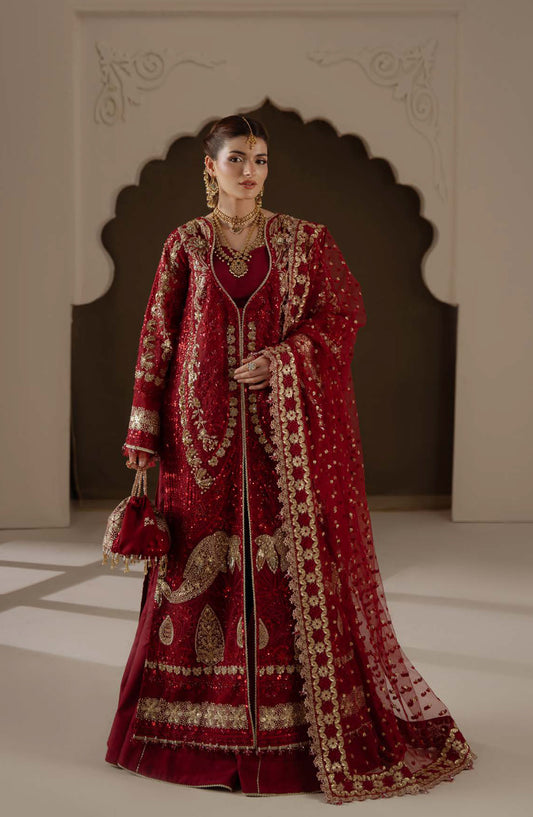
The Traditional Case: Deep reds, maroons, and rich jewel tones have carried Barat symbolism for generations — red in particular is tied to prosperity, celebration, and bridal tradition across South Asian culture. For brides who want their Barat look to feel rooted in that lineage, and for guests who want a look that reads as unmistakably "wedding formal," traditional colors remain a reliable, respected choice that photographs beautifully against typical Barat décor and lighting.
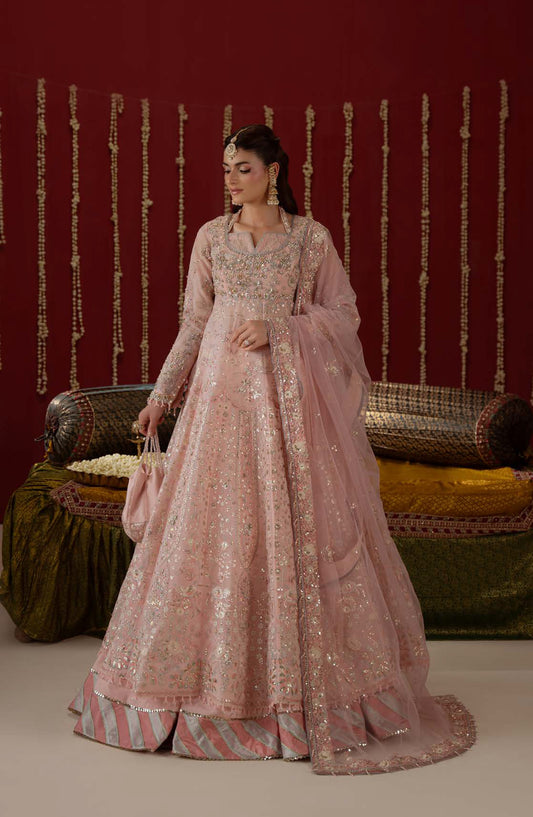
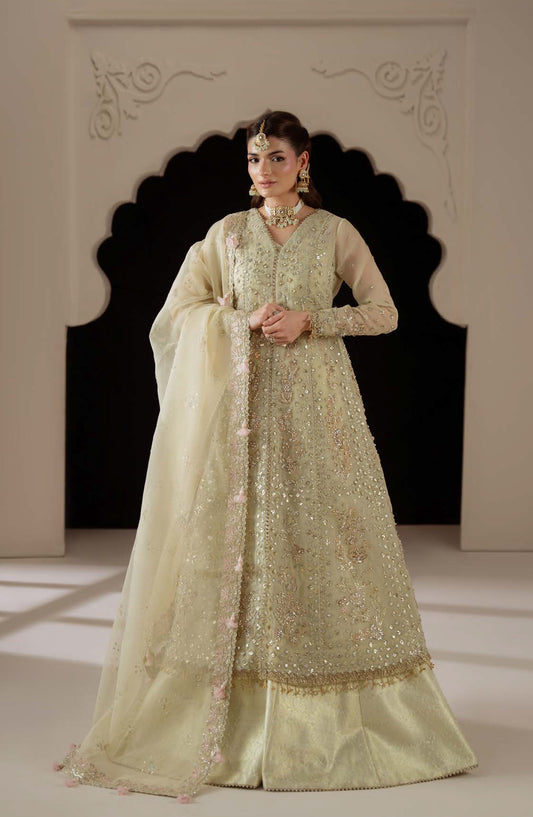
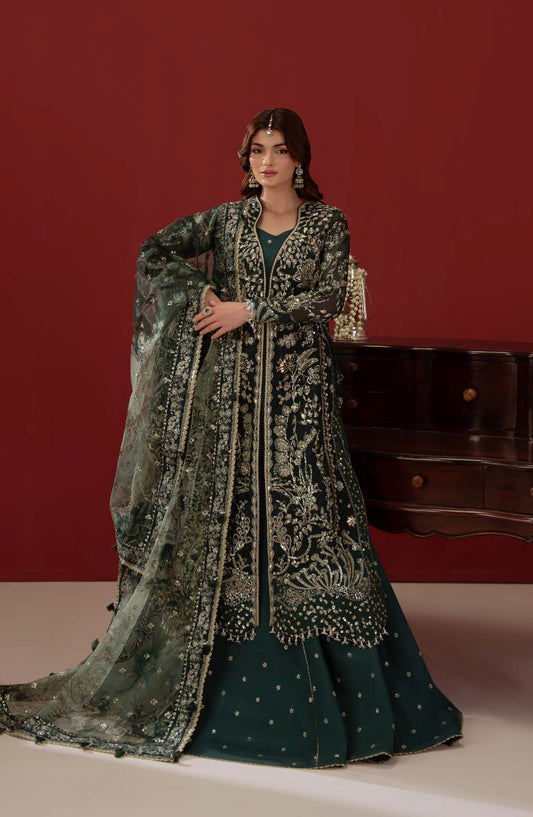
The Modern Case: A growing number of brides are choosing colors outside the traditional palette — deep emerald, royal blue, blush and gold combinations, or even black paired with heavy gold embellishment — specifically to stand apart from what's expected while still keeping the formality level appropriate for the event. This shift is partly aesthetic preference and partly practical: a distinctive color choice tends to photograph more memorably in an era where wedding photography and social sharing carry more weight than in previous generations.
How to Decide: If your priority is honoring tradition and family expectation, lean traditional; it rarely disappoints and works with virtually any embellishment style. If you want your Barat photos to feel distinctly "you" and are comfortable with a slightly less conventional choice, a modern jewel tone still reads as appropriately formal while standing out. For guests, traditional deep tones (avoiding red specifically, which is reserved for the bride) remain the safest choice, though jewel tones and metallics are increasingly accepted as stylish alternatives.
Fabrics That Actually Hold Up Through a Full Barat Night
Barat events often run long — hours of photos, ceremony, and celebration — so fabric choice needs to balance formality with genuine wearability, not just how it looks in the first thirty minutes.
For Winter Barat Season: Velvet, raw silk, and heavier organza hold structure and warmth well, and their weight actually enhances how embellishment catches light in evening settings, which is when most Barat ceremonies are held. These fabrics also tend to resist wrinkling better through a long night of sitting, standing, and movement.
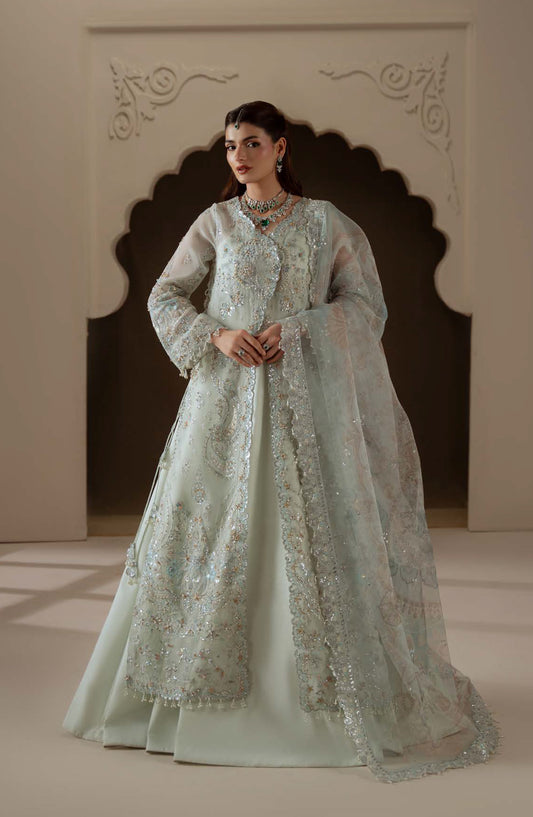
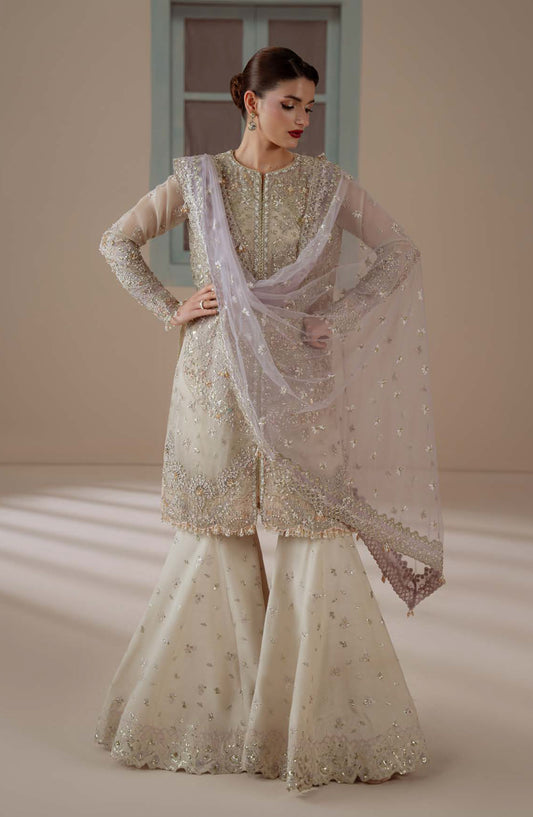
For Summer or Warm-Weather Barat Season: Lighter silks, fine organza, and well-structured chiffon layered over a supportive base offer formality without the discomfort heavier fabrics bring in heat. A structured chiffon or net lehenga, for instance, can carry the same visual weight as velvet through embellishment density while remaining far more wearable in warm conditions.
What to Avoid Regardless of Season: Very stiff, non-breathable synthetic fabrics that don't move naturally tend to look less premium in photographs and are genuinely uncomfortable across a multi-hour event — fabric quality shows up disproportionately in close-up photography, which is worth prioritizing over price alone for this specific event.
Silhouettes: What the Bride's Family Wears vs What Guests Wear
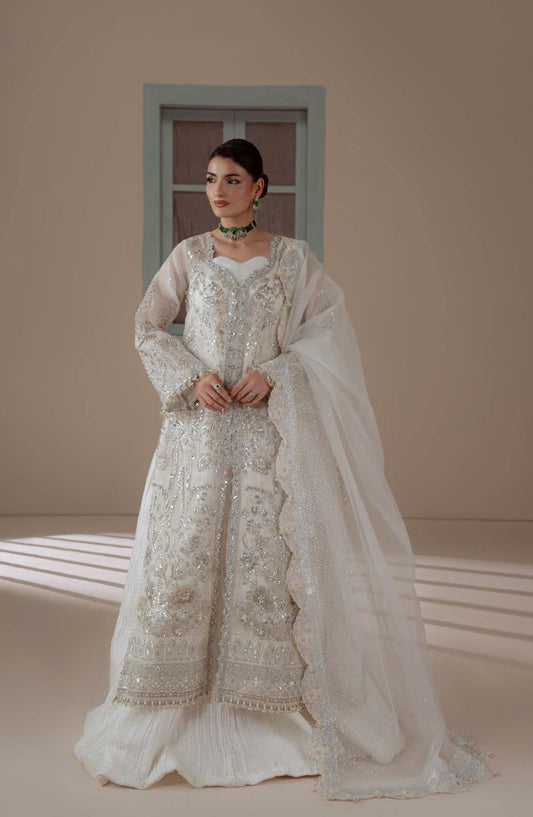
Bride's Immediate Family (Mother, Sisters, Close Relatives): This group typically dresses with slightly more formality and embellishment than general guests, often in coordinated or complementary color palettes decided in advance with the bride. Structured lehengas, heavily embellished gowns, or traditional sharara sets with rich detailing are common, since this group is prominently featured throughout the event's photography.
Groom's Immediate Family: Similar formality expectations apply, though the color palette is typically decided independently from the bride's side, sometimes coordinated within the groom's family group specifically for a cohesive look in event photos.
General Guests: A well-tailored, formal outfit in a rich color with moderate embellishment is entirely appropriate — guests aren't expected to match the embellishment intensity of family members, but under-dressing for Barat's formality level (choosing something closer to daytime festive wear) can feel noticeably out of place.
A Practical Note on Silhouette Choice: Structured, fitted silhouettes through the bodice with volume introduced lower (lehengas, flared gowns) tend to photograph more flatteringly across a wide range of body types than fully voluminous, unstructured designs — worth keeping in mind regardless of which "tier" of guest you fall into.
Finishing the Look: Jewelry, Footwear, and the Details That Complete It
Jewelry: Statement jewelry is expected at Barat more than any other wedding event — a full jewelry set (necklace, earrings, and often a maang tikka or matha patti for close family) in gold, kundan, or polki style complements heavily embellished outfits without looking mismatched, since the outfit's own detail level can carry substantial jewelry without feeling overdone.
Footwear: Embellished heels in gold, silver, or a tone that complements the outfit work best, ideally with enough comfort to last through a long event — Barat is not the night to test brand-new, unbroken-in heels for the first time.
Clutch or Potli Bag: A structured, embellished clutch or a traditional potli bag in a coordinating metallic tone finishes the look; oversized or overly casual bags undercut the formality of an otherwise carefully considered outfit.
Dupatta Styling: For heavily embellished Barat lehengas or gowns, dupatta draping tends to favor a structured, pinned style (over one shoulder or as a train) rather than a loose, casual drape, keeping the overall silhouette polished through hours of movement and photography.
FAQs
1. What color should I avoid wearing to a Barat as a guest?
Deep reds and maroons are generally best avoided as a guest, since these colors are traditionally reserved for the bride at Barat.
2. Is it acceptable to wear a non-traditional color to my own Barat?
Yes, many contemporary brides choose colors like emerald, royal blue, or blush and gold combinations instead of traditional red, as long as the overall formality and embellishment level still matches the occasion.
3. What's the best Barat fabric for a summer wedding?
Lighter silks, fine organza, or structured chiffon over a supportive base offer formality without the discomfort of heavier fabrics like velvet in warm weather.
4. Should guests match the embellishment level of the bride's family at Barat?
No, guests aren't expected to match the family's embellishment intensity, but the outfit should still meet Barat's overall formality level rather than reading as casual or daytime festive wear.
5. What jewelry works best with a heavily embellished Barat outfit?
A full jewelry set in gold, kundan, or polki style typically complements heavily embellished Barat outfits well, since the outfit's own detail can carry substantial jewelry without appearing mismatched.