



















Designer Suits for Women: A Season-by-Season Buying Guide
The right designer suit changes completely depending on the season: lightweight lawn and chiffon with breathable cuts for summer, richer fabrics like velvet and jamawar for winter, and heavily embellished silks or organzas for wedding season. Buying designer suits without factoring in season and occasion is the fastest way to end up with a wardrobe full of pieces you rarely wear. This guide breaks down exactly what to look for in each season, so every designer suit you buy actually earns its place in your closet.
Designer suits are an investment; in fabric quality, embroidery work, and cut; so getting the season and occasion right matters more here than with everyday wear. Below is a practical, buy-smart breakdown for each part of the year.
Summer Designer Suit Picks
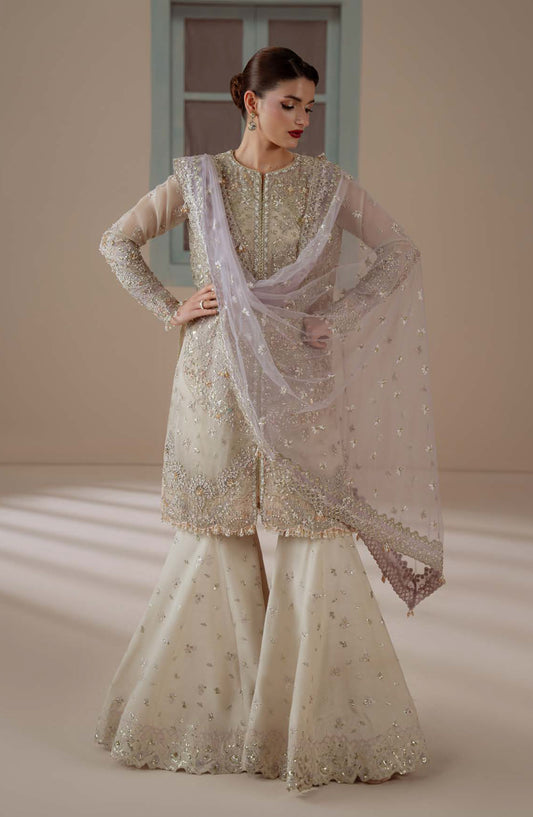
Summer is where fabric choice makes or breaks a designer suit. Heavy embellishment on the wrong base fabric can feel stifling in high heat, no matter how beautiful it looks on a hanger.
What to prioritize:
-
Lawn and cambric as base fabrics; they're breathable, lightweight, and take embroidery and digital prints beautifully without adding weight.
-
Thread and mirror work over dense zari or sequins; these add texture and shine without trapping heat the way heavier metallic embroidery does.
-
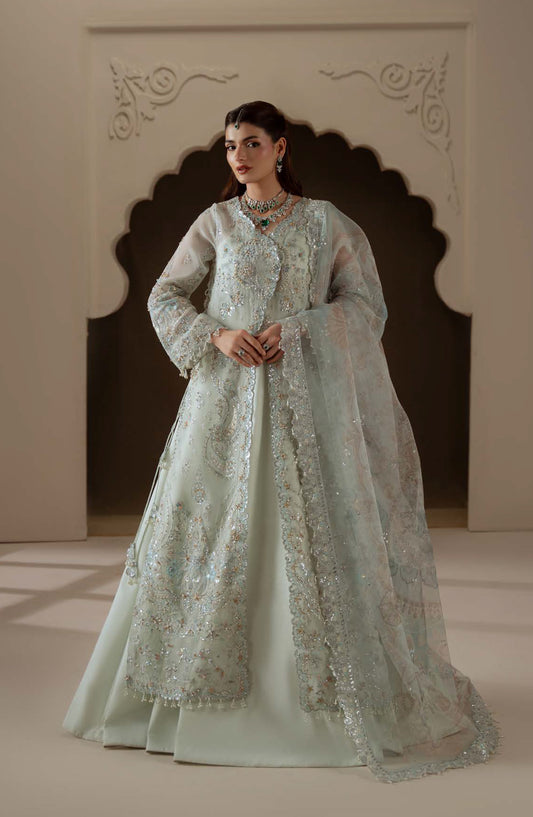
Lighter dupattas in chiffon or net rather than heavily worked silk, especially for daytime events.
-
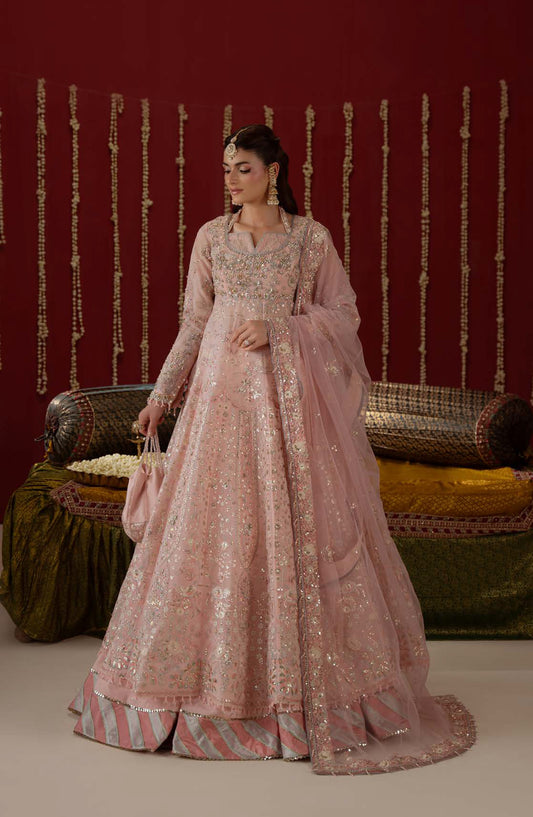
Pastel and soft jewel tones photograph well in natural summer light and pair easily with minimal jewelry for both casual and semi-formal settings.
Best for: Daytime weddings, mehndi functions, Eid, casual get-togethers, and office-appropriate formal wear when the embroidery is kept subtle.
Buying tip: If you're choosing between two similar designer pieces, prioritize the one with better fabric breathability over the one with denser embroidery; you'll actually wear it more.
Winter Designer Suit Picks
Winter opens up fabric options that summer simply can't handle; and designer suits in this season lean into richness and depth rather than lightness.
What to prioritize:
-
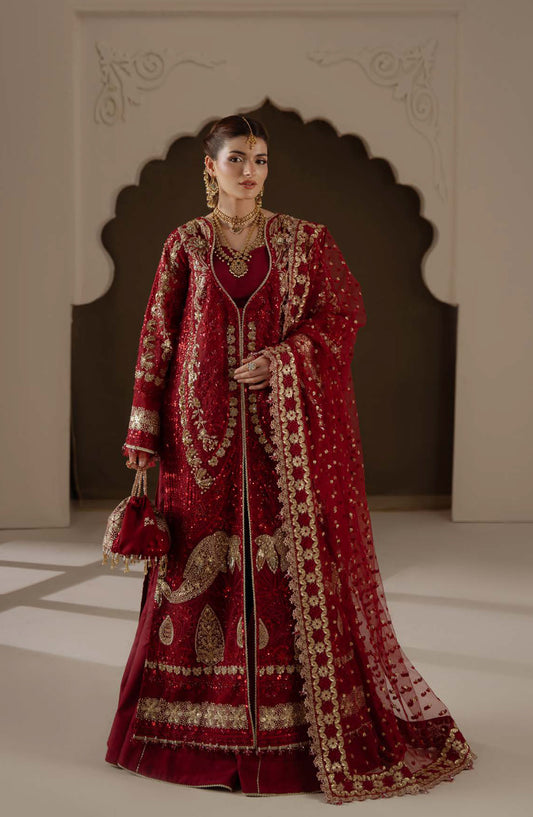
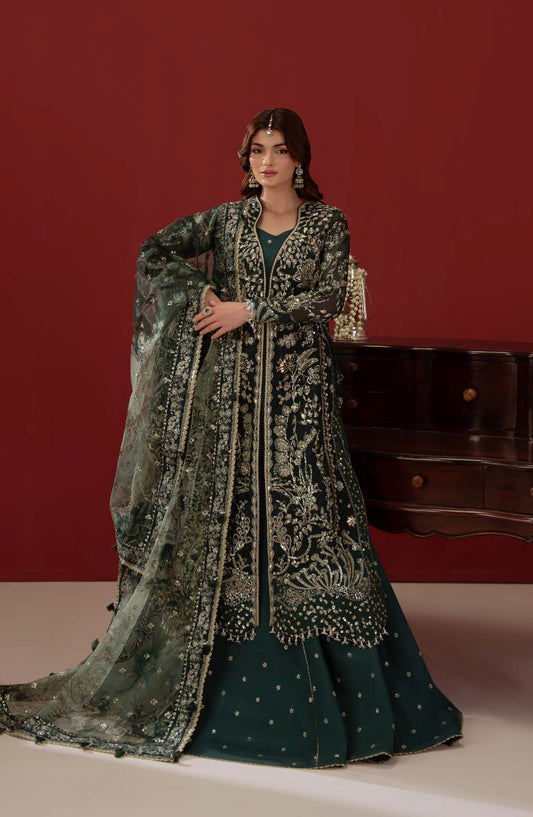
Velvet, jamawar, and khaddar as base fabrics; they hold structure well and pair beautifully with heavier embroidery techniques like zardozi, gota, and tilla work.
-
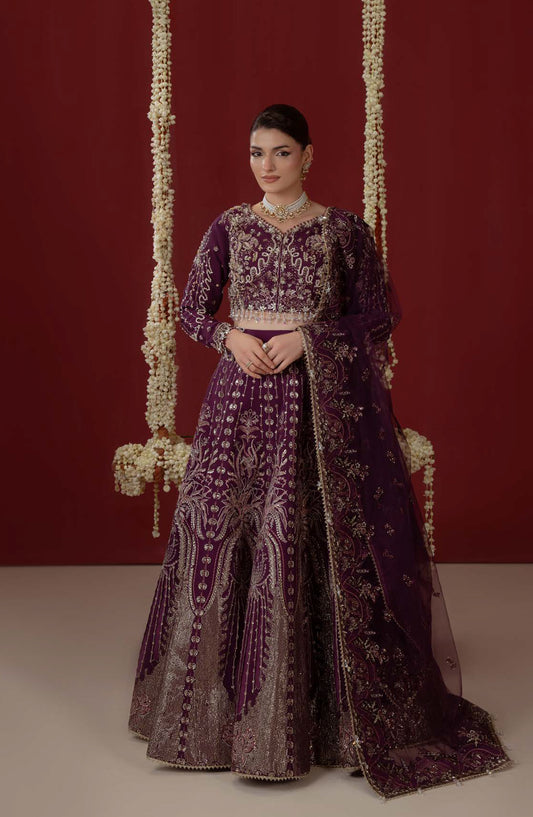
Deeper, saturated colors; maroon, bottle green, navy, and mustard tend to dominate winter designer collections because they suit both the season's lighting and the heavier fabric textures.
-
Layered silhouettes; a shawl or long-line jacket over a fitted kameez adds both warmth and a more elevated, finished look.
-
Statement dupattas; winter is when a heavily embroidered or shawl-style dupatta can be the focal piece of the outfit rather than a lighter, understated accessory.
Best for: Winter weddings, family functions, festive get-togethers, and formal events where a richer fabric palette feels appropriate to the season.
Buying tip: Velvet and jamawar hold their shape and color far longer than lighter fabrics, which makes winter designer suits a stronger long-term investment piece if you're building a formal wardrobe gradually.
Wedding Season Designer Suit Picks
Wedding season demands a different buying approach altogether; you're not just choosing a suit, you're choosing a piece that needs to work for a specific event, alongside specific jewelry, and often specific photographs.
What to prioritize:
-
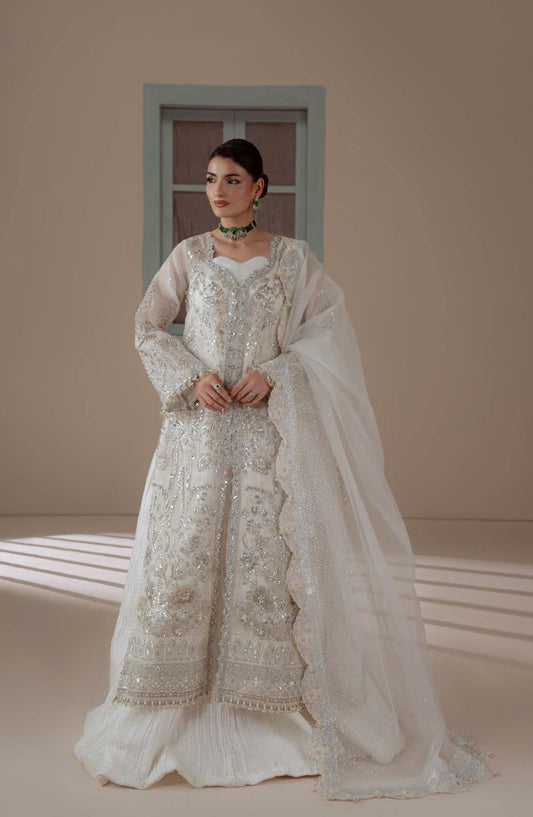
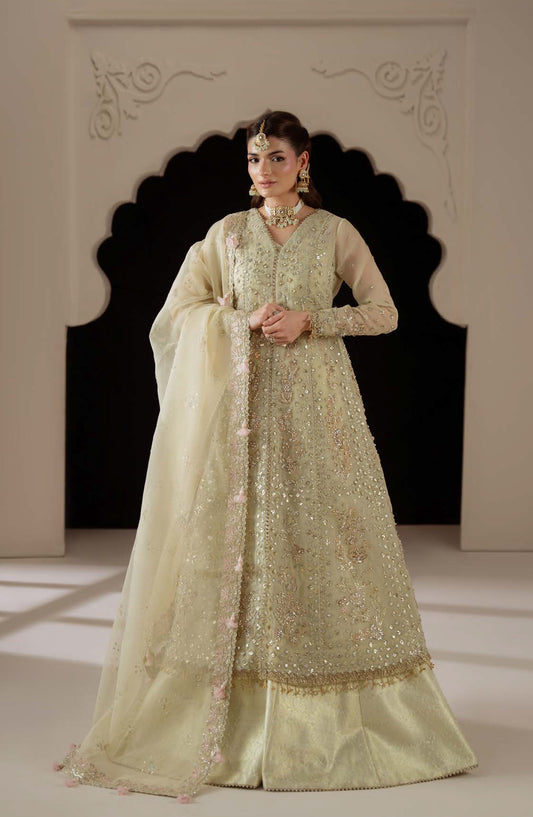
Fabric that matches the event's formality tier. Organza and raw silk work well for daytime or mid-tier events; heavier silks, net with dense embellishment, and structured fabrics suit main wedding functions like the walima or barat.
-
Embroidery density relative to the venue. Outdoor daytime functions call for lighter embellishment that won't feel heavy in warmer settings, while indoor evening events can carry heavier zardozi, sequin, or crystal work.
-
Color coordination with the function, not just personal preference. Mehndi leans toward vibrant yellows, greens, and oranges; barat and walima often shift toward deeper jewel tones or classic reds and golds, though this varies by personal and regional preference.
-
Comfort for long wear. Wedding functions run long; prioritize suits with breathable linings and manageable weight, even in heavily embellished pieces, so you're not adjusting or re-draping all evening.
Best for: Mehndi, barat, walima, and other wedding-adjacent formal events where the outfit needs to photograph well and hold up over several hours of wear.
Buying tip: Buy wedding-season designer suits closer to the event date if possible; trends in color palettes and embellishment style shift from season to season, and buying too early can mean settling for what's available rather than what's current.
Building a Year-Round Designer Wardrobe
Rather than buying reactively before each event, a more strategic approach is to build out your designer wardrobe with intention across the year:
-
Start with one strong piece per season. One excellent summer lawn designer suit, one winter velvet or jamawar piece, and one wedding-appropriate formal suit cover the bulk of your event calendar without overbuying.
-
Choose versatile base colors first, statement colors second. A well-cut suit in a versatile tone (deep maroon, navy, emerald) can be re-worn across multiple functions with different jewelry and dupatta styling, while a very specific trend color may only work for one event.
-
Invest more in fabric and stitching quality for pieces you'll rewear. Suits you'll wear to multiple functions across years; rather than a single wedding event; are worth spending more on for fabric durability and construction.
-
Keep dupattas and accessories flexible. A neutral or lightly embellished dupatta can be swapped between two or three suits, letting you get more mileage out of fewer statement pieces.
-
Track what you actually wear. Before your next purchase, look back at which designer pieces got the most wear in the last year; this is usually a better guide to future buying than trend lists.
A season-by-season approach means every designer suit purchase has a clear purpose, rather than accumulating pieces that only suit one specific event and then sit unworn.
Explore AlKarim Fabric's designer wear collection to find pieces suited to your season and event, from breathable summer lawn to richly embellished wedding-ready designs.
FAQs
1. What's the difference between designer suits and regular ready-to-wear suits?
Designer suits typically use higher-grade fabrics, more intricate or hand-finished embroidery, and are produced in smaller quantities or as part of curated collections, which is why they're priced higher than standard ready-to-wear pieces. The construction and finishing details are also generally more refined.
2. How many designer suits do I actually need in my wardrobe?
Most people don't need more than three to four well-chosen designer suits at a time; one lightweight summer piece, one heavier winter piece, and one or two wedding-appropriate options. Quality and versatility matter more than quantity.
3. Can the same designer suit work for both mehndi and a daytime wedding function?
It depends on the color and embellishment level. A suit in a vibrant color with moderate embroidery can often transition between a mehndi and another daytime function, but heavily themed mehndi pieces (bright yellows, floral motifs) are usually less versatile for other events.
4. How do I know if a designer suit's fabric is suited to Pakistan's summer heat?
Check the base fabric first; lawn, cambric, and cotton-silk blends breathe well in high heat, while heavier silks, velvet, or dense net can feel uncomfortable outdoors. Also consider embroidery weight, since dense zari or sequin work adds both weight and warmth.
5. Is it better to buy designer suits online or in-store?
Both work well depending on what you're buying; online shopping gives access to a wider range of collections and is convenient for repeat or planned purchases, while in-store shopping can help with fabric texture and color-matching for a specific event, especially with rich fabrics like velvet or jamawar where color can look different online versus in person.