


















How Much Fabric Is in a 3-Piece Suit? (And Is It Worth the Price?)
A standard unstitched 3-piece suit typically contains around 7 to 7.5 meters of fabric in total — roughly 3.25 meters for the shirt, 2.5 meters for the trouser or shalwar, and 2.5 meters for the dupatta, though exact amounts shift slightly depending on fabric type and design. Understanding this breakdown matters because it lets you calculate whether you're actually getting fair value for the price tag, rather than judging a suit on packaging or presentation alone. Here's the real meterage math, what that extra dupatta fabric is actually worth, and when paying for a 3-piece makes financial sense over a 2-piece.
Standard Meterage Breakdown
Most ready-to-stitch 3-piece suits follow a fairly consistent meterage formula across fabric types, with small variations depending on whether the fabric is lawn, khaddar, karandi, or a heavier winter material. The shirt piece typically runs 3 to 3.5 meters, enough to accommodate a range of heights and shirt lengths, from shorter contemporary cuts to longer, more traditional styles. The trouser or shalwar piece generally measures 2.5 meters, which is standard across most bottom styles including straight pants, shalwars, and cigarette trousers.
The dupatta is where meterage varies the most. A standard dupatta runs about 2.5 meters, but lighter fabrics like chiffon or net dupattas are sometimes cut slightly longer, around 2.75 meters, to account for how the fabric drapes and falls. Heavier winter dupattas, particularly in khaddar or wool blends, may run closer to 2.25 meters since the fabric's weight means less length is needed to achieve the same visual coverage.
Add it up, and a typical 3-piece suit lands between 7 and 7.5 total meters, compared to roughly 5.5 to 6 meters for an equivalent 2-piece suit without the dupatta.
What You Get for the Extra Fabric (Dupatta Value)
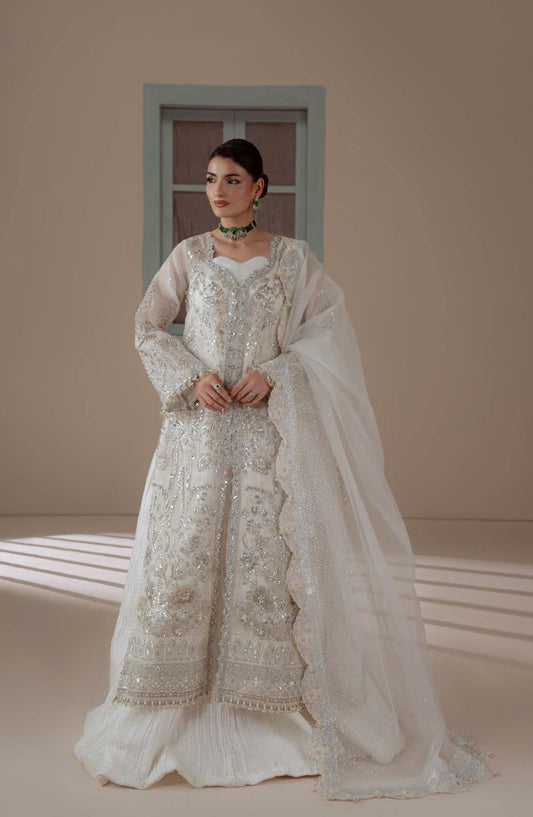
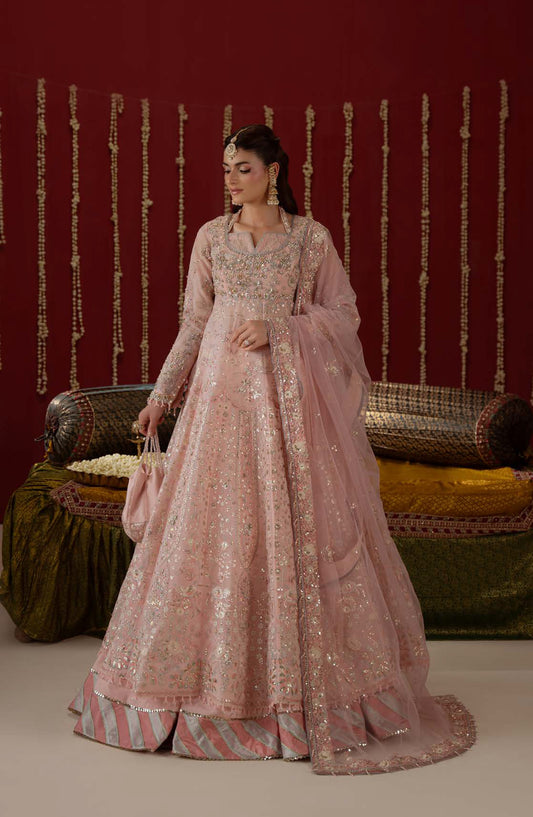
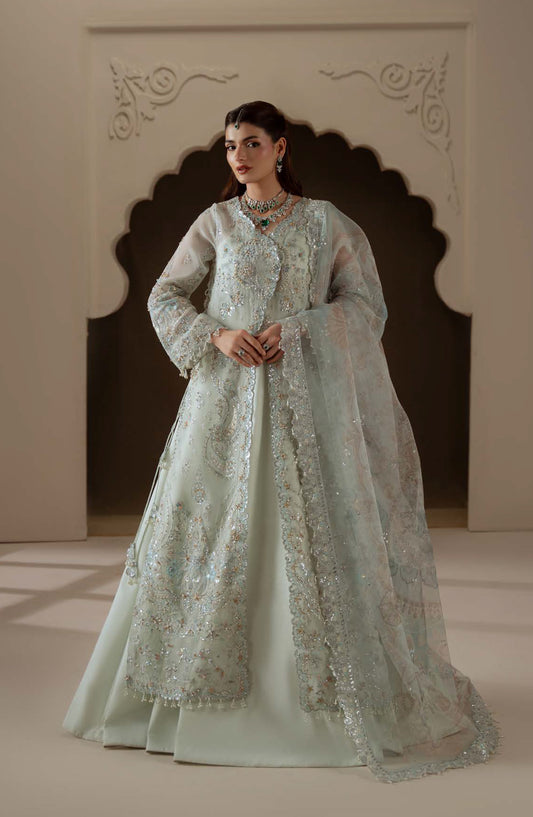
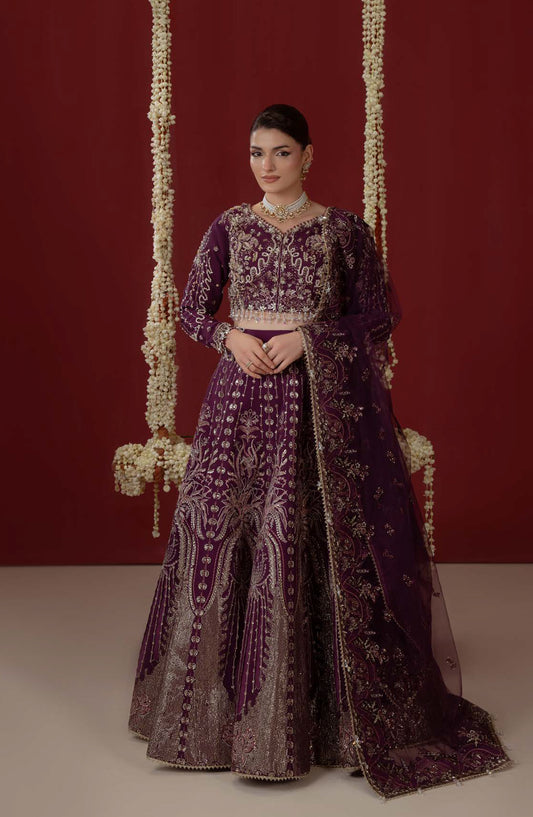
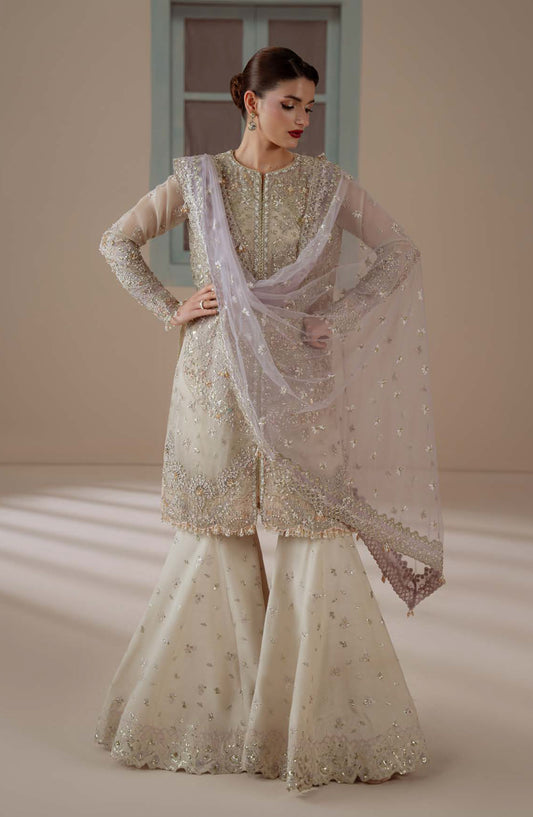
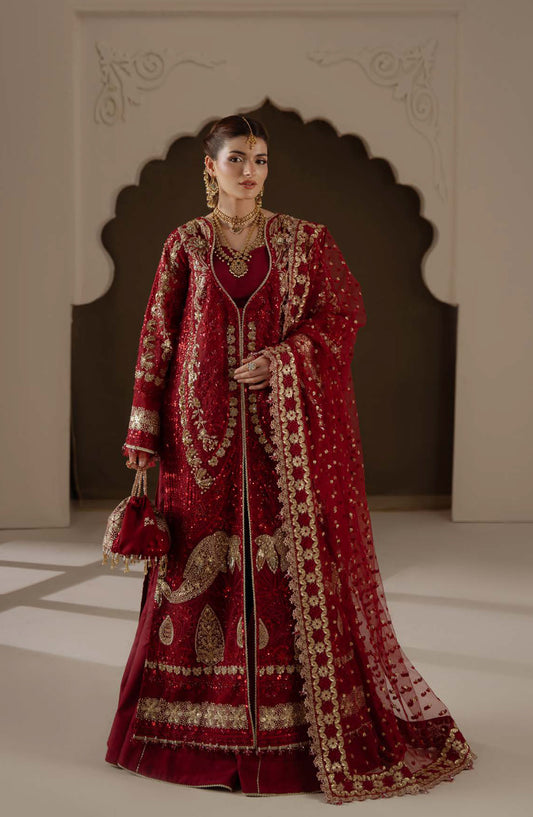
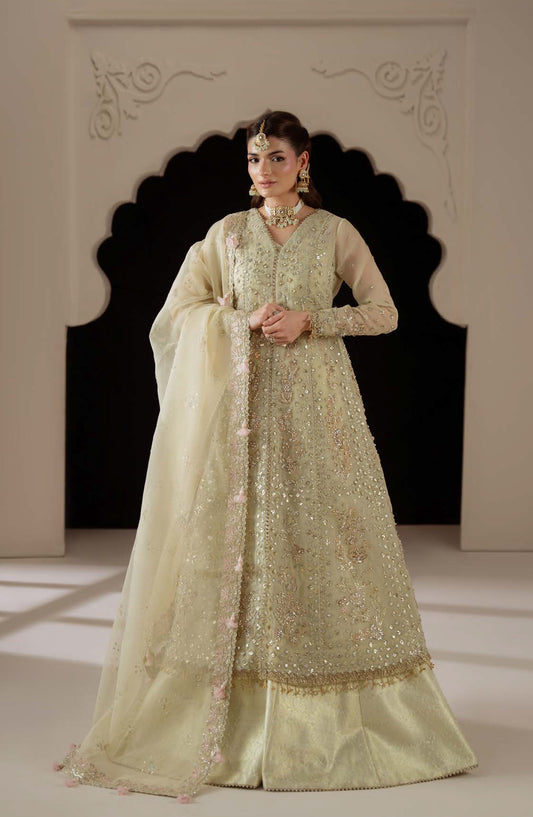
That extra 1.5 to 2 meters of dupatta fabric isn't just filler — it's often where a meaningful portion of the suit's design work and cost actually lives. Dupattas frequently carry their own embroidery borders, block prints, or embellishment that's distinct from the shirt's design, meaning the extra fabric comes with its own labor and material cost beyond simple yardage.
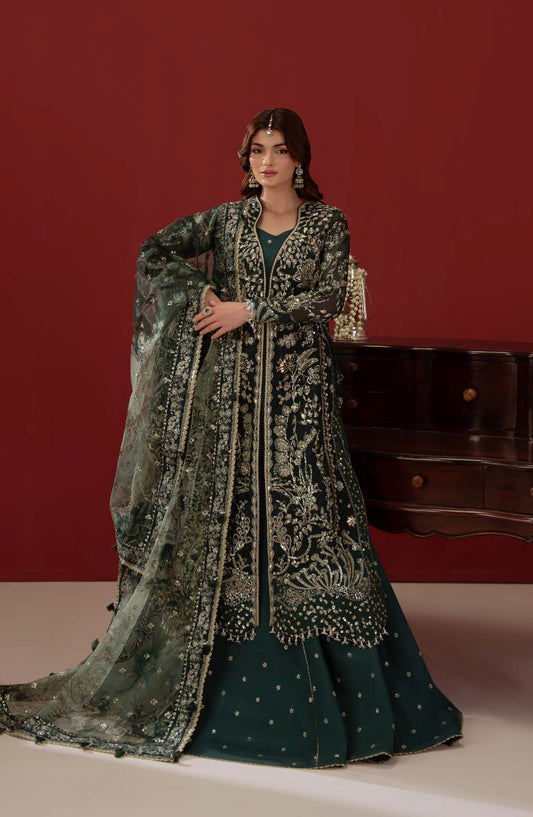
In printed or embroidered suits, the dupatta is often the piece that ties the whole look together visually, using a coordinating but not identical pattern to the shirt. This design coordination requires additional planning and production steps compared to simply cutting more fabric from the same bolt as the shirt, which is part of why the dupatta's cost per meter can sometimes exceed that of the shirt fabric itself, particularly in heavily embellished suits.
There's also a practical value consideration: a well-matched dupatta saves you the time and guesswork of sourcing one separately, and guarantees color and print consistency that can be difficult to replicate when buying pieces individually.
2-Piece vs 3-Piece Price-Per-Meter Comparison
Comparing price-per-meter between 2-piece and 3-piece suits reveals where the actual value lies, rather than just looking at the total price difference. Take a hypothetical 2-piece suit priced at a given amount for roughly 5.75 meters of fabric — dividing price by meterage gives you a baseline cost per meter for that fabric and design tier.
Now compare that to the 3-piece version of the same design. If the 3-piece costs somewhat more but includes an additional 1.5 to 2 meters of dupatta fabric, the price-per-meter often stays close to or even slightly below the 2-piece rate, especially when the dupatta uses simpler embellishment than the shirt. This is the calculation worth doing before assuming a 3-piece suit is automatically the pricier, less economical option.
Where this comparison shifts is with heavily embroidered dupattas. If the dupatta carries dense handwork, hand-embellishment, or intricate border detailing, its per-meter cost climbs well above the shirt fabric's rate, which can push the overall 3-piece price-per-meter higher than a comparable 2-piece. In these cases, you're not just paying for fabric — you're paying for the additional craftsmanship on that specific piece.
When 3-Piece Is Worth It
A 3-piece suit is worth the added cost when you don't already own a dupatta that matches or complements the suit's color palette and print, since sourcing one separately often costs more in total than the price difference between the 2-piece and 3-piece versions of the same design. It's also worth it when the dupatta's design is genuinely coordinated with the shirt, rather than a plain, unremarkable piece that adds cost without adding visual value.
For festive, semi-formal, or occasion wear, the 3-piece option tends to justify its price more consistently, since these are contexts where a complete, coordinated look matters and where a mismatched or missing dupatta is more noticeable. For casual daily wear or office suits where you're likely to skip the dupatta entirely or pair it with something else from your existing wardrobe, the 2-piece option often delivers better value per meter spent, since you're not paying for a piece you won't use as designed.
The simplest way to decide: check whether the suit's dupatta has its own distinct design work or embellishment. If it does, the extra fabric and cost are earning their place. If the dupatta is plain and interchangeable with something you already own, a 2-piece suit likely offers better value for the same design. Explore Al Karim Fabric's 3 piece collection to find the best fits for you.
FAQs
How many meters of fabric are in a standard 3-piece suit?
A standard 3-piece suit contains approximately 7 to 7.5 meters of fabric, split roughly between 3 to 3.5 meters for the shirt, 2.5 meters for the trouser or shalwar, and 2.25 to 2.75 meters for the dupatta.
Is the dupatta always the same fabric as the shirt in a 3-piece suit?
Not always — dupattas often use a lighter or complementary fabric, such as chiffon or net, even when the shirt is made of a heavier material like khaddar or karandi.
Does more fabric always mean better value in a 3-piece suit?
Not necessarily; value depends on whether the extra fabric includes meaningful design work like embroidery or prints, rather than just additional plain yardage.
Why do some 3-piece suits cost significantly more than 2-piece versions of the same design?
The price difference usually comes down to the dupatta's embellishment level — a heavily embroidered or hand-worked dupatta adds cost beyond simple fabric yardage.
Should I buy a 3-piece suit if I already have plenty of dupattas at home?
If you have well-matched dupattas already, a 2-piece suit often makes more financial sense, since you'd be paying for a dupatta you're unlikely to use.