









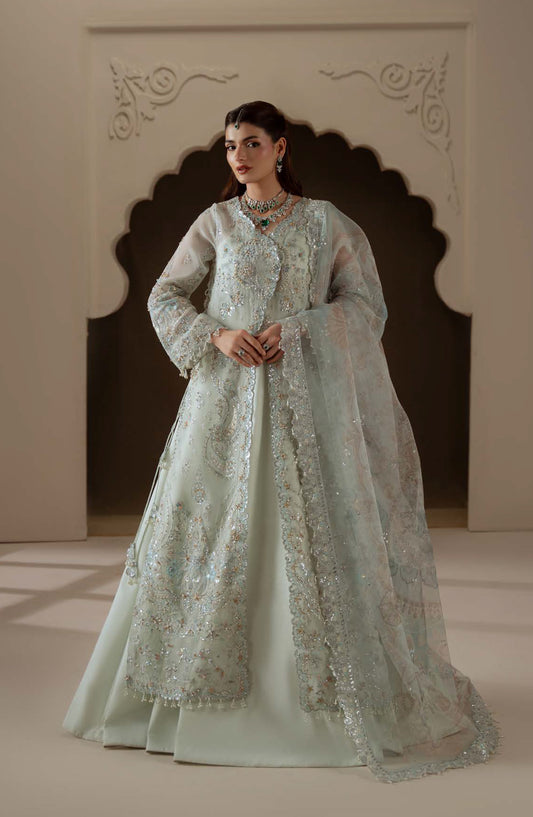

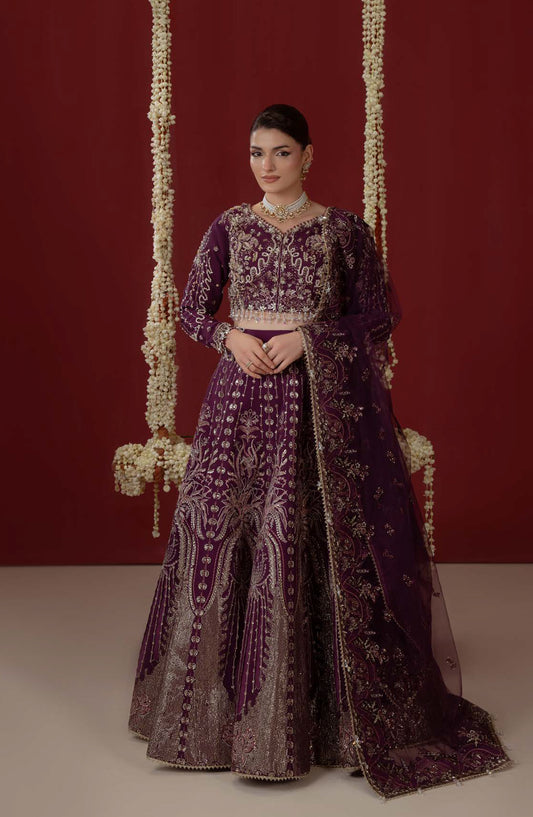

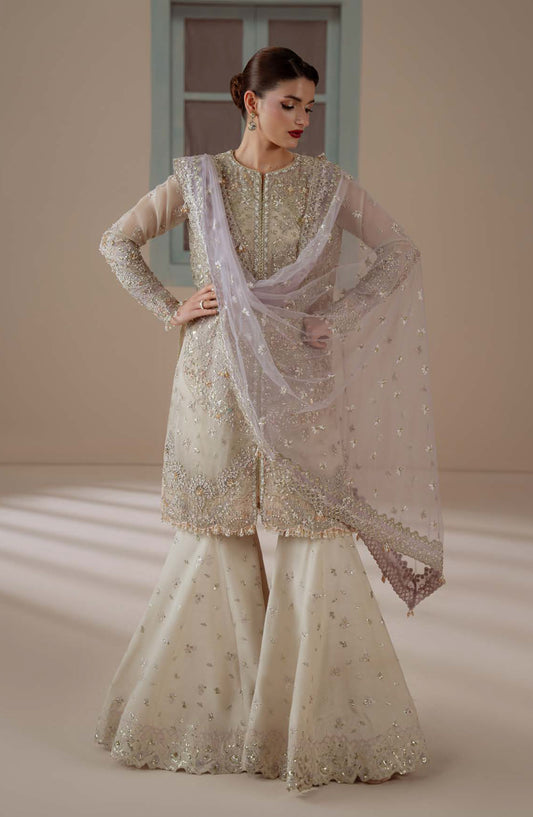

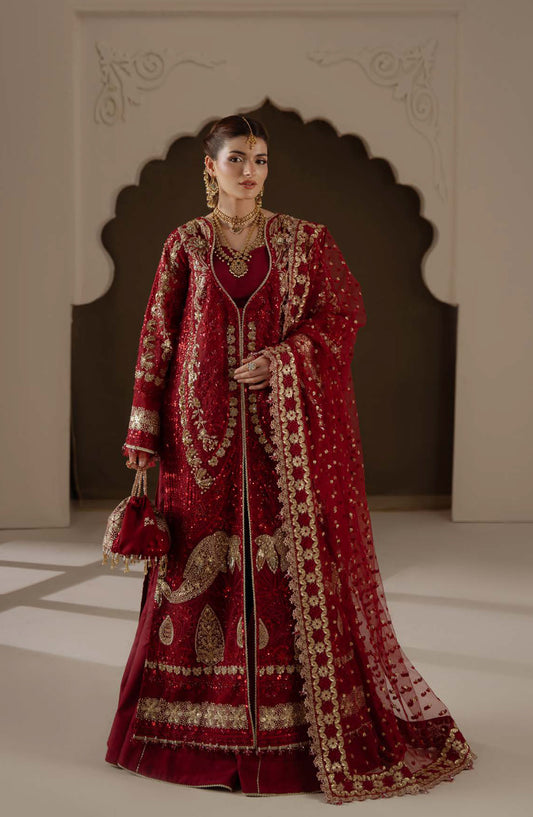





Mehndi Outfit Ideas: How to Stand Out Without Overdoing It
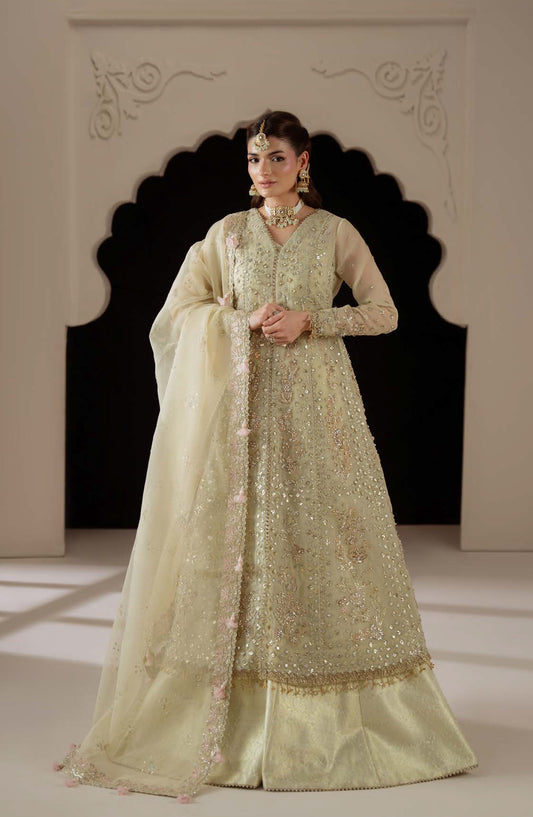
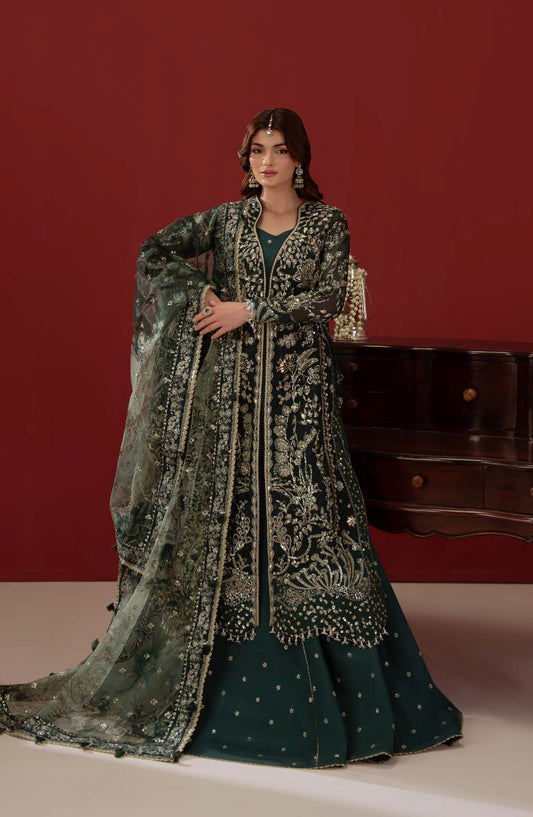
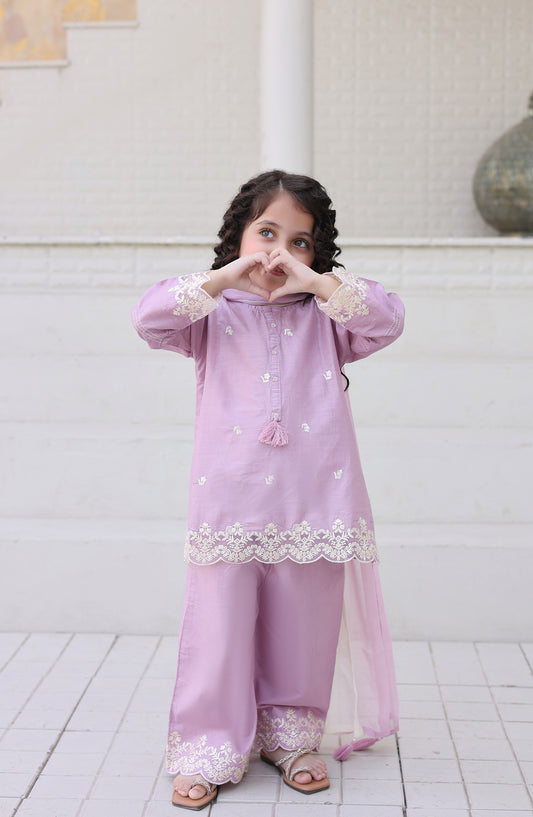
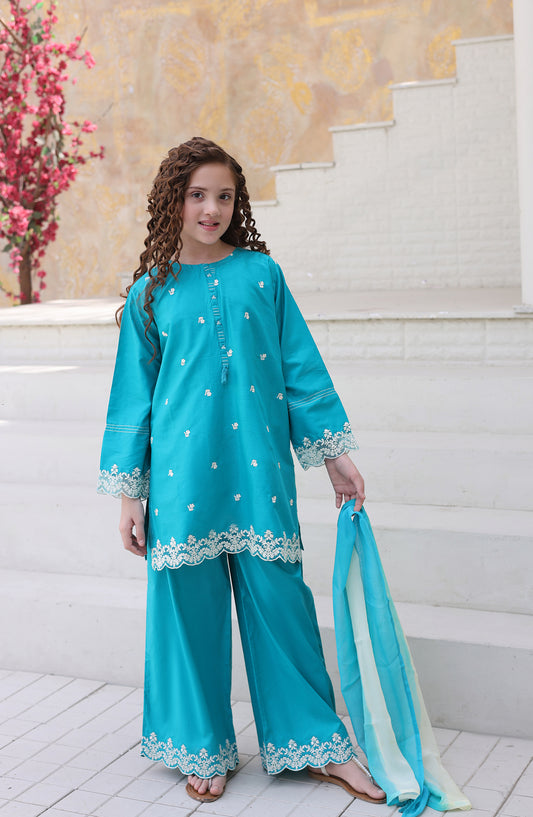
Mehndi is the one wedding event that rewards boldness, but there's a real difference between standing out and stealing focus — the sweet spot is vibrant color and movement-friendly fabric paired with just one or two statement elements, not maximum embellishment everywhere at once. Because Mehndi typically involves dancing, performances, and hours of close socializing, comfort has to factor into the styling equation as much as visual impact. Here's how to strike that balance, from the Mehndi Dresses Collection.
Color Rules for Mehndi: What to Wear, What to Skip
What to Wear: Mehndi is built around color — yellow, green, orange, fuchsia, and multicolor or ombré combinations are all traditional and welcomed choices, echoing the turmeric ceremony and floral traditions the event is rooted in. Bold color-blocking (two or three contrasting bright tones in one outfit) is particularly popular for Mehndi specifically, since it photographs vividly under the event's typically colorful, string-light-lit setting.
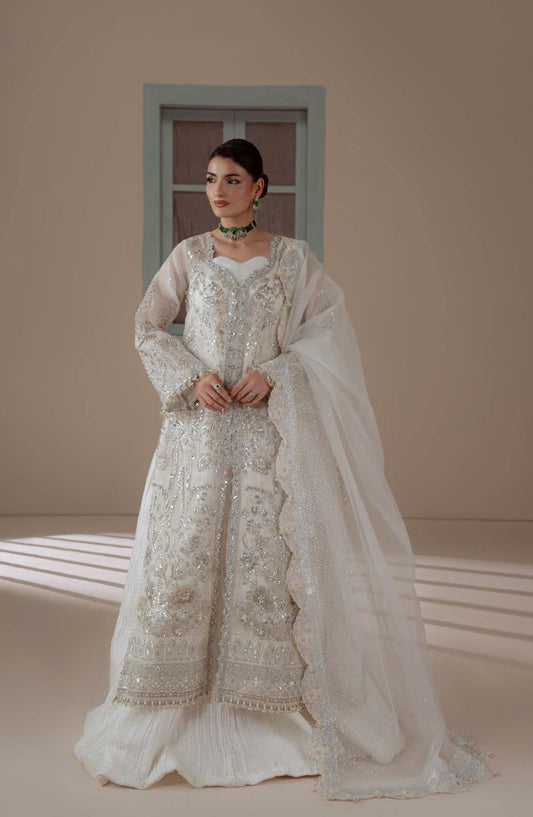
What to Avoid: White and its close variants are traditionally avoided across all Pakistani wedding events due to their association with mourning. Beyond that, guests should be mindful of wearing the exact same color the bride has chosen for her own Mehndi outfit (often yellow or green), since it can create confusion in photos and unintentionally compete with the bride's central role in the event.
A Note on Modern Palettes: While traditional bright colors remain the default, some contemporary Mehndi functions are shifting toward curated color themes set by the hosting family — pastel Mehndis, monochrome-with-gold-accent Mehndis, or specific two-tone palettes. If your invitation specifies a theme, that takes precedence over traditional color defaults.
Fabrics Built to Move (Because You Will Be)
Mehndi is unlike every other wedding event in one key way: you're expected to actually move in your outfit, often for extended dance performances or group choreography, which makes fabric choice a genuinely functional decision, not just an aesthetic one.
Best Choices: Georgette and chiffon are Mehndi favorites precisely because they flow and move with the body rather than restricting it, making them ideal for dance-heavy portions of the event. Lightweight silk with some structure works well for those who want more visual weight without sacrificing ease of movement.
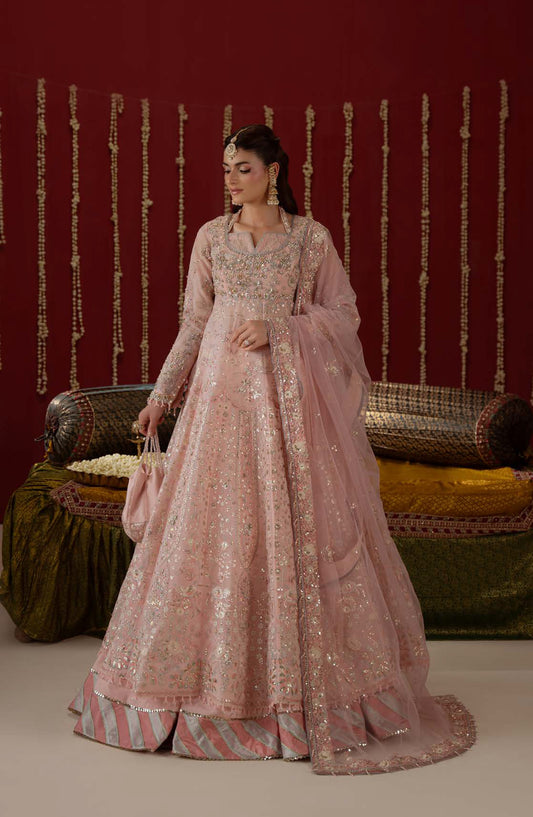
Silhouettes That Support Movement: Flared lehengas, angrakha-style suits with movement built into the cut, and gharara sets all photograph beautifully in motion — this is one of the few wedding events where a fuller, flowing silhouette is a practical advantage rather than just a style preference.
What Slows You Down: Very heavy, structured fabrics like dense velvet or stiff raw silk can restrict movement and cause overheating during an event that's often held outdoors or in a warm, crowded setting — better saved for Barat or Valima, where extended dancing typically isn't part of the agenda.
Statement Pieces vs Understated Elegance: Pick Your Focal Point
The most common Mehndi styling mistake is trying to make every element — outfit, jewelry, and accessories — equally bold, which ends up visually competing rather than cohesive. Choosing one clear focal point tends to photograph and read better.
If Your Outfit Is the Statement: A boldly color-blocked or heavily embellished Mehndi outfit works best with comparatively simpler jewelry — smaller earrings, minimal layering — letting the outfit's color and detail carry the look without competition.
If Your Jewelry Is the Statement: Mehndi is the traditional home of floral jewelry — fresh flower jhumkis, layered floral necklaces, and matching maang tikkas — which pairs beautifully with a simpler, solid-colored or subtly printed outfit, letting the jewelry become the visual centerpiece.
Mirror Work and Tassels: Both are signature Mehndi embellishments that add movement and shine without the density of full embroidery — a good middle ground for anyone who wants visual interest without going into heavy Barat-level embellishment territory.
Mehndi Looks by Role: Bride, Sister, Guest
For the Bride: Traditional yellow or green remains the most common choice, though some brides now opt for a personalized palette (coral, fuchsia, or a custom color scheme matching their event décor) while keeping florals and mirror-work embellishment as signature Mehndi elements. Comfort matters especially here, since brides are often on their feet or seated centrally for extended portions of the event.
For Sisters and Close Family: This group often coordinates in complementary (not identical) shades within the same color family as the bride's chosen palette, allowing for a cohesive but not matchy-matchy group photo aesthetic. Slightly bolder embellishment than general guests is appropriate here, since this group is typically featured in choreographed dance performances and close-up event photography.
For General Guests: A well-chosen bright, festive color in a comfortable, movement-friendly fabric is entirely appropriate — guests don't need family-level coordination or embellishment, but should still lean into Mehndi's colorful energy rather than defaulting to safe, muted tones better suited to Nikkah or daytime events.
FAQs
1. What colors are traditionally worn to a Mehndi?
Bright, festive colors like yellow, green, orange, and fuchsia are traditional Mehndi colors, often incorporating floral or multicolor elements that reflect the event's turmeric and floral roots.
2. What fabric is best for dancing at a Mehndi?
Georgette and chiffon are ideal for Mehndi since they move and flow with the body, making them well-suited to dance performances and extended movement throughout the event.
3. Should guests avoid wearing the same color as the bride at Mehndi?
Yes, it's generally best for guests to avoid wearing the exact same color the bride has chosen, since it can cause confusion in photos and unintentionally compete with the bride's central role.
4. Is heavy embellishment appropriate for a Mehndi outfit?
Moderate embellishment like mirror work and tassels is traditional for Mehndi, but very heavy, dense embroidery is generally better saved for Barat or Valima, where movement isn't as central to the event.
5. What should sisters or close family of the bride wear to Mehndi?
Sisters and close family often wear complementary shades within the bride's chosen color palette with slightly bolder embellishment than general guests, creating a cohesive but not identical group look.