









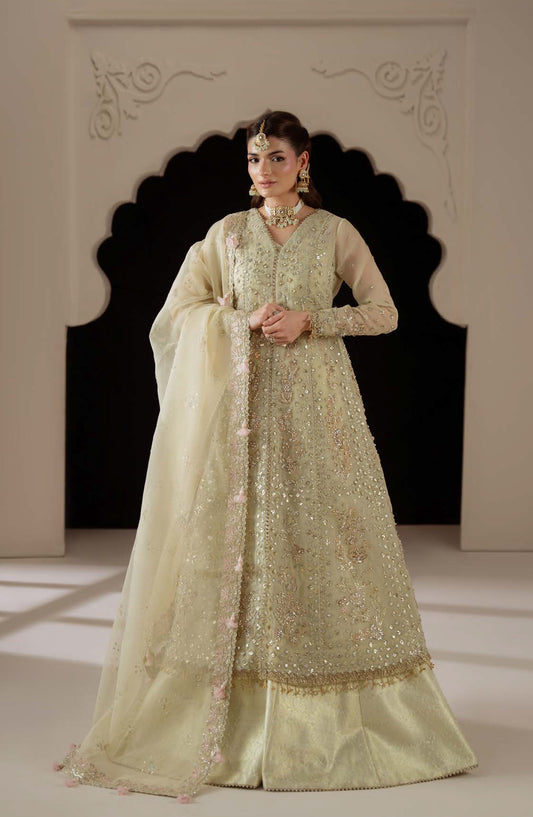

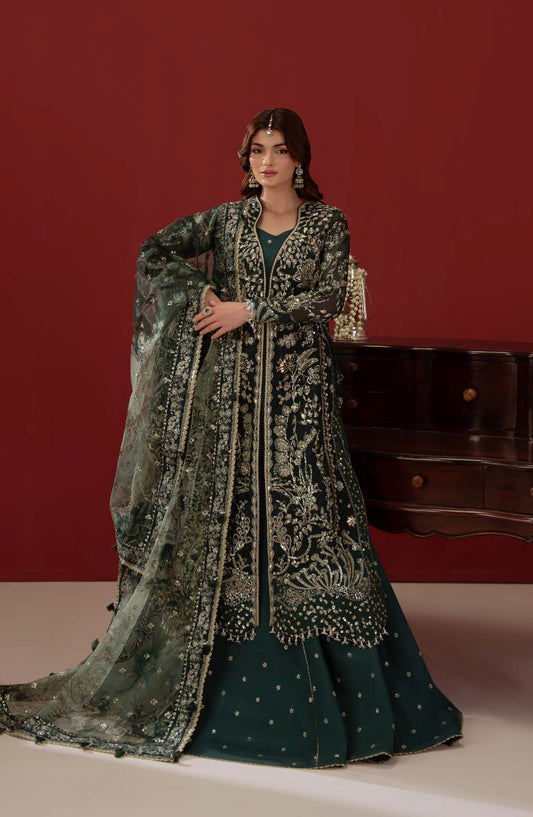

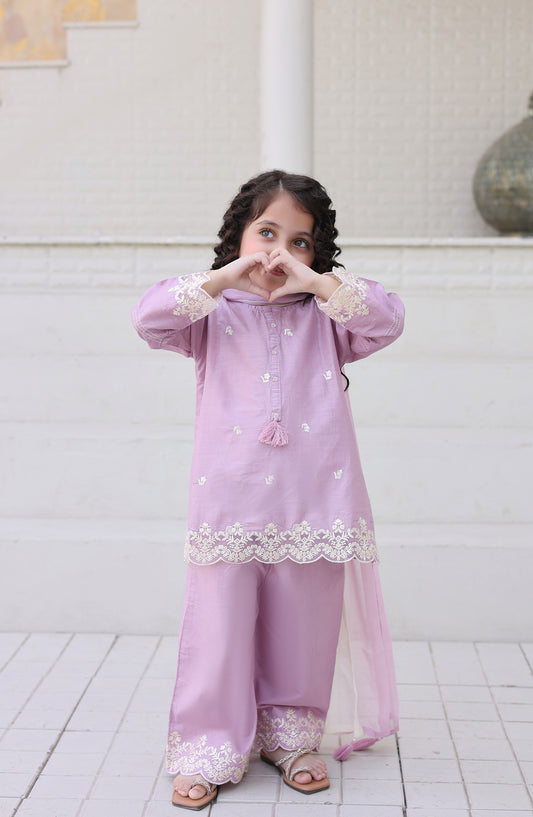

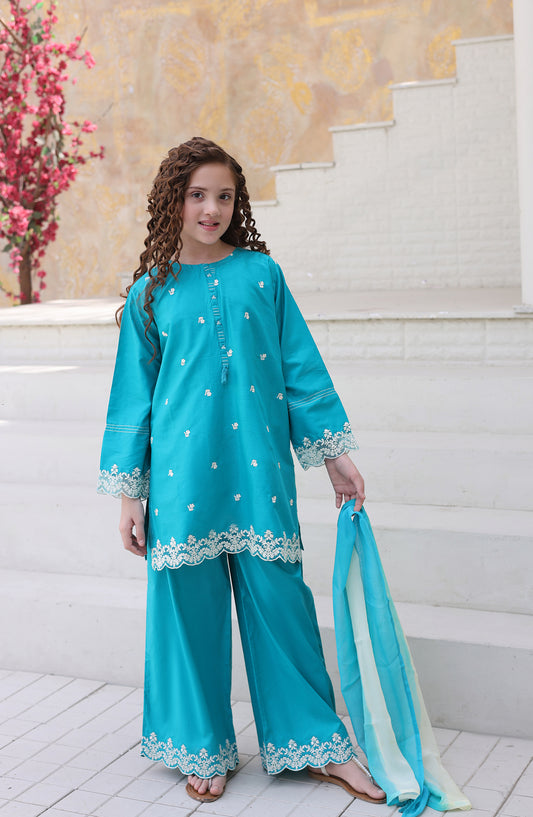

Pret Sizing Guide: How to Order the Right Fit Online (No Trial Room Needed)
To order the right pret size online, take four measurements — bust, waist, hips, and full length — using a soft measuring tape while wearing light, fitted clothing, then compare those numbers against the brand's specific size chart rather than relying on your usual size label from other stores. Sizing varies enough between brands that a "medium" in one collection can fit differently than a "medium" in another, which is why measuring yourself directly is the most reliable way to get a correct fit without a trial room. This pret sizing guide walks through exactly how to do that, plus what to do if the fit still isn't quite right once the outfit arrives.
Ordering online without trying it on first feels like a gamble the first few times, but it becomes far more predictable once you know which measurements actually matter and how to read a size chart properly.
How to Measure Yourself at Home
You'll need a flexible measuring tape, a mirror, and ideally another person to help — self-measuring alone is possible but tends to be less accurate, especially for the bust and hip measurements. Wear fitted, lightweight clothing while measuring rather than loose clothing, since bulky fabric adds inches that will throw off the final numbers.
Bust: Wrap the tape around the fullest part of your bust, keeping it level and parallel to the ground all the way around, without pulling it tight enough to compress the chest. The tape should sit snugly but comfortably.
Waist: Measure around the narrowest part of your torso, usually just above the belly button, keeping the tape level. Stand naturally rather than sucking in, since an artificially tight waist measurement will lead to a bottom that's too snug.
Hips: Measure around the fullest part of your hips and glutes, typically about 7-9 inches below the waistline depending on your body proportions, keeping the tape level around the entire circumference.
Length: For a top or kurta, measure from the shoulder point straight down to where you want the hem to fall. For trousers, measure from the waistline down to the ankle or desired hem length along the outside of the leg.
Record all four numbers before comparing them to any size chart, since having your actual measurements on hand lets you cross-check against multiple brands quickly rather than re-measuring every time you shop.
Reading Size Charts Correctly
A size chart maps ranges of body measurements to labeled sizes, but the way to read it correctly is to match your actual numbers to the chart's numbers — not to assume your usual size label carries over automatically. If your bust measures 36 inches and a brand's chart lists 36 inches under "Medium," that's your size in that specific chart, regardless of what size you typically wear elsewhere.
When your measurements fall between two sizes on a chart, the general rule is to size up rather than down, particularly for structured or fitted pieces where a garment that's too tight is far harder to wear comfortably than one that's slightly loose. For pieces designed with a relaxed or oversized fit, sizing to your actual measurement or even sizing down slightly can work better, since the garment already has built-in ease.
Pay close attention to which measurement the chart weights most heavily for a given garment type. For fitted tops and shirts, bust measurement usually determines the size call. For trousers and bottoms, waist and hip measurements matter more, and if those two measurements point to different sizes on the chart, it's generally safer to size for the hip measurement and have the waist taken in slightly by a tailor if needed, since letting out a too-tight hip is far more difficult than adjusting a waistband.
Also check whether the chart lists finished garment measurements or body measurements — some brands list the actual measurements of the garment itself, which typically run slightly larger than body measurements to allow for movement and ease, while others list body measurement ranges directly. Reading the chart's fine print on this distinction prevents ordering a size too small based on a misunderstanding of what the numbers represent.
Brand-to-Brand Sizing Differences to Watch For
Sizing standards are not universal across brands, even within the same country or the same general price category. A brand that cuts generously might label a 38-inch bust as "Small," while another brand with a more fitted cut might label the same measurement as "Medium" — this is why relying on a size label alone, without checking the actual chart, is one of the most common causes of pret ordering mistakes.
Fabric type also affects how a labeled size fits in practice. A size Medium in a stretchy fabric like certain knits or blended cottons will typically fit more forgivingly than the same labeled size in a rigid, non-stretch fabric like organza or raw silk, where there's little to no give if the measurement is slightly off.
Cut and silhouette matter just as much as the numbers on the chart. A straight-cut kurta and a fitted, princess-line kurta in the same labeled size can fit noticeably differently through the waist and hips, since the pattern itself distributes ease differently depending on the design. When trying a new brand or a new silhouette for the first time, it's worth reading product-specific notes if available — many brands flag when a particular style "runs small" or "fits true to size" separately from their general size chart.
What to Do If It Doesn't Fit
If a garment arrives too tight, check first whether the issue is isolated to one area — a snug waist with an otherwise good fit, for example, is a straightforward and inexpensive fix for a local tailor, since letting out a seam allowance is far easier than resizing an entire garment. Most pret pieces include a small seam allowance specifically to accommodate minor adjustments like this.
If a garment arrives too loose, taking it in is usually more straightforward than the too-tight scenario, since there's more fabric to work with. A tailor can adjust the side seams, the waistband, or the shoulder fit depending on where the excess room is, though this works best when the overall size difference is minor rather than multiple sizes off.
If the fit issue is significant — more than one size off in either direction — check the brand's return or exchange policy before attempting alterations, since exchanging for a correctly sized piece is generally more reliable than trying to alter a garment that's substantially off from your measurements. Many pret brands offer exchanges specifically for sizing issues, provided the item is unworn and returned within the specified window.
Going forward, keep a personal measurement record on hand and refer to it every time you shop a new brand, rather than assuming your size from a previous purchase will carry over — this single habit prevents the majority of repeat sizing mistakes when ordering pret online.
FAQs
Q1: What measurements do I need to order pret sizing correctly?
You need four core measurements — bust, waist, hips, and length — taken with a soft measuring tape while wearing fitted clothing, then compared directly against the specific brand's size chart rather than a general size label.
Q2: Should I size up or down if I'm between two sizes?
For fitted or structured garments, sizing up is generally safer since a slightly loose fit is easier to adjust than one that's too tight; for relaxed or oversized designs, your true measurement or a size down can work well.
Q3: Why do I wear different sizes across different pret brands?
Sizing charts vary between brands based on their specific pattern grading and cut, so the same body measurements can correspond to different labeled sizes depending on the brand, which is why checking each brand's individual chart matters.
Q4: Can a tailor fix a pret outfit that doesn't fit perfectly?
In most cases yes, especially for minor sizing issues — taking in a loose waist or letting out a snug seam are common, inexpensive adjustments, though significant size differences are usually better resolved through an exchange.
Q5: Does fabric type affect how a size fits?
Yes, stretchy or blended fabrics tend to fit more forgivingly at a given labeled size, while rigid fabrics with little to no stretch require a more precise measurement match since there's less natural give in the garment.