













Unstitched Fabric Buying Checklist: 7 Things to Check Before You Order
Before ordering unstitched fabric, check the meterage breakdown, fabric type and weight, color accuracy against photos, print or embroidery placement, stitching allowances, seller return policy, and seasonal suitability — missing any one of these is the most common reason unstitched orders disappoint once they arrive. Buying unstitched fabric online carries more guesswork than buying stitched, ready-to-wear pieces, since you're evaluating a flat piece of cloth and imagining how it will look once tailored. This checklist walks through exactly what to verify before you place an order, so what arrives at your door matches what you expected.
The 7-Point Checklist
Before clicking "order," run through these seven checks: one, confirm the total meterage and exactly which pieces are included (shirt, trouser/shalwar, dupatta, or shirt-only); two, verify the fabric type matches your seasonal needs, whether that's lightweight lawn for summer or heavier khaddar for winter; three, check listed fabric weight or GSM if available, since this affects both comfort and how well the fabric will hold a particular cut; four, compare product photos against customer review photos to catch any color inconsistency between studio lighting and real-world appearance; five, check whether embroidery, prints, or embellishment placement is shown clearly, especially for asymmetric or one-sided designs; six, factor in stitching allowance, meaning whether the piece includes enough extra fabric for your preferred fit and any tailoring adjustments; and seven, review the seller's return or exchange policy specifically for unstitched items, since many sellers have different rules for cut or altered fabric versus stitched pieces.
Each of these gets its own deeper look below, since the details matter more than the checklist headline alone.
Checking Meterage and Included Pieces
Unstitched listings can be misleading if you don't read the fine print on exactly what's included. Some listings show a 3-piece suit image but only include the shirt and trouser fabric, with the dupatta sold separately or not included at all. Always look for an explicit breakdown — shirt meterage, trouser or shalwar meterage, and dupatta meterage listed separately — rather than assuming a total meterage figure automatically means three complete pieces.
Pay attention to whether the listing specifies "shirt only," "2-piece," or "3-piece" directly in the title or description, and cross-check this against the meterage total. A listing showing only 5 to 5.5 meters total is very likely a 2-piece suit without a dupatta, while anything above 7 meters typically indicates a complete 3-piece set. If a listing is ambiguous or the meterage seems unusually low for what's described, reaching out to the seller before ordering saves you from an unpleasant surprise on arrival.
Checking Fabric Type and Weight
Fabric type determines almost everything about how a suit will perform once stitched, so confirming this before ordering matters more than color or print in many cases. If a listing simply says "cotton" without specifying whether it's lawn, karandi, or khaddar, that vagueness is itself a signal to ask for clarification, since these fabrics behave very differently in terms of weight, warmth, and drape.
Where available, checking listed fabric weight or thread count gives you a more objective sense of quality than descriptive terms alone, since words like "premium" or "luxury" are used inconsistently across sellers. If weight isn't listed, look at close-up photos of the fabric texture — a tightly woven, fine texture typically indicates lawn or cambric suited for summer, while a visibly textured or slightly rough weave points toward khaddar or a heavier winter-appropriate fabric.
It's also worth considering how the fabric type will interact with your intended cut and tailoring. Lightweight fabrics like lawn and chiffon drape well for flowing, traditional cuts but may need lining for structured or fitted styles, while heavier fabrics like khaddar and karandi hold structured cuts well without needing additional support.
Checking Color Accuracy and Print Quality
Color discrepancy between product photos and the actual received fabric is one of the most common complaints with unstitched fabric purchases, largely because studio lighting and photo editing can shift how saturated or bright a color appears compared to reality. Before ordering, look specifically for customer-uploaded review photos rather than relying solely on the seller's professional product images, since customer photos are typically taken in natural or indoor lighting that better reflects true color.
Print quality is equally important to verify, particularly for digital and block prints where sharpness and color bleed vary significantly between sellers. Zoom into product photos where possible to check whether print edges look crisp and well-defined, and look for any customer feedback specifically mentioning color fastness or fading after washing, since this is a common quality issue that doesn't show up in initial photos.
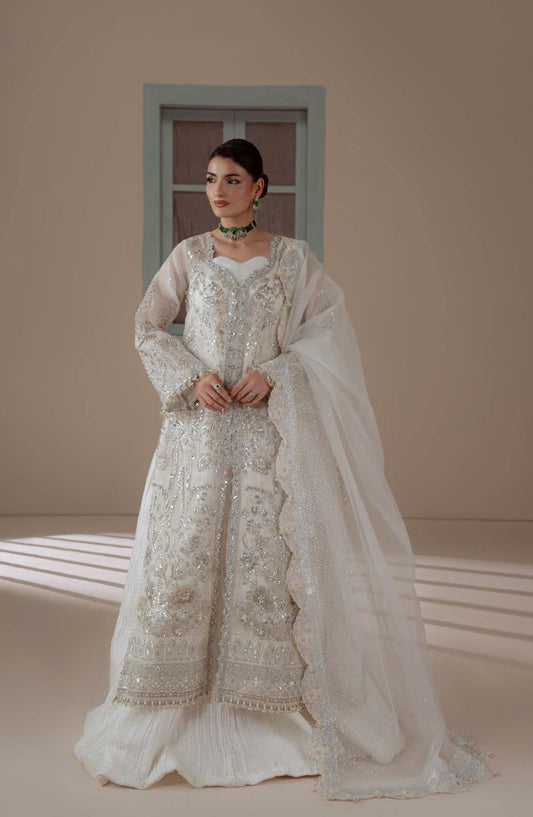
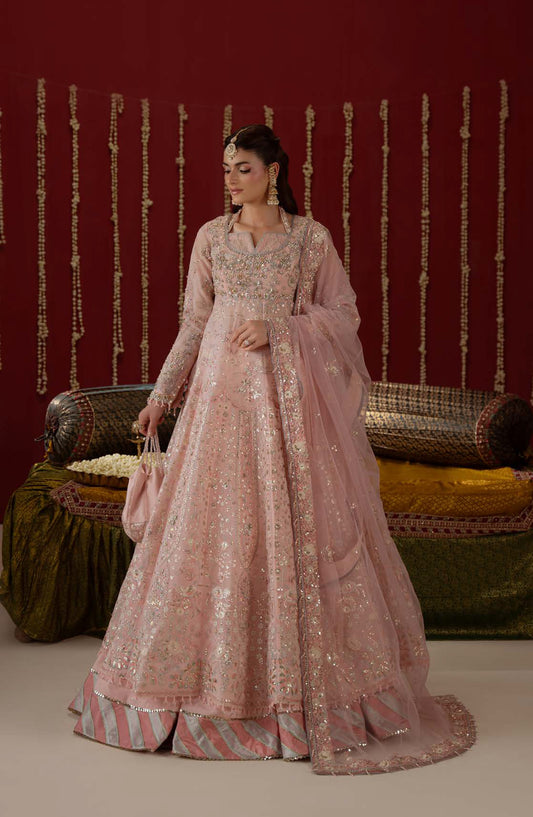
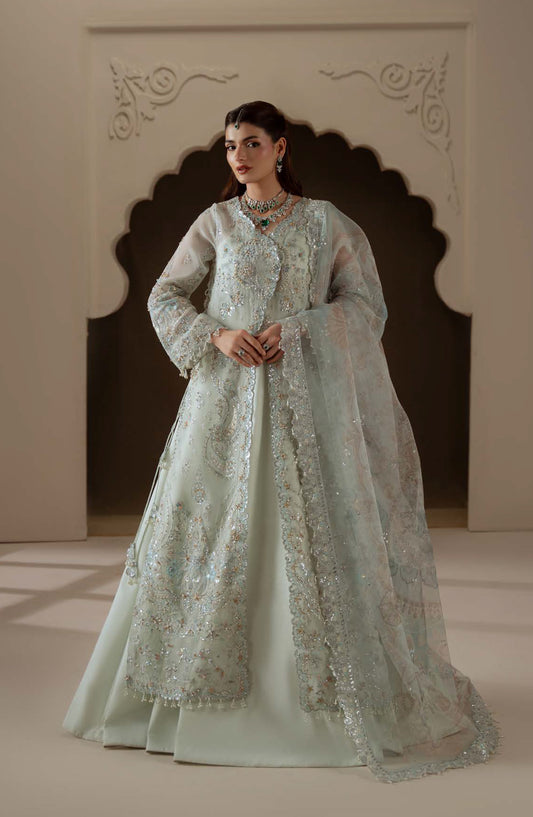
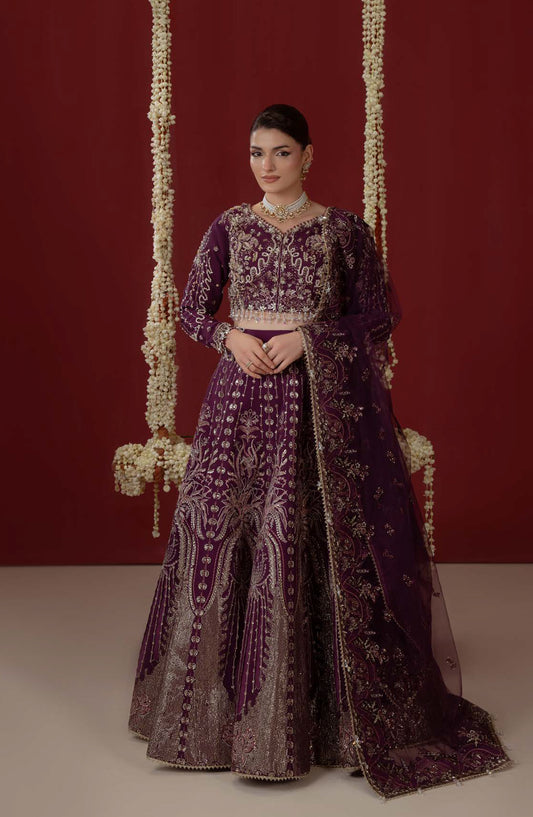
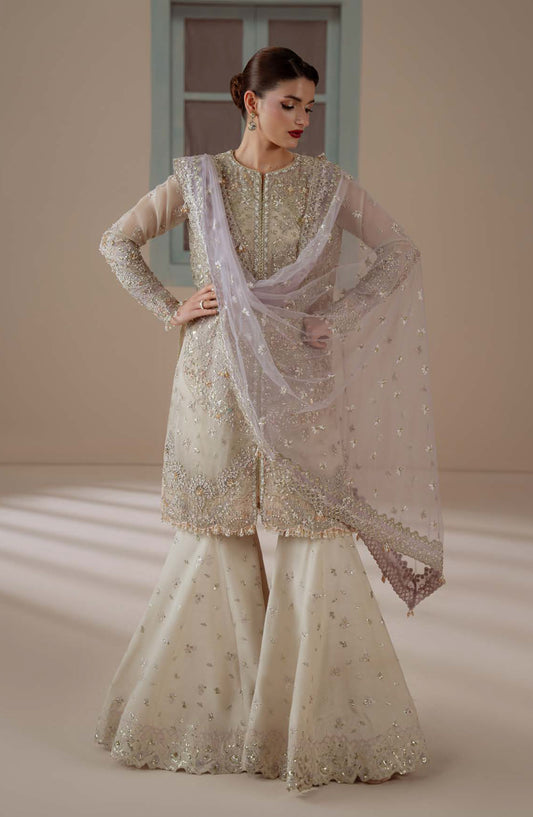
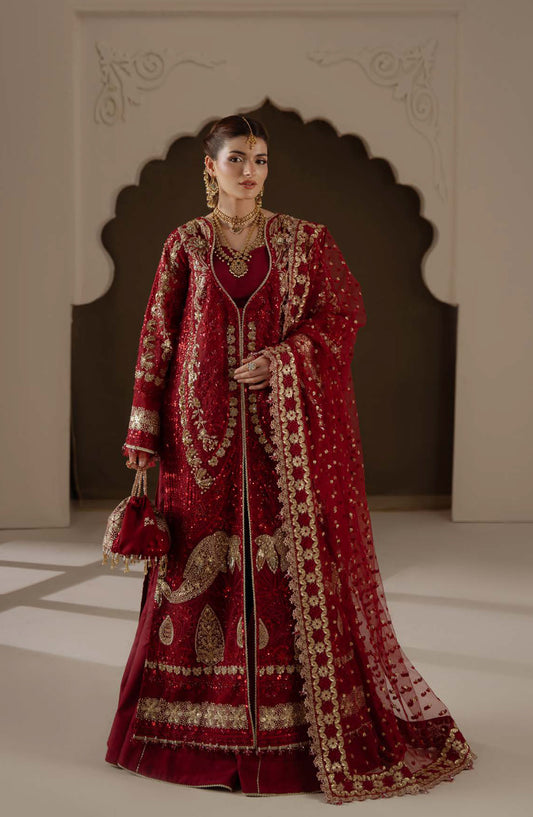
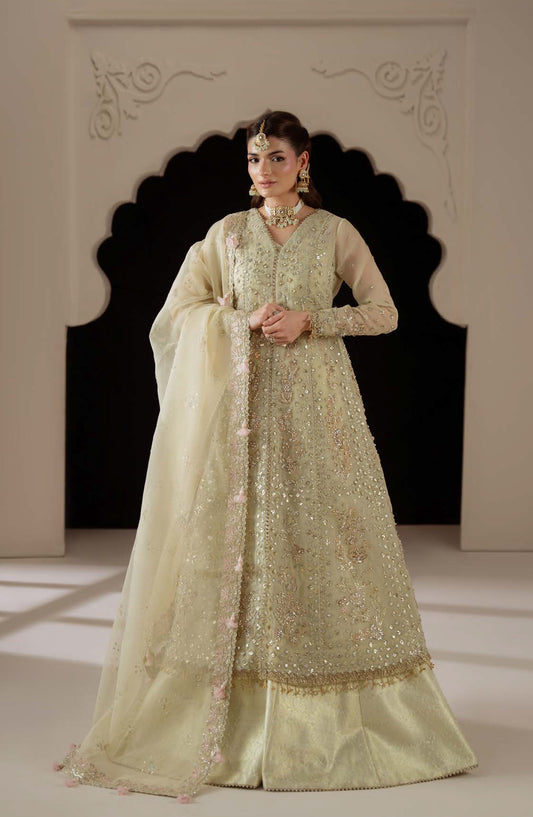
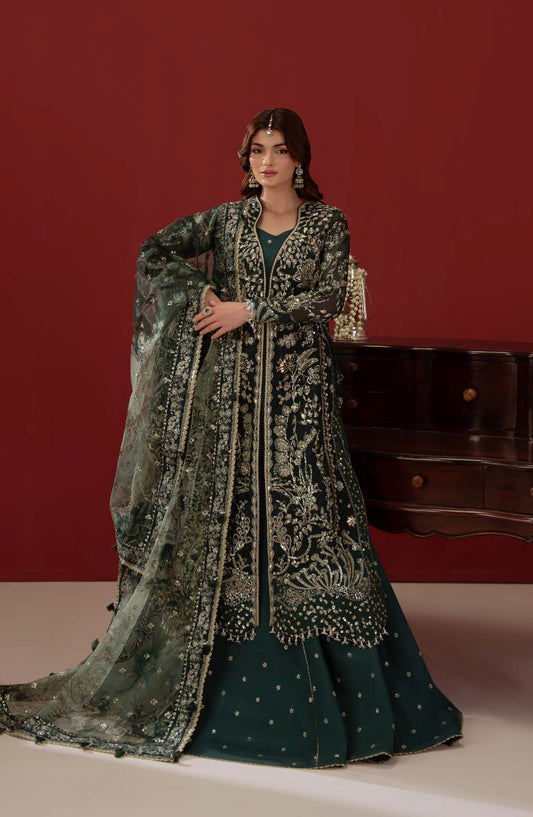
For suits with embroidery or embellishment, check whether the listing shows the full piece or only a cropped, close-up section, since embroidery placement — centered versus one-sided, border-only versus all-over — significantly affects how the final stitched garment will look and drape. Explore Al Karim's Unstitched Collection and find the best picks of the season.
FAQs
What's the biggest mistake people make when ordering unstitched fabric online?
Assuming a listed meterage automatically means a complete 3-piece suit, when many listings only include the shirt and trouser fabric without a dupatta.
How can I check if the color will match the product photos?
Look for customer-uploaded review photos in addition to the seller's product images, since customer photos taken in natural lighting more accurately reflect true fabric color.
Does fabric weight matter if I'm having the suit custom-stitched?
Yes, fabric weight affects how well a cut holds its shape, so confirming weight or texture beforehand helps your tailor recommend the right stitching style for that specific fabric.
Should I always add extra fabric for stitching allowance?
It depends on your usual fit preference and the tailor's requirements, but checking whether the listed meterage already accounts for standard stitching allowance avoids fabric shortages during tailoring.
What return policy details should I check before ordering unstitched fabric?
Confirm whether returns are accepted on cut or altered fabric, since many sellers restrict returns once unstitched fabric has been cut, even if it hasn't been stitched into a garment.