




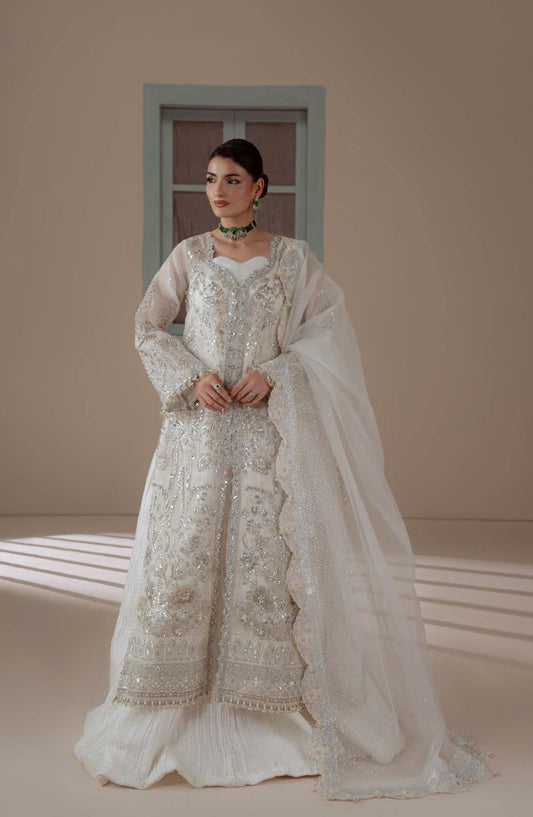

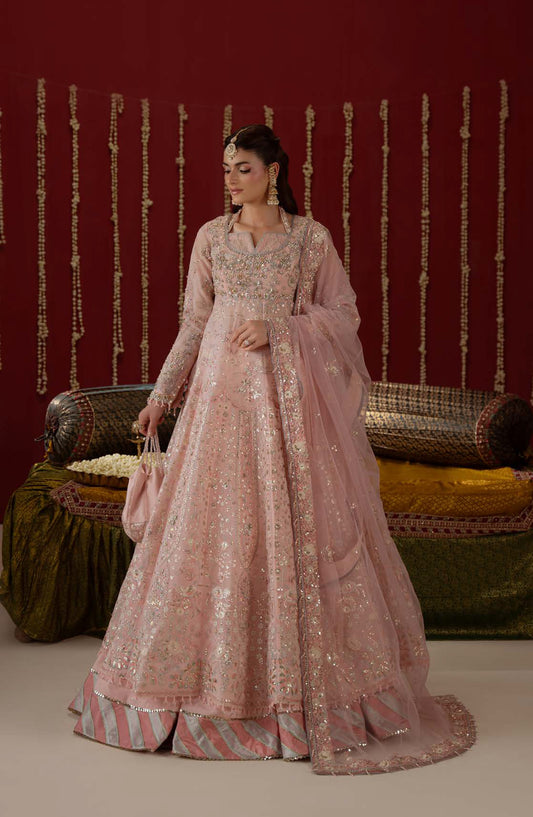

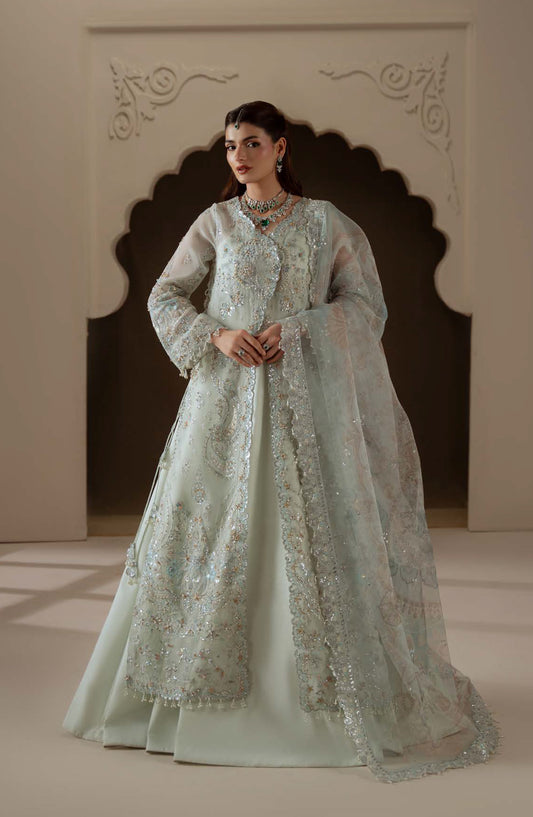

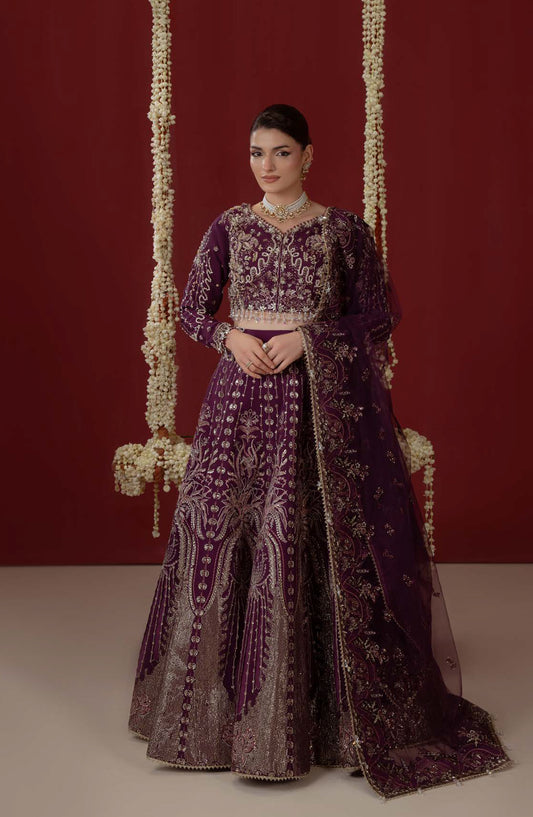

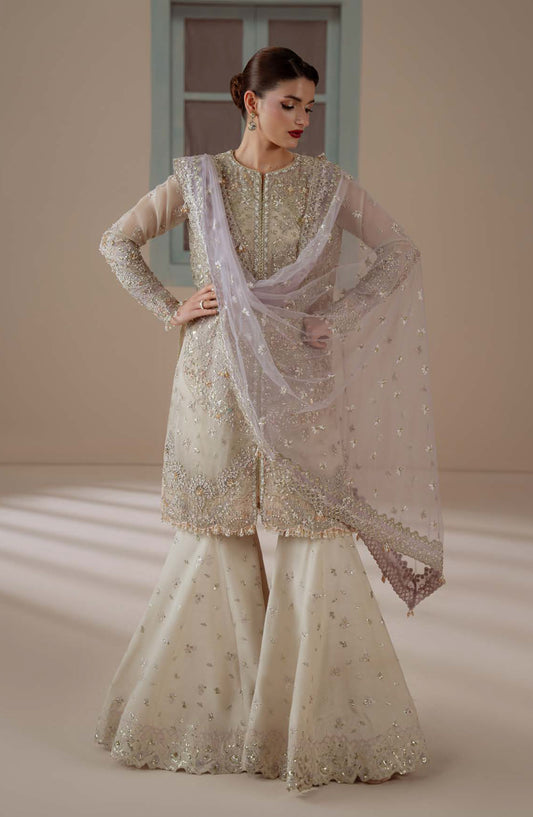

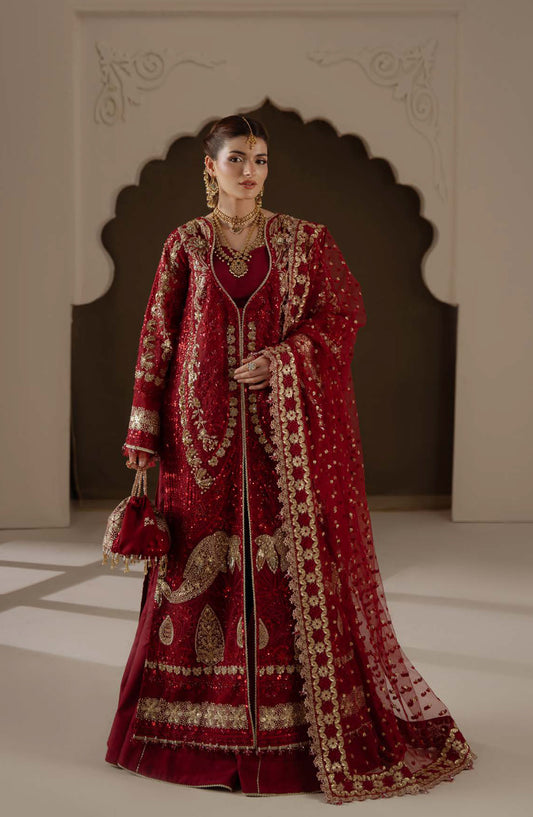

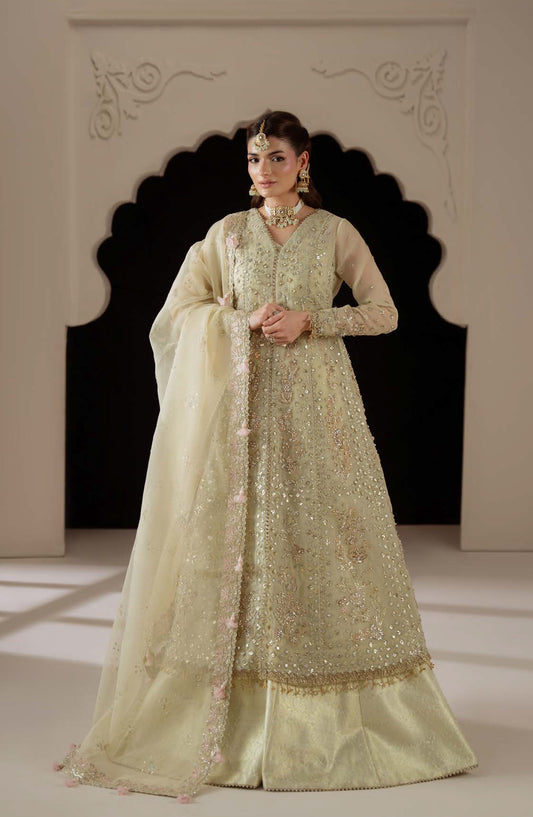

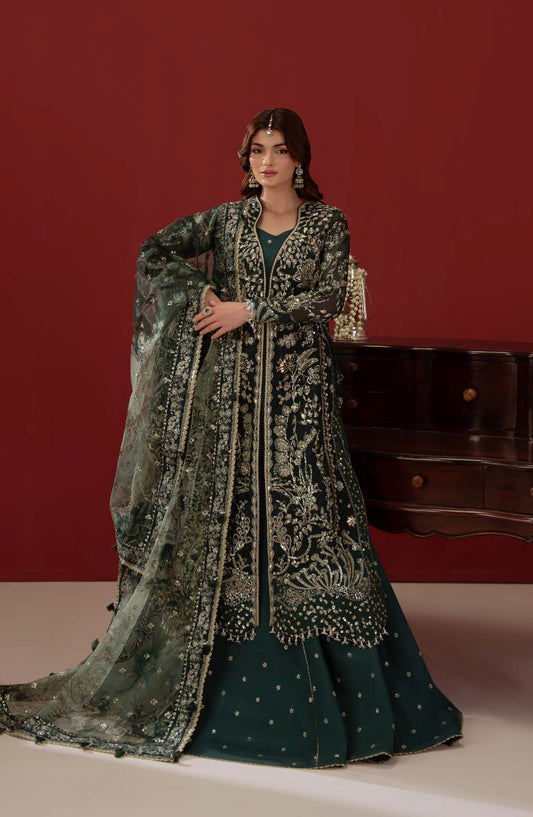



Al Karim Fabric Size Chart & Fitting Guide for Women's Suits
Al Karim Fabric's women's suits follow a standard S–XXL size range based on bust, waist, and hip measurements in inches, detailed in the chart below. If you're unsure which size to pick, the safest approach is to measure yourself at home first and compare against these numbers rather than relying on your usual size from another brand — sizing isn't standardized across labels, and this chart reflects our actual product measurements.
Getting the right size on an unstitched or semi-stitched suit isn't guesswork if you know what to measure and how to read our product notes correctly — both covered in detail below.
Standard Size Chart (with Measurements)
Here's the standard size breakdown used across our women's suit range, in inches (cm in brackets):
|
Size |
Bust (in) |
Waist (in) |
Hip (in) |
Shirt Length (in) |
Shoulder (in) |
|
XS |
32–33 (81–84) |
26–27 (66–69) |
34–35 (86–89) |
38–40 (97–102) |
13.5 (34) |
|
S |
34–35 (86–89) |
28–29 (71–74) |
36–37 (91–94) |
38–40 (97–102) |
14 (36) |
|
M |
36–37 (91–94) |
30–31 (76–79) |
38–39 (97–99) |
40–42 (102–107) |
14.5 (37) |
|
L |
38–39 (97–99) |
32–33 (81–84) |
40–41 (102–104) |
40–42 (102–107) |
15 (38) |
|
XL |
40–41 (102–104) |
34–35 (86–89) |
42–43 (107–109) |
42–44 (107–112) |
15.5 (39) |
|
XXL |
42–44 (107–112) |
36–38 (91–97) |
44–46 (112–117) |
42–44 (107–112) |
16 (41) |
A few notes on reading this chart:
-
Measurements are body measurements, not garment measurements — the finished stitched suit will have some ease built in for comfortable movement.
-
Shirt length is measured from the shoulder seam to the hem, and varies slightly by design (A-line, straight-cut, or shirt-style hemlines each add or reduce a little).
-
Shalwar and trouser sizing generally follows the waist measurement column, with standard ease added for comfort at the waistband.
How to Measure Yourself at Home
Accurate self-measuring takes about five minutes and just a soft measuring tape — no special equipment needed.
-
Bust. Wrap the tape around the fullest part of your bust, keeping it parallel to the ground and snug but not tight. Take the measurement while breathing normally, not after inhaling.
-
Waist. Measure around the narrowest part of your natural waistline, usually just above the belly button. Avoid pulling the tape too tight — it should sit comfortably against the skin.
-
Hip. Wrap the tape around the fullest part of your hips, typically about 7–9 inches below your natural waist. Keep the tape level all the way around, not angled.
-
Shoulder width. Measure from the edge of one shoulder to the edge of the other, across the back, for the closest shoulder-seam fit.
-
Shirt length (optional, for custom notes). Measure from the top of your shoulder down to wherever you'd like the shirt hem to fall, useful if you plan to request length adjustments.
Wearing well-fitted (not compression) undergarments while measuring gives the most accurate result — measuring over bulky clothing typically adds 1–2 inches that throw off the final size selection.
Reading Product Page Size Notes Correctly
Every product listing carries specific notes in addition to the general size chart, and these details matter more than people expect:
-
"Unstitched" vs "Stitched" vs "Semi-stitched." Unstitched fabric has no fixed size — you can have it tailored to your exact measurements. Semi-stitched pieces usually have the neckline and shoulders finished but leave hemming and side seams open for customization. Fully stitched pieces follow the standard chart above exactly.
-
Fabric width and piece length. For unstitched suits, the product page lists total fabric meterage for the shirt, trouser/shalwar, and dupatta separately — check this against what your tailor typically needs for your height and preferred style, especially if you're taller than average or want extra length.
-
"Relaxed fit" or "true to size" notes. Some listings mention whether a design runs generously or closer to the body — this note should be weighed alongside the numeric chart, not instead of it.
-
Print placement notes. For printed or embroidered pieces, notes on motif placement matter if you're planning custom tailoring, since cutting outside the marked panel can affect how the final design sits on the finished garment.
Reading these details before ordering — not just glancing at the size chart — is what prevents most fit-related returns and exchanges. Browse through Al Karim's Ready to Wear Collection and find out your size and style.
What to Do If You're Between Sizes
Falling between two sizes on the chart is common, and the right call depends on the garment type:
-
For stitched, ready-to-wear pieces: Size up rather than down. A slightly loose fit through the bust or waist is easier to adjust with a tailor (taking in side seams) than a too-tight fit, which usually can't be let out if there's no extra seam allowance.
-
For unstitched or semi-stitched pieces: This isn't a concern at all — since the fabric is cut and stitched to your exact measurements by your tailor, the size chart mainly helps you estimate fabric quantity rather than lock you into a fixed size.
-
If your bust and hip measurements fall into two different chart sizes: Choose based on the larger of the two measurements for stitched pieces, since it's generally easier to take in a waist than to adjust a snug bust or hip.
-
If you're unsure even after measuring: Reach out through our About page or customer support channel with your three core measurements (bust, waist, hip) — our team can help confirm the closest match before you order.
FAQs
Does Al Karim Fabric's size chart match international (US/UK) sizing?
No — our chart is based on actual body measurements in inches, which don't map directly to US or UK numeric sizing. Always compare your own measurements against the inch values in the chart rather than relying on a US/UK size conversion.
Do unstitched suits need to be measured at all before ordering?
Not for sizing purposes, since your tailor will use your personal measurements. However, checking the total fabric length listed on the product page is still worth doing, especially if you're taller than average or want a longer shirt or shalwar.
What if the stitched suit I ordered doesn't fit as expected?
Most fit issues can be resolved with minor tailoring adjustments like taking in side seams or hemming length. For anything beyond minor adjustments, check the return or exchange policy details on our site.
Does fabric type affect how a suit fits compared to the size chart?
Slightly — fabrics with more stretch or drape, like certain cottons or blends, can feel more forgiving than stiffer fabrics like raw silk or heavier khaddar, even at the same listed size.
How often is the size chart updated?
The chart reflects our current standard measurements across collections; if a specific design runs differently, that will be noted directly on the individual product page.