









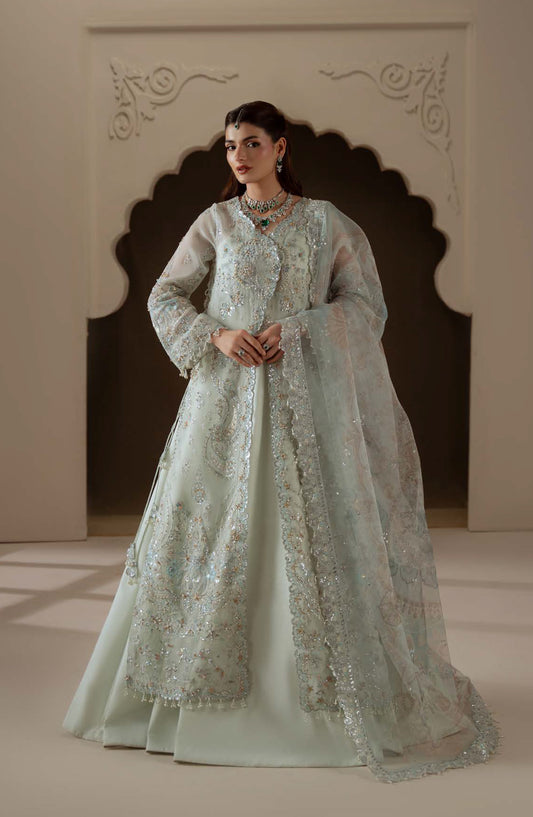

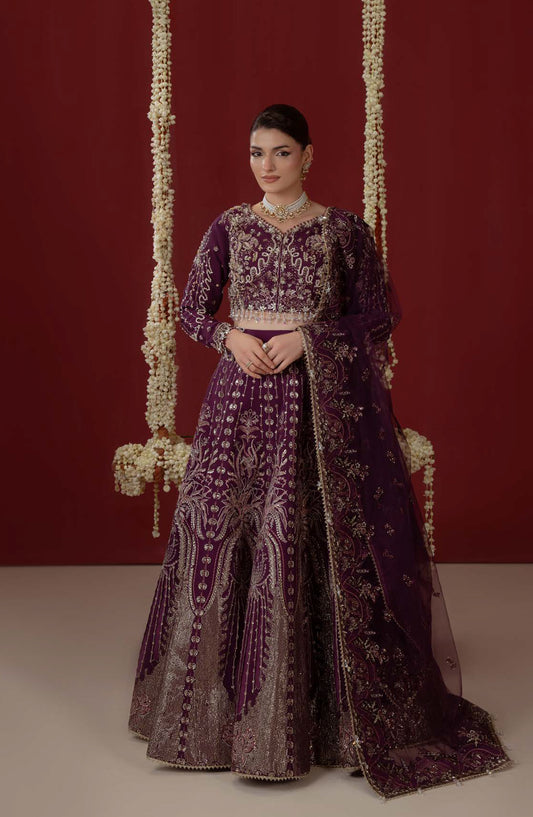

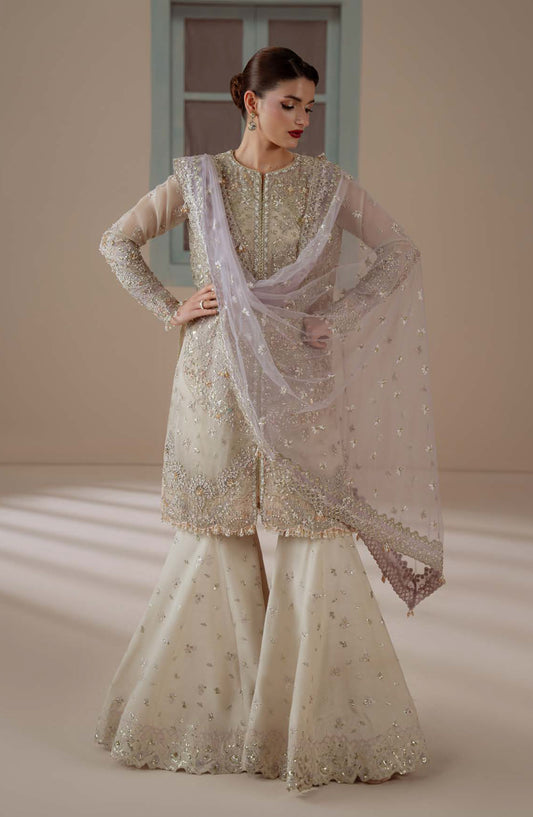

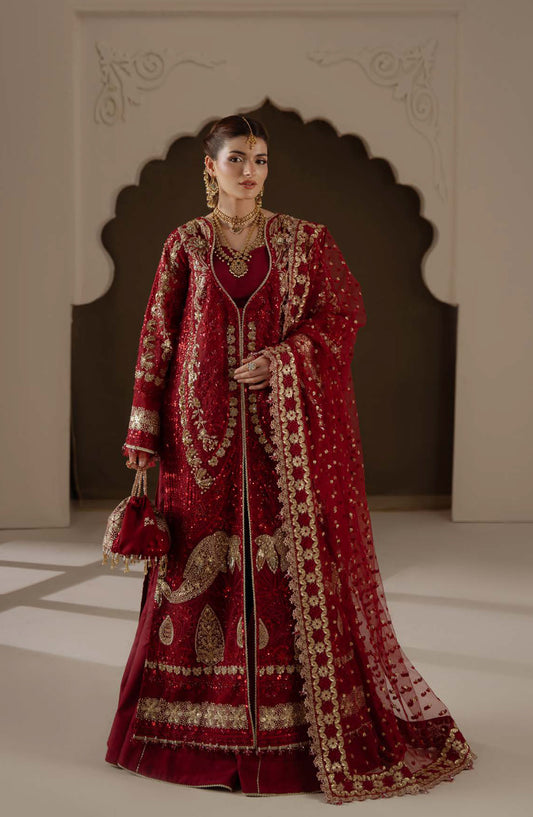





3 Piece Suit Styling Guide: Shirt, Trouser/Shalwar & Dupatta Combos
A 3 piece suit is styled by treating each piece as its own decision, not a fixed set: the shirt sets the tone, the trouser or shalwar carries the silhouette, and the dupatta ties the two together in color, fabric, or contrast. Get those three relationships right and almost any combination works — get one wrong, and even expensive fabric looks flat.
Most styling confusion doesn't come from a lack of options — it comes from treating a 3-piece as one outfit instead of three separate style choices that need to agree with each other. Once you understand what each piece is doing, mixing and matching stops feeling risky.
The Ground Rules Every 3-Piece Should Follow
Before mixing prints or experimenting with drapes, a few non-negotiables keep any 3 piece suit looking pulled-together rather than accidental:
-
Anchor with one dominant piece. Let either the shirt or the dupatta carry the strongest color or print — never both at full volume, or the eye won't know where to land.
-
Match fabric weight, not just fabric type. A crisp lawn shirt paired with a heavier cambric trouser can look mismatched even if the colors coordinate perfectly. Keep the weight consistent across all three pieces for a set that drapes as one unit.
-
Respect the undertone. Warm ivory doesn't sit well next to a cool white; a rust shirt clashes with a blue-based maroon. When in doubt, pick pieces with the same undertone family even if the shades differ.
-
Let the trouser or shalwar do less talking. Bottoms are meant to support the shirt, not compete with it — solids or subtle textures almost always work better than bold prints on the trouser.
These rules aren't restrictive — they're what makes bold experimentation with a 3 piece suit actually pay off instead of backfiring.
When Prints Meet Solids: Getting the Balance Right
Mixing a printed piece with a solid one is where most 3-piece outfits either shine or fall apart. The trick is scale and placement, not matching color families exactly.
Printed shirt, solid trouser + solid dupatta: This is the safest and most versatile combo. Pull one color out of the shirt's print and use it for both the trouser and dupatta — this creates a cohesive look without needing an exact color match.
Solid shirt, printed dupatta: A plain shirt gives the printed dupatta room to be the statement piece. This works especially well with digital prints or block prints where the pattern deserves visual space rather than competition from the shirt.
Print-on-print (advanced): Two prints can work if they share a common color and differ in scale — a small ditsy print shirt with a large-scale dupatta print, for example. Avoid pairing two prints of similar density; it reads as busy rather than intentional.
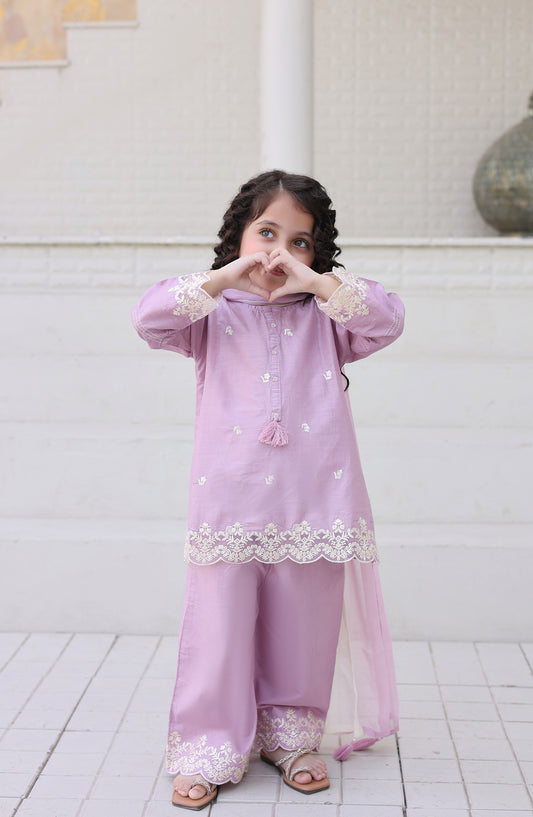
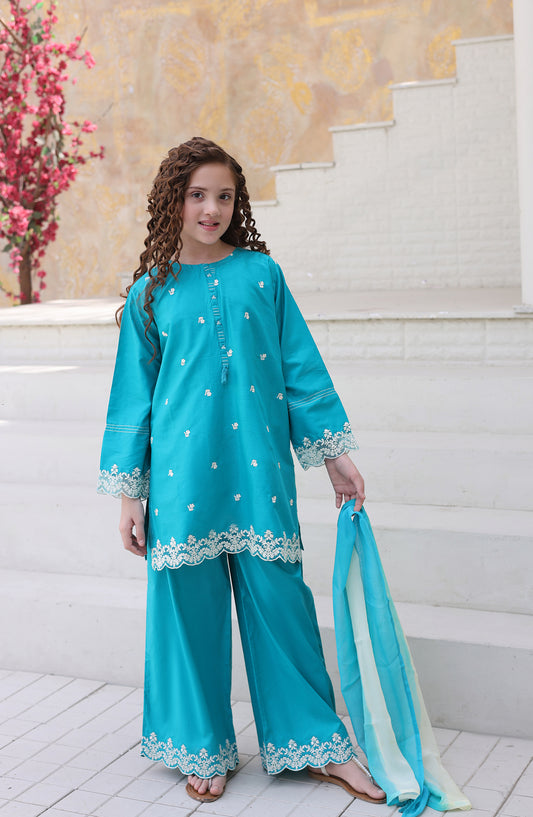
All solid, texture-driven: When every piece is a solid color, texture becomes the styling tool. Combine a matte cotton shirt with a slightly sheen chiffon dupatta so the outfit still has visual depth despite the lack of print.
A good rule of thumb: if you're unsure whether two prints or patterns will work together, default to a solid trouser. It's the safety net that lets the shirt and dupatta take the creative risk.
Dupatta Draping: More Than Just an Add-On
The dupatta is often treated as an afterthought, but how it's styled changes the entire read of a 3 piece suit — sometimes more than the shirt itself.
-
Front-open drape: Both ends hanging loose in front is the most casual option and works well with everyday cotton or lawn sets — practical for daily wear without feeling overdressed.
-
One-shoulder drape: Pinning the dupatta over one shoulder with the length falling behind adds a slightly formal edge, useful for office wear or semi-formal daytime events.
-
Wrapped/shawl style: Wrapping the dupatta around both shoulders like a shawl works particularly well with heavier fabrics in cooler months and adds structure to an otherwise simple outfit.
-
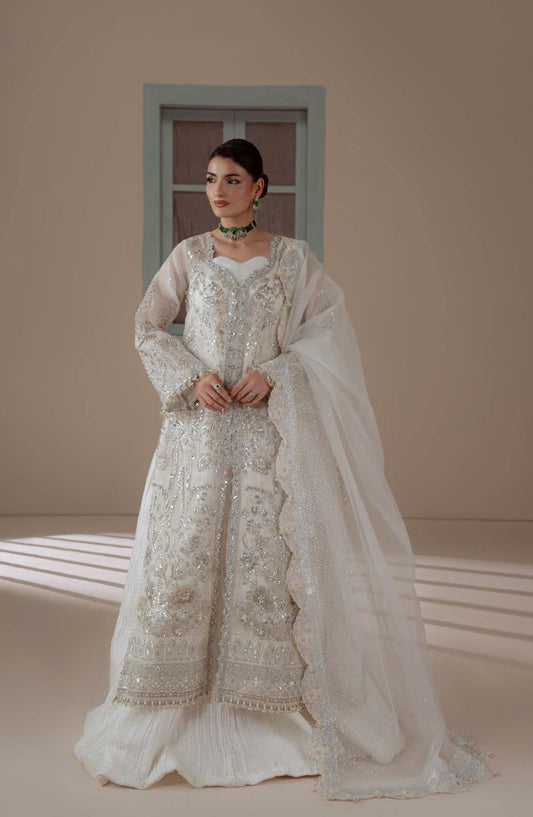
Front-pleated fall: A neatly pleated dupatta pinned at one shoulder, cascading down the front, is the go-to for festive or semi-formal occasions where the suit needs a touch more polish without going full traditional.
Fabric choice matters as much as the drape style. A chiffon or organza dupatta drapes differently than a cotton or khaddar one — heavier fabrics hold structured drapes better, while lightweight fabrics suit loose, flowing styles.
From Daily Wear to Festive Days: Combos for Every Occasion
Not every 3 piece suit needs to be styled the same way — the occasion should decide the combination.
Everyday/casual wear: Lawn or cotton shirt, straight-cut trouser, front-open dupatta in a lightweight fabric. Keep prints small and colors muted for something practical enough to wear all day.
Office or work settings: Solid or subtly printed shirt in a structured fabric, tailored trouser (not shalwar, for a more formal silhouette), one-shoulder dupatta drape. Stick to neutral or deep tones that read professional.
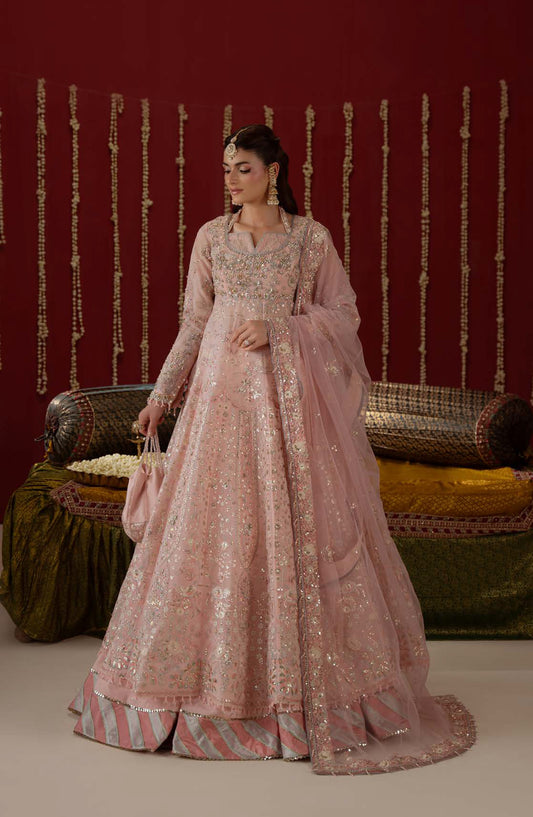
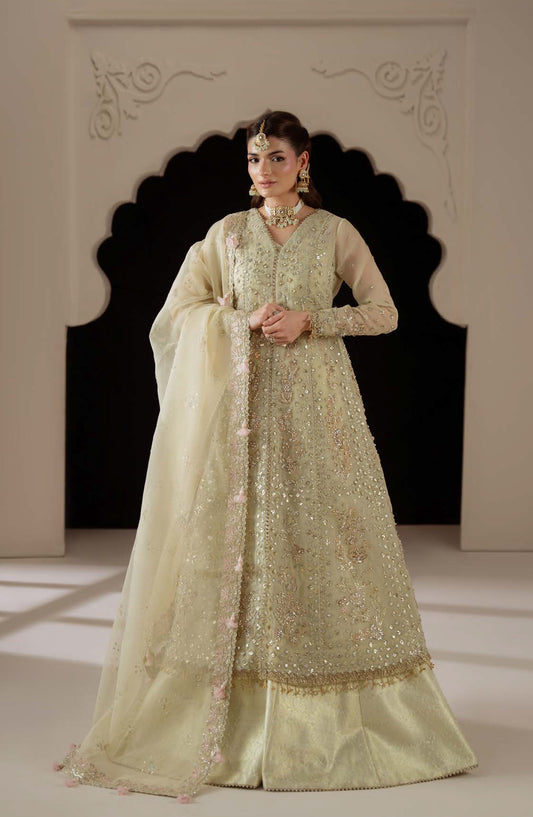
Semi-formal gatherings: Embroidered or block-printed shirt, solid shalwar or trouser, front-pleated dupatta in chiffon or silk. This is where a slightly heavier, more detailed 3 piece suit earns its place.
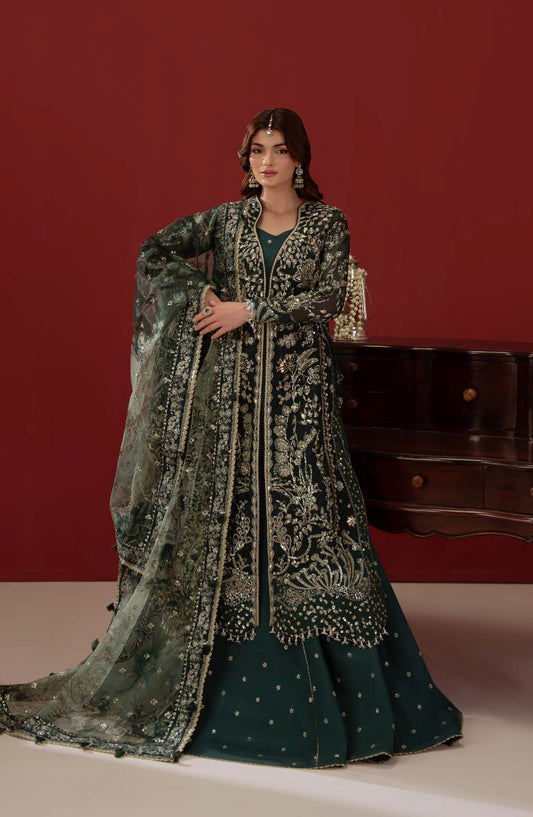
Festive or family occasions: Richer color palettes, embellished or heavier-worked shirt, coordinating solid bottom, and a wrapped or draped dupatta in a fabric with some sheen — organza or silk work well here.
Everyday layering in winter: Khaddar or wool-blend 3-piece sets styled with a wrapped dupatta double as both outfit and light layering, useful for cooler months without adding a separate shawl.
FAQs
Can I wear a printed shirt with a printed dupatta in the same 3-piece?
Yes, as long as the two prints share at least one common color and differ in scale — pair a small, dense print with a larger, more open one so they don't compete for attention.
What trouser style works best under most 3-piece shirt cuts?
A straight-cut or slightly tapered trouser is the most versatile option, as it works under both A-line and straight shirt silhouettes without adding extra volume.
How do I choose a dupatta color if my shirt has multiple colors in its print?
Pick one of the less dominant colors from the print for the dupatta rather than the main color — this ties the outfit together without making it look too matched or flat.
Is it necessary to buy shirt, trouser, and dupatta as a matching set?
No — many 3 piece suits are styled by mixing separately bought solids and prints. Buying a coordinated set is easier for first-time styling, but building combinations yourself gives more flexibility over time.
What fabric is easiest to style for someone new to 3-piece dressing?
Cotton or lawn is the most forgiving starting point since it holds its shape, works across seasons, and pairs easily with most dupatta fabrics without complicated draping.