


















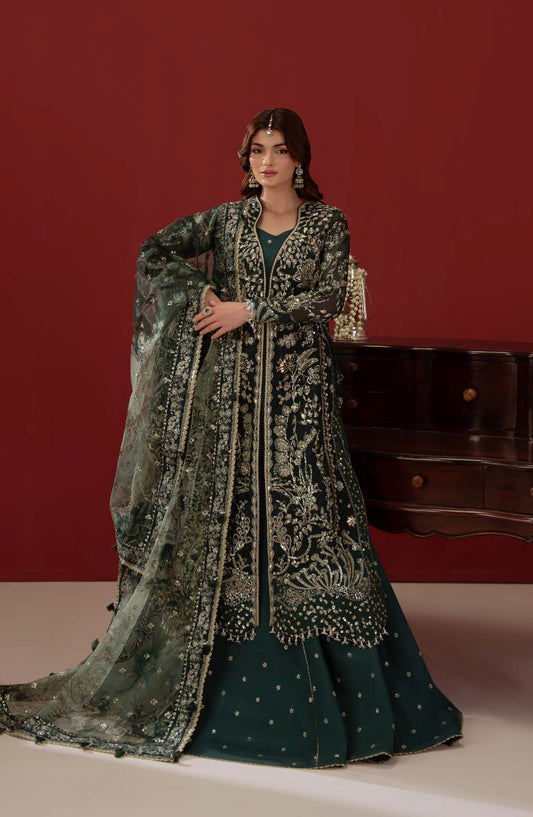

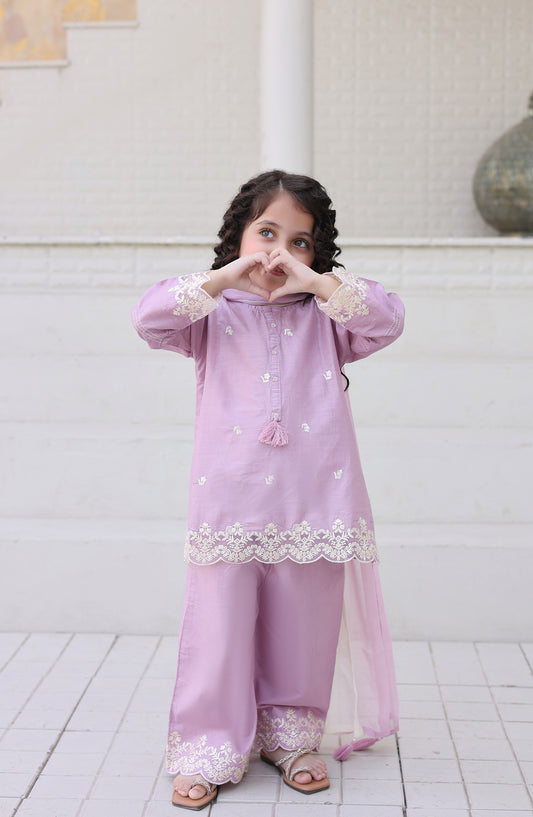

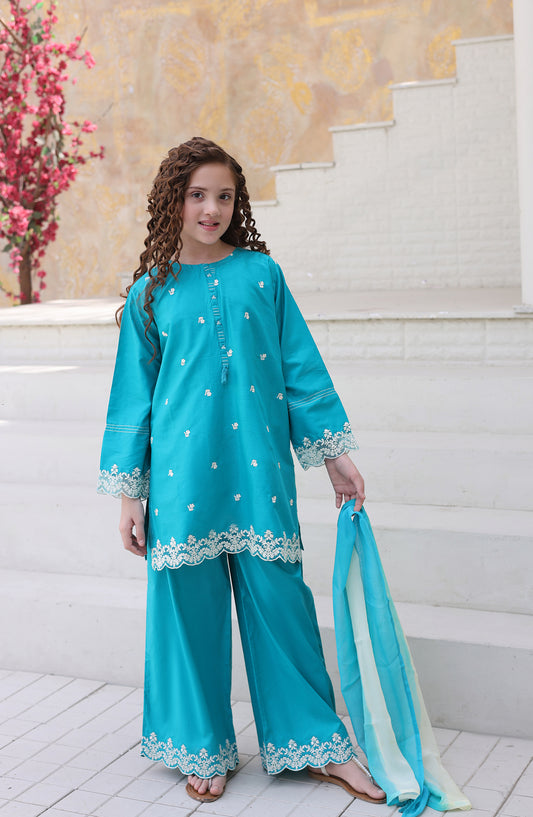

Winter Dress Layering Guide for Pakistani Weather
Layering winter dresses the right way means starting with a breathable base, adding insulation through a mid-layer like a shawl or waistcoat, and finishing with a wind-blocking outer piece only if your region demands it. Pakistan's winter isn't one-size-fits-all — Lahore's foggy chill, Karachi's mild evenings, and Murree's freezing temperatures all call for different layering strategies. This guide breaks down exactly what to wear closest to your skin, what to add on top, and how to keep the whole look stylish instead of bulky.
Base Layering Essentials
Your base layer sits directly against the skin, so comfort and breathability matter more here than anywhere else in your outfit. A well-chosen base regulates body temperature by wicking away moisture while still holding in warmth, which prevents that clammy feeling under heavier layers.
For most Pakistani winters, a soft cotton or khaddar kurta works as an ideal base, especially in northern and central regions where temperatures dip lower. In milder coastal cities, a lightweight lawn or cambric suit is often enough as a standalone base layer, with additional pieces added only for early mornings or evenings. The key is choosing a base that fits close to the body without being tight, since trapped air between skin and fabric is what actually generates warmth.
Color also plays a subtle role — darker base tones absorb and retain a bit more warmth than pastels, which is worth considering if you're dressing for genuinely cold conditions rather than just aesthetic layering.
Mid-Layer Options (Shawls, Waistcoats)
The mid-layer is where most of your actual insulation comes from, and it's also where you have the most room to express personal style. Shawls remain the most versatile mid-layer option in Pakistani winter fashion — a pashmina or wool shawl draped over the shoulders adds warmth without restricting movement, and can be styled differently depending on the occasion, from a loose drape for casual outings to a more structured wrap for formal events.
Waistcoats offer a more tailored alternative, particularly for women who prefer a defined silhouette over the softer look of a shawl. A quilted or embroidered waistcoat adds warmth to the torso and core while keeping arms free, making it a practical choice for anyone who's active throughout the day — running errands, working, or attending back-to-back events.
For colder regions, combining both isn't unusual: a fitted waistcoat under a loosely draped shawl gives you two layers of insulation while still allowing the outfit to breathe. Sweaters and cardigans also fall into this category, offering a more casual mid-layer for everyday wear over kurtas.
Outer Layer for Extreme Cold Regions
If you live in or are traveling to genuinely cold areas — northern Punjab, Kashmir-adjacent regions, or hill stations like Murree and Nathiagali — your outfit needs a proper outer layer built to block wind and retain heat, not just add visual warmth.
Wool coats and long quilted jackets are the most effective outer layer for extreme cold, since wool's natural fiber structure traps heat far more efficiently than synthetic alternatives. Ponchos offer a middle ground between a shawl and a full coat, providing broader coverage for the shoulders and arms while remaining easy to move in. For the coldest days, a full-length wool coat over a kurta and waistcoat combination gives complete coverage without sacrificing shape.
It's worth noting that outer layers in extreme cold should fit slightly looser than your base layer, since the goal is to trap a layer of warm air between your mid-layer and outer layer, not compress it out.
Layering for Style, Not Just Warmth
Layering doesn't have to mean hiding your outfit under bulky fabric. The trick to layering stylishly is contrast — pairing a plain, textured base with a patterned or embroidered mid-layer, or vice versa, so each piece stands out rather than competing for attention.
Proportion matters just as much as pattern. A long shawl or poncho balances best with a fitted waistcoat or slim-cut trousers underneath, while a bulkier waistcoat pairs better with a straighter, less voluminous base kurta. Accessorizing with a statement dupatta pin or layering jewelry over, rather than under, your mid-layer also keeps the outfit from looking flat.
Finally, think about how layers will come off throughout the day. Indoor heating means you'll likely shed your outer layer, so make sure your mid-layer and base still look complete and put-together on their own, not just as a foundation for something else.
Explore Al Karim's Winter Wear Collection and find the perfect winter dress layering ideas.
FAQs
What's the best base layer for Pakistani winters?
A breathable cotton or khaddar kurta works best as a base layer since it insulates without trapping excessive moisture, keeping you comfortable indoors and outdoors.
Can I layer for warmth without looking bulky?
Yes — choosing fitted mid-layers like tailored waistcoats over loose shawls, and sticking to one statement piece per outfit, keeps layered looks slim rather than bulky.
Do I need an outer layer if I live in Karachi or coastal areas?
Generally no; a base and mid-layer combination like a kurta with a shawl or light cardigan is usually enough, with an outer layer needed only on unusually cold evenings.
How many layers are too many?
Three layers — base, mid, and outer — is typically the maximum needed even in extreme cold; adding more usually restricts movement without adding meaningful warmth.
Are shawls or waistcoats warmer for daily wear?
Waistcoats tend to offer more consistent warmth for active days since they stay in place, while shawls offer more flexibility to adjust warmth throughout the day as needed.