















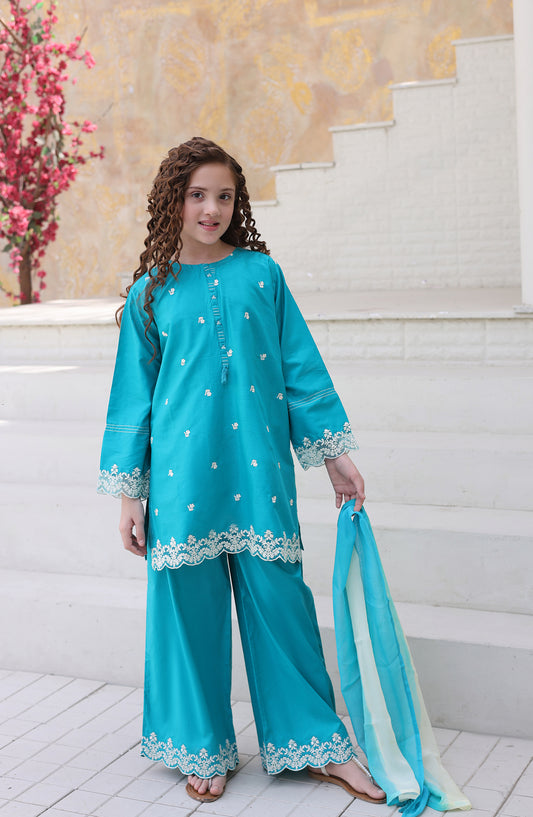

Best Tailoring Tips for Unstitched Suits: Get a Boutique Finish at Home
A boutique-quality finish on an unstitched suit comes down to three things: picking a tailor who measures for your body (not a standard size chart), choosing a cut that suits the fabric weight and print, and investing in finishing details like piping, covered buttons, and proper lining. Get these right, and even a simple two-piece unstitched suit can look like it came off a designer rack.
Unstitched fabric gives you a blank canvas; but that's also where most people go wrong. Buying beautiful lawn, cotton, or khaddar and handing it to the nearest tailor without a plan is how you end up with an ill-fitting, generic-looking outfit. This guide walks through exactly how to avoid that, from vetting a tailor to picking the right silhouette to the small details that separate "home-stitched" from "boutique-stitched."
Choosing the Right Tailor (What to Ask Before You Commit)
Not every tailor is equipped to handle every fabric or design. Before you hand over your unstitched suit, have a short conversation that tells you everything you need to know:
-
"Can I see recent work in this fabric type?" A tailor who's mostly worked with heavier fabrics like khaddar or velvet may not handle delicate lawn or chiffon with the same finesse. Ask to see finished pieces in a similar material to what you're getting stitched.
-
"Do you take a full body measurement, or work off a standard chart?" A boutique fit starts with at least 10–12 measurement points; shoulder, bust, waist, hip, armhole, sleeve length, kurta length, and more. If a tailor is eyeballing your size, walk away.
-
"What's your policy on alterations if the fit isn't right the first time?" Good tailors expect at least one round of minor adjustments and won't charge extra or push back on it.
-
"Can you replicate this neckline/sleeve style from a picture?" Show a reference image. Their response tells you a lot about their skill level and honesty; a confident tailor will flag if something isn't achievable in your fabric, rather than agreeing to everything.
-
"How long will stitching take, and is there a rush option?" Quality stitching takes time. If a tailor promises a same-day turnaround on a heavily embroidered suit, that's a red flag, not a convenience.
A little vetting upfront saves you from the most common regret with unstitched suits: spending on premium fabric only to have it ruined by a rushed or mismatched stitch job.
Cuts That Elevate a Simple Unstitched Suit
The right cut can make an unprinted or minimally printed unstitched suit look far more expensive than it is. Here's how to choose:
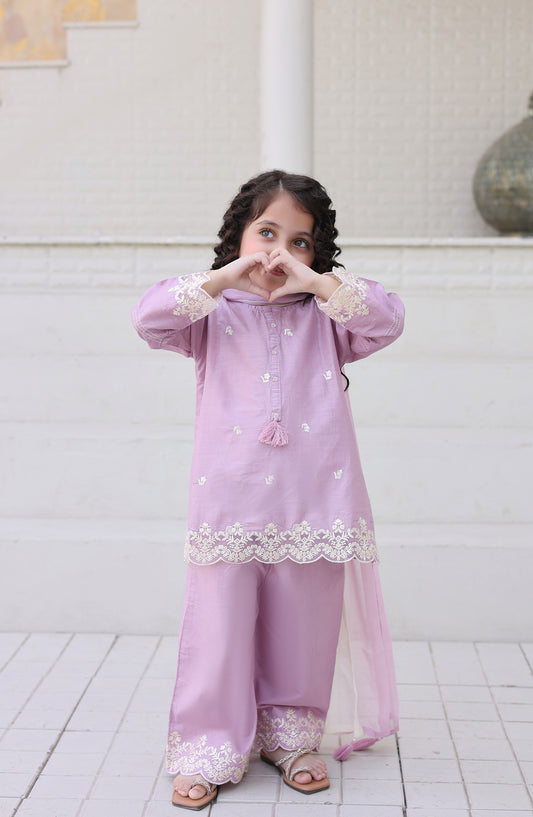
For lawn and cotton (everyday wear): An A-line or straight-cut kameez with a slight flare at the hem works well for warm-weather fabrics because it allows airflow while still looking structured. Pair with cigarette pants or a straight shalwar for a cleaner, more modern silhouette than the traditional wide shalwar.
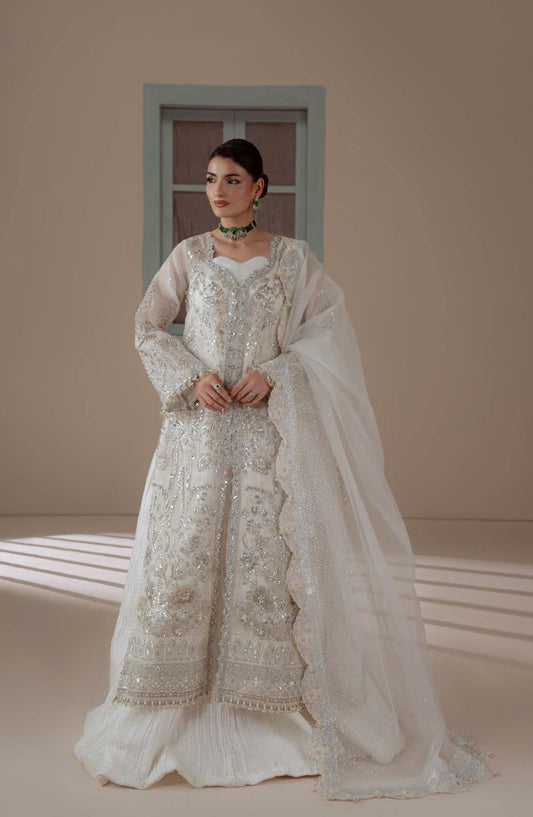
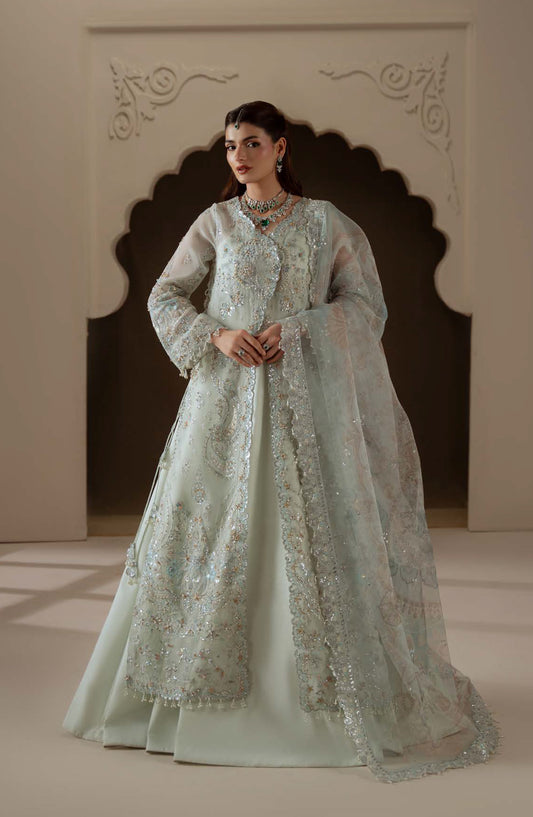
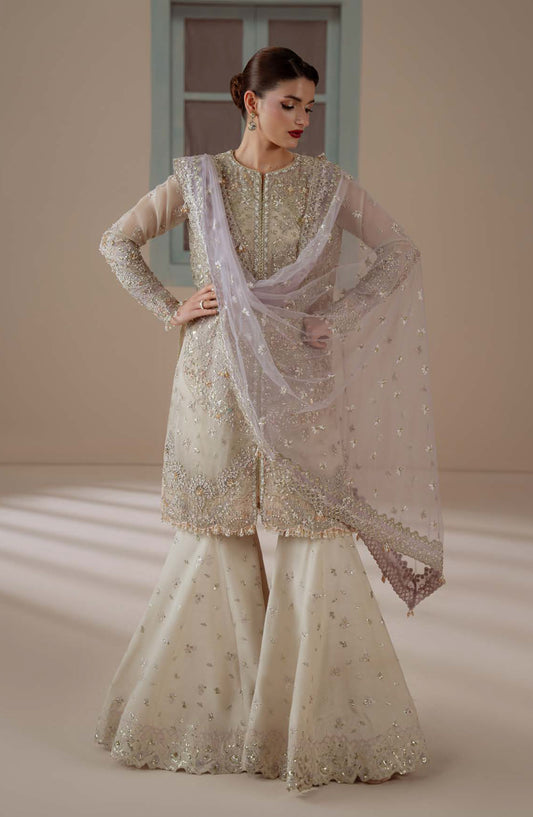
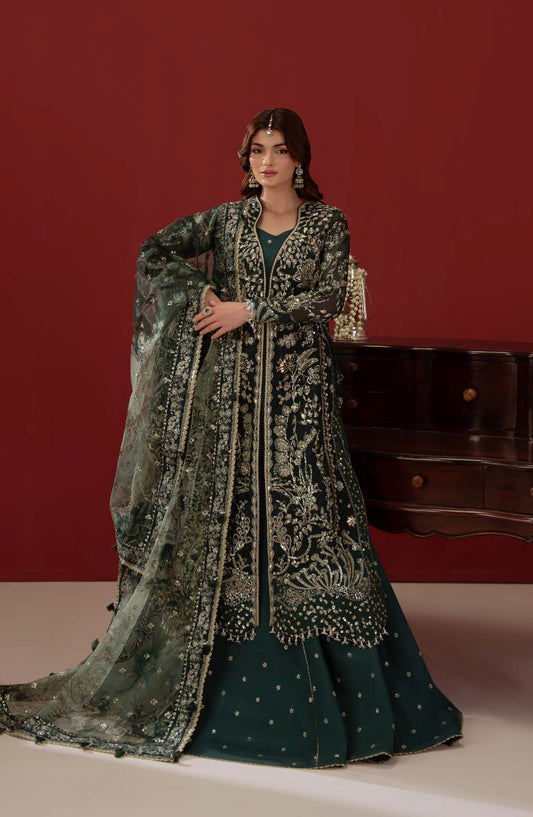
For embroidered or heavier prints: Let the print do the talking. A simple straight-cut or Angrakha-style kameez with minimal panelling keeps the focus on the embroidery instead of competing with it through excessive design lines.
For plain or self-printed fabric: This is where cut matters most. Consider a front-open shirt style, asymmetric hemline, or a high-low kameez to add visual interest without needing additional embellishment. A well-placed dart or princess seam can also shape the silhouette without adding bulk.
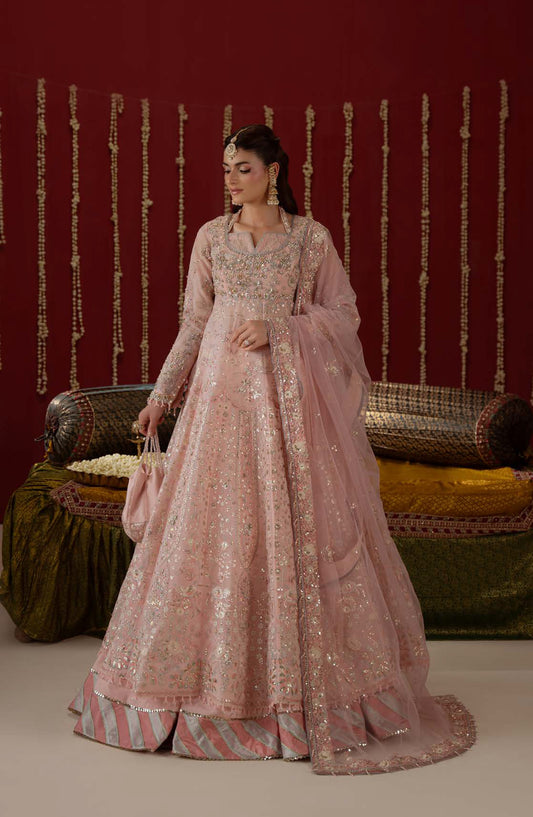
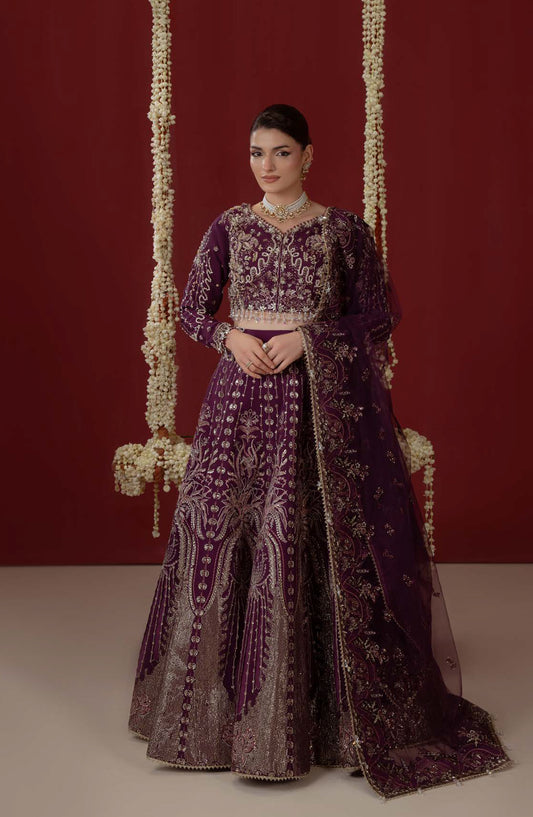
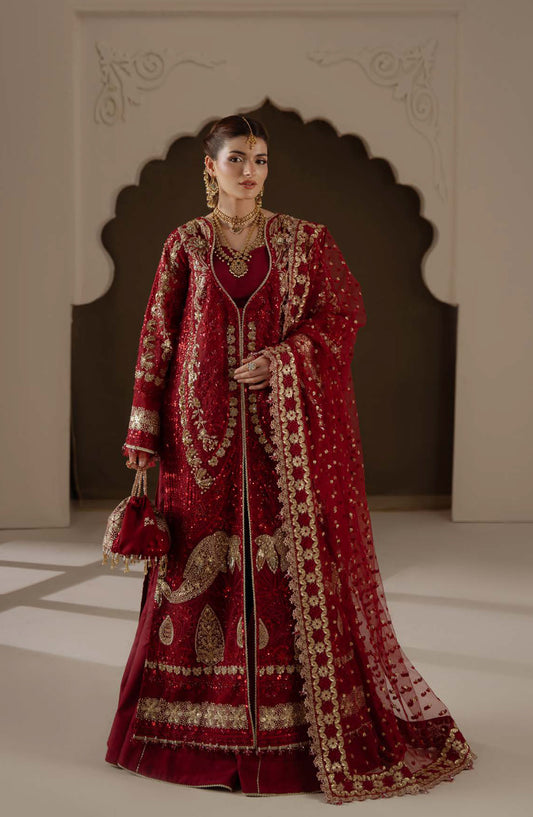
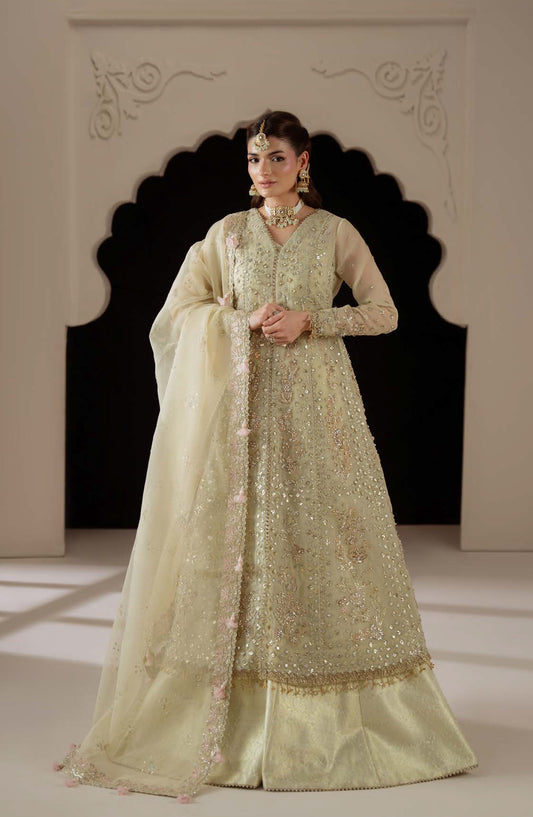
For festive or formal unstitched pieces: Structured cuts like a fishtail or peplum kameez photograph beautifully and give a tailored, boutique look that plain straight cuts can't match.
Matching cut to body type: A-line cuts suit most body types and are the safest choice if you're unsure. Straight cuts flatter taller frames, while flared or peplum styles balance out proportions on shorter frames. Discuss this with your tailor rather than picking a style purely from a catalog photo; what looks good on a model may need adjusting for your build.
Finishing Touches (Piping, Buttons, Linings)
This is the section most people skip; and exactly where the "boutique" difference lives.
Piping: A contrasting or tonal piping along the neckline, sleeves, and hem instantly sharpens the edges of a garment and gives it a finished, retail-look edge. For solid-colored suits, piping in a contrasting shade is an easy way to add dimension without extra fabric.
Buttons: Skip plastic or generic buttons. Fabric-covered buttons (made from your suit's own fabric or a coordinating piece) look significantly more premium and are a small upgrade most tailors can do at minimal extra cost. For front-open styles, consider a short row of covered buttons instead of a zip or hook closure.
Lining: Proper lining isn't just about opacity; it affects how the garment falls, moves, and holds its shape over time. Lawn and chiffon suits especially need a breathable inner lining that matches the drape of the outer fabric; using a stiff or mismatched lining is one of the fastest ways to make an expensive fabric look cheap.
Interfacing and facing: Necklines, cuffs, and plackets should have interfacing to prevent them from losing shape after a few washes. Ask your tailor specifically whether they interface these areas; many skip it unless asked.
Hemming: A rolled or blind hem gives a cleaner finish than a simple straight machine hem, particularly on flowy fabrics like chiffon and georgette where stitch lines are more visible.
Seam finishing: French seams or overlocked edges on the inside of the garment prevent fraying and extend the suit's life; worth asking for, especially on fabrics that unravel easily like net or organza.
Common Tailoring Mistakes to Avoid
Even with good fabric and a decent tailor, these mistakes come up again and again:
-
Not pre-washing fabric before stitching. Many fabrics shrink slightly after the first wash. If your tailor stitches to your exact measurements without accounting for this, the fit can feel tight after washing. Ask about pre-shrinking, especially with cotton and khaddar.
-
Ignoring fabric grain when cutting. Cutting against the fabric's natural grain can cause the finished garment to twist or hang unevenly, particularly noticeable in prints with clear vertical or horizontal patterns.
-
Over-embellishing an already busy print. If your fabric has heavy embroidery or a bold digital print, adding extra lace, tassels, or contrast panels can make the outfit look cluttered rather than elevated.
-
Choosing trend-driven cuts over flattering ones. A style that looks great on social media isn't automatically right for your body type or the fabric you're using. Prioritize fit and fabric behavior over trends.
-
Skipping the trial fitting. A single trial before final stitching lets you catch length, fit, and design issues while they're still easy to fix. Skipping this step to save time is the single biggest reason people end up unhappy with the final result.
-
Mismatching thread color. A close-but-not-exact thread match is noticeable in good lighting and cheapens the overall look. Always confirm thread shade against the actual fabric, not a swatch card.
Getting an unstitched suit stitched well is really about attention to these small, easy-to-overlook decisions; not about spending more. The same principles apply whether you're working with a simple cotton print or a heavily embellished festive piece.
Browse AlKarim Fabric's unstitched collection for prints and fabric weights that work beautifully with these tailoring approaches, from everyday lawn to statement embroidered pieces.
FAQs
1. How much fabric do I need for a 3-piece unstitched suit?
Most 3-piece unstitched suits (shirt, dupatta, trouser/shalwar) come pre-measured between 7 to 10 meters total, depending on the design. Always confirm the exact yardage on the product listing before ordering extra fabric for alterations or added length.
2. Should I wash unstitched fabric before giving it to the tailor?
Yes, especially for cotton, lawn, and khaddar, which can shrink slightly after the first wash. Washing beforehand (following the fabric's care label) helps your tailor stitch to your true measurements and avoids a tighter fit later.
3. How do I make sure the tailor doesn't damage the embroidery while cutting?
Ask your tailor to plan the cutting layout around embroidered or printed motifs before making the first cut, and request that they show you the marked fabric prior to cutting. This avoids embroidery being split awkwardly at seams or seams.
4. What's the difference between a boutique finish and a regular tailor finish?
The difference usually comes down to details: covered buttons instead of plastic ones, contrast piping, proper interfacing at necklines and cuffs, blind-hemmed edges, and precise thread matching. None of these require expensive fabric; they're technique-driven, not cost-driven.
5. Can I reuse a design from a stitched suit I already own?
Yes. Bring the stitched piece to your tailor as a reference for measurements and construction, but confirm whether the same cut will work with your new fabric's weight and drape; a design made for heavier fabric may need adjusting for something lighter like chiffon or lawn.