



















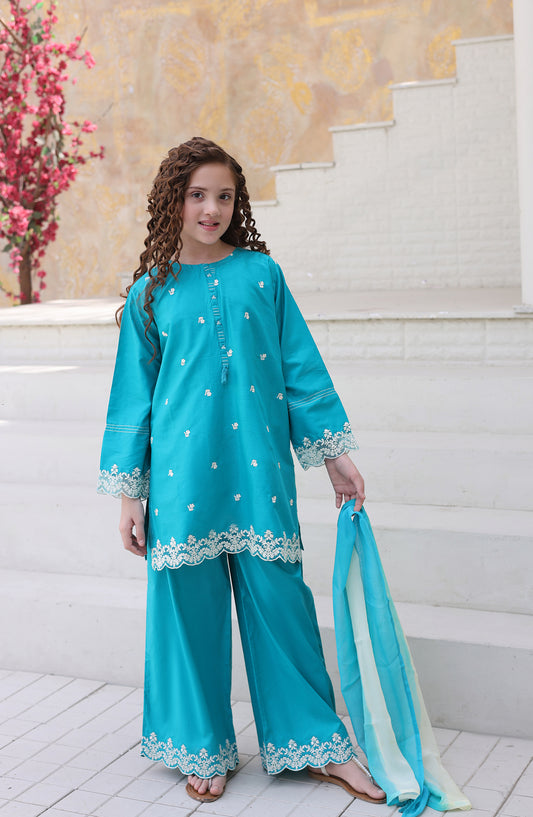

Summer Wedding Guest Outfits: Staying Elegant Without Overheating
Looking formal at a summer wedding without overheating comes down to choosing fabrics that hold structure without weight, colors that photograph well in bright natural light, and an outfit strategy that shifts between daytime and evening functions rather than treating every event the same way. This guide covers exactly how to strike that balance, function by function.
Summer wedding season poses a specific styling challenge: the fabrics and embellishment levels that look effortlessly elegant in photos are often the heaviest, warmest options; while the most breathable choices can feel too casual for a formal event. The good news is you don't have to choose between comfort and looking put-together. Here's how to get both right.
Lightweight Fabrics That Still Look Formal
The key to summer wedding dressing is choosing fabrics that read as "formal" through construction and finishing, not just fabric weight.
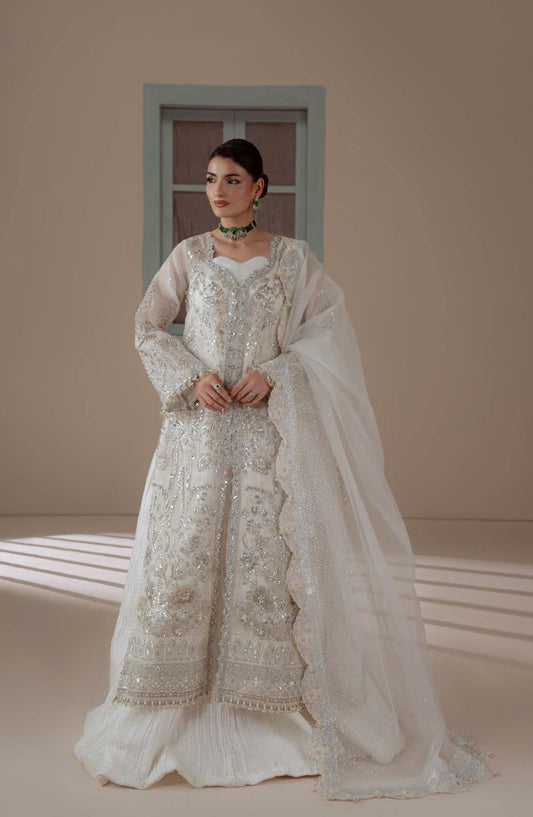
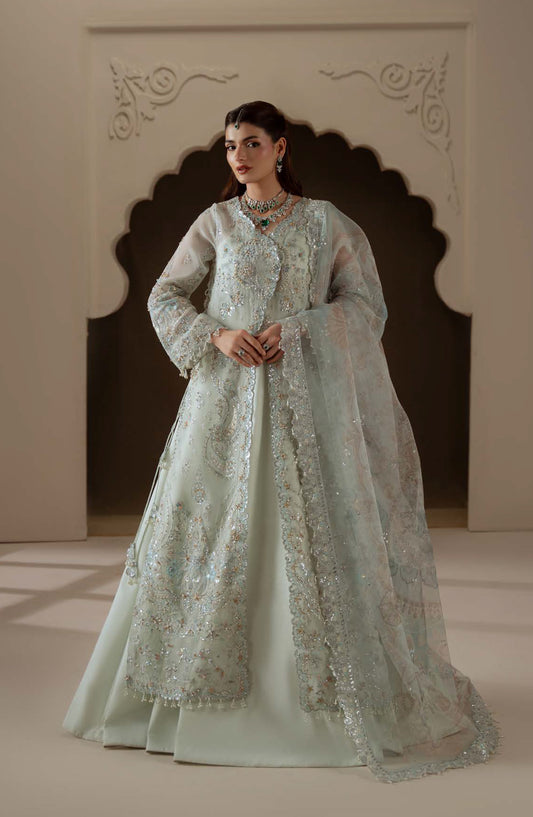
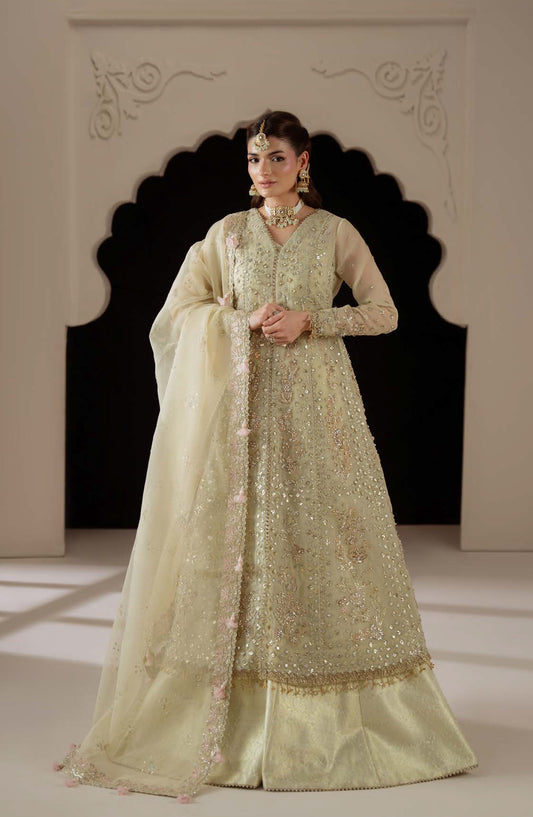
Organza: Despite its light, airy feel, organza holds structure beautifully, making it a strong choice for formal summer pieces that need volume or a crisp silhouette without the heaviness of heavier silks.
Raw silk: Lighter than traditional silk but still carrying a rich sheen, raw silk works well for formal daytime functions, offering a polished look with reasonably breathable wear.
Cotton-silk blends: These bring enough drape and shine to feel dressier than plain cotton, while remaining significantly more breathable than pure silk; a practical middle ground for formal daytime events.
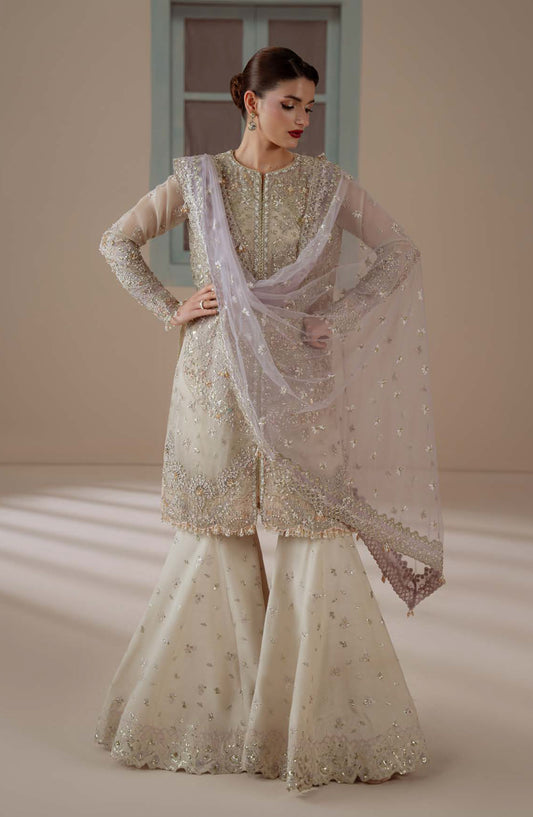
Fine net (used strategically): Rather than a full net outfit, using net for sleeves, a dupatta, or a layered overlay adds a formal, dressed-up texture without the heat retention of a fully net-based garment.
What to avoid for daytime formal wear: Heavy velvet, dense jamawar, or fully embellished net garments; beautiful for winter formal events, but genuinely uncomfortable in summer heat, however elegant they look in isolation.
The construction trick: A well-tailored silhouette; structured shoulders, a fitted bodice, clean tailoring; reads as formal even in a lighter fabric. Don't rely on fabric weight alone to signal "dressed up"; let the cut and finishing do more of that work.
Color Choices That Work in Summer Light
Summer weddings are often outdoors or in bright, naturally lit venues, and color choice interacts with that lighting differently than it would at an evening winter event.
Colors that photograph well in bright daylight:
-
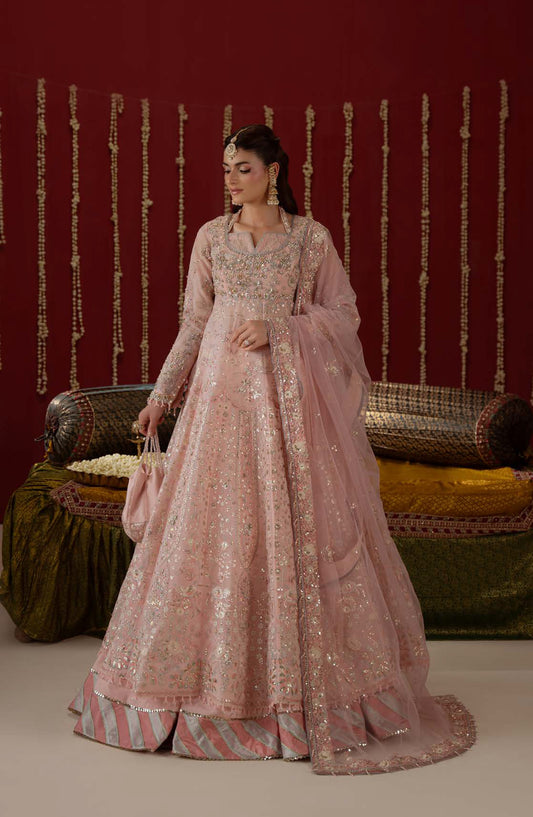
Soft pastels; blush, mint, powder blue; read as fresh and elegant in natural light without appearing washed out.
-
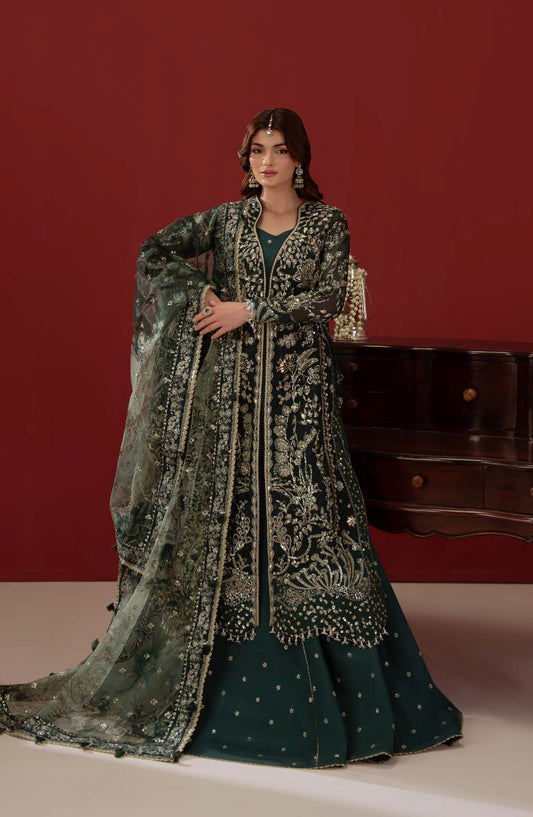
Warm jewel tones in lighter saturation; coral, soft emerald, dusty rose; hold up well in bright light while still feeling festive and formal.
-
Metallics used as accents rather than base colors; gold or silver detailing catches natural light beautifully without the heaviness of an all-metallic outfit.
Colors to use thoughtfully:
-
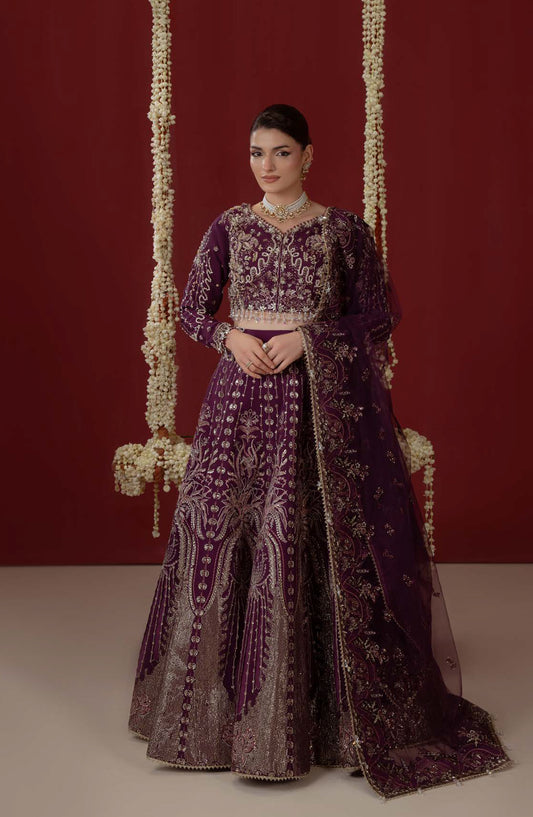
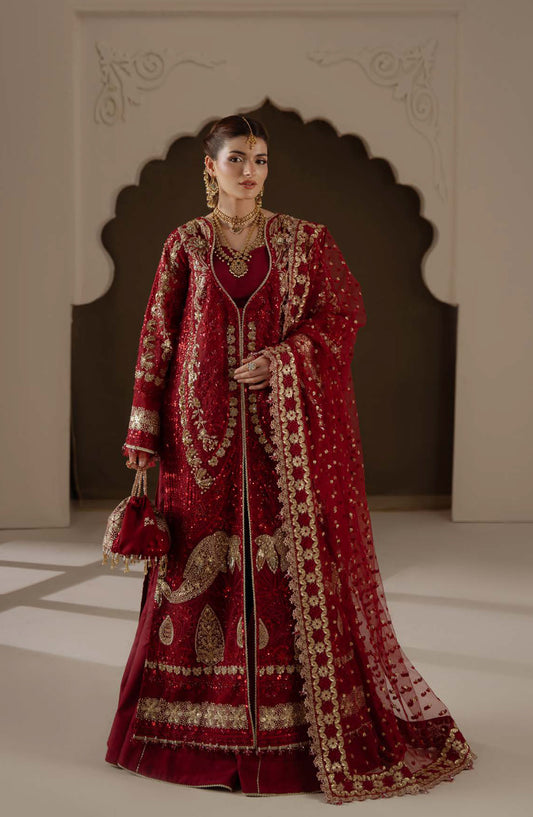
Very dark, saturated colors; deep maroon, black, navy; can look striking but tend to absorb more heat and can feel visually heavy in bright daytime settings, working better for evening functions.
-
Overly bright neon tones, while eye-catching, can sometimes photograph harshly in direct sunlight compared to softer, more saturated alternatives.
A practical approach: If you're unsure which category an event falls into, lean toward mid-tone shades; colors that aren't pastel-light but aren't deeply saturated either. These tend to transition well between daytime and early evening lighting, giving you more flexibility if the event runs into dusk.
Daytime vs Evening Summer Wedding Dressing
Summer wedding functions often span both daytime and evening events, and treating them identically usually means either overdressing for the heat or underdressing for the occasion.
Daytime functions (mehndi, daytime nikah, outdoor ceremonies):
-
Prioritize breathability above all; lighter fabrics like organza, cotton-silk, or fine lawn-based formal pieces work best.
-
Keep embellishment moderate and concentrated, rather than dense embroidery covering the full garment.
-
Choose colors in the pastel-to-mid-tone range, which suit bright natural light better than very dark or heavily metallic tones.
-
Consider a lighter, shorter dupatta style or a dupatta-optional look for outdoor daytime events where heat is more intense.
Evening functions (walima, evening receptions, indoor formal events):
-
Slightly heavier or more embellished fabrics become more comfortable once temperatures drop and events move indoors or into air-conditioned venues.
-
Deeper, richer colors and more metallic detailing suit evening lighting far better than they do bright daylight.
-
Fuller dupatta styles and slightly more structured silhouettes work well here, since heat is less of a factor indoors or after sunset.
For events that span both (an outdoor daytime function transitioning into an evening one): A versatile mid-weight fabric in a mid-tone color, with a statement dupatta or jewelry that can be added as the evening progresses, offers the most practical flexibility without needing a full outfit change.
Accessorizing Without Adding Bulk or Heat
The right accessories can elevate a simple, breathable outfit to formal-event level; without adding the weight or heat that heavier embellished garments bring.
Jewelry: Statement earrings or a single strong necklace piece can carry the "formal" visual weight that a heavily embellished outfit would otherwise provide, letting the garment itself stay lighter and cooler.
Dupatta styling: A lighter dupatta in chiffon or organza, styled elegantly (draped over one shoulder, or as a loose wrap) rather than heavily pleated and pinned, adds a formal touch without extra fabric layering or heat.
Footwear: Breathable sandals or lighter formal footwear are worth prioritizing over closed, heavier shoes, particularly for outdoor daytime functions where comfort over several hours matters.
Bags: A structured clutch keeps accessorizing minimal and formal without adding bulk; a practical choice for both daytime and evening summer functions where you don't want to be managing a heavier bag in the heat.
The overall principle: Let one or two accessory pieces do the "dressed up" work, rather than layering on jewelry, embellished dupattas, and heavier footwear all at once. This keeps the overall look elegant and considered, without adding unnecessary heat or bulk to an already busy event day.
Explore AlKarim Fabric's wedding formals collection for breathable, elegant pieces suited to both daytime and evening summer wedding functions.
FAQs
1. What's the most breathable fabric that still looks formal enough for a wedding?
Organza and cotton-silk blends are both strong choices; they hold structure and read as formal through construction and finish, while remaining significantly more breathable than heavier silks or velvets.
2. Is it okay to wear pastel colors to an evening wedding function?
Pastels work best in bright daylight, but for evening functions, mid-tone or slightly richer colors tend to suit artificial and evening lighting better. If you only have a pastel piece, adding richer-toned jewelry or a statement dupatta can help it transition to an evening setting.
3. How do I dress for an outdoor summer wedding that runs from afternoon into evening?
A mid-weight fabric in a mid-tone color offers the most flexibility, and adding heavier or more metallic jewelry as the evening progresses lets the same outfit work across both lighting conditions without needing a full change.
4. Are heavily embellished outfits ever appropriate for summer daytime weddings?
It's best to keep embellishment moderate and concentrated for daytime events, since dense embroidery adds both weight and heat. Save heavier embellishment for indoor or evening functions where temperature is less of a factor.
5. What dupatta style works best for outdoor summer weddings?
A lighter fabric like chiffon or organza, worn in a simpler drape rather than heavily pleated, tends to work best; it adds a formal touch without the heat retention of a fuller, heavily wrapped dupatta style.