


















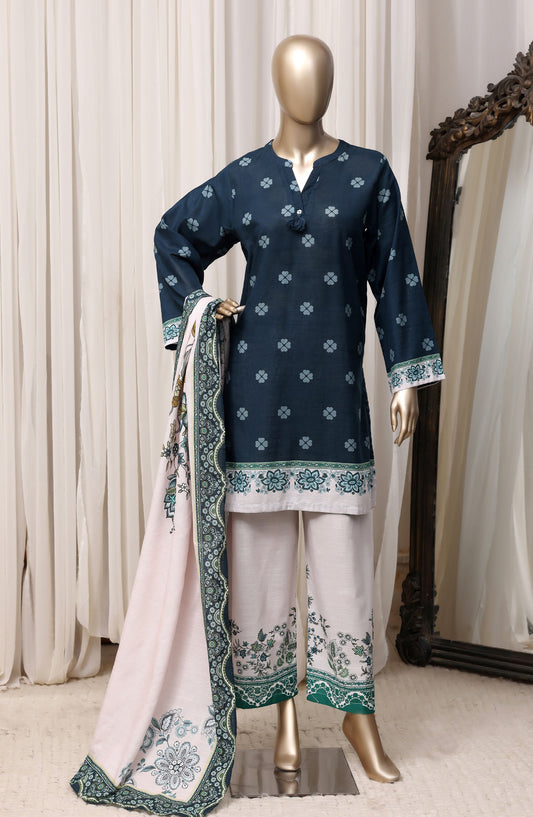

Chiffon Suits Guide: When and How to Wear Them
Chiffon is a lightweight, sheer, flowing fabric best suited to formal and semi-formal occasions rather than daily wear, thanks to its delicate drape, graceful movement, and the way it catches light and embellishment differently from denser fabrics like lawn or cotton. Knowing when chiffon is the right choice; and how to style it for both day and evening; makes the difference between an outfit that looks effortlessly elegant and one that feels impractical for the occasion. This guide covers exactly that.
Chiffon occupies a specific place in a wardrobe: it's rarely the fabric you reach for on a busy errand day, but it's often the fabric that elevates a formal outfit beyond what a sturdier fabric can achieve. Understanding what makes it different is the first step to using it well.
What Makes Chiffon Different from Other Fabrics
Chiffon's defining qualities come down to its weave and fiber structure, which set it apart from the cotton-based fabrics that dominate everyday wardrobes.
Sheerness and layering needs: Chiffon is naturally sheer, which means it almost always requires a lining or an underlayer for coverage. This is different from fabrics like lawn or cambric, which can typically be worn with minimal or no additional lining.
Fluid drape and movement: Chiffon's loose, flowing weave gives it a distinctive movement; it falls and moves with the body rather than holding a structured shape the way cotton or cambric does. This drape is exactly what makes it popular for dupattas and flowing kameez silhouettes, but it also means chiffon garments behave very differently in terms of fit and construction.
Delicacy and care requirements. Chiffon is more prone to snagging and fraying at raw edges than sturdier fabrics, which means it requires more careful seam finishing (like French seams or narrow rolled hems) and gentler handling during both wear and washing.
Light-catching quality. Chiffon has a subtle sheen and translucency that interacts with light differently than matte cotton fabrics, giving embroidery and embellishment on chiffon a slightly more luminous, dressed-up quality; part of why it's so strongly associated with formal wear.
Temperature behavior. While lightweight, chiffon isn't necessarily the most breathable option for peak heat, since its synthetic or silk-based composition (depending on the type) doesn't manage moisture the way natural cotton fibers do. It's better suited to shorter formal events or air-conditioned settings than all-day wear in direct heat.
The key takeaway: Chiffon isn't simply "cotton, but fancier"; it's a fundamentally different fabric with its own construction needs, styling considerations, and best-use occasions, which is why it earns its own category in most wardrobes rather than substituting directly for daily-wear fabrics.
Best Occasions for Chiffon
Chiffon's drape and formal quality make it a strong fit for a specific set of occasions, rather than an everyday fabric choice.
Where chiffon excels:
-
Evening formal events; receptions, walimas, and dinner functions, where its light-catching quality and graceful movement suit both the lighting and the dressier tone of the event.
-
Wedding guest outfits, particularly as a dupatta fabric even when the main garment is something sturdier, since chiffon's drape adds a formal finishing touch without overwhelming the outfit's overall weight.
-
Festive occasions with air conditioning or indoor settings, where chiffon's lower heat-management performance is less of a practical concern than it would be for an outdoor daytime event.
-
Layered formal looks, where a chiffon overlay or dupatta adds visual softness and movement to a more structured base garment underneath.
Where chiffon is a less practical choice:
-
Daily errands or work wear, where its delicacy and sheerness make it less durable and practical than cotton-based fabrics designed for frequent wear and washing.
-
Extended outdoor daytime events in peak heat, where its moisture-management performance falls short of natural cotton fabrics like lawn or voile.
-
Very casual, low-key gatherings, where a full chiffon outfit can read as overdressed relative to the occasion.
A useful rule of thumb: If an event involves formal photography, indoor or evening settings, and a few hours of standing or mingling rather than active movement, chiffon is very likely the right fabric choice. If the event involves extended outdoor time or a more casual tone, consider chiffon as an accent (dupatta, overlay) rather than the full outfit.
Styling Chiffon for Day vs Evening
Chiffon can work for both daytime and evening formal events, but styling choices shift meaningfully between the two.
Daytime chiffon styling:
-
Lighter, softer color palettes; pastels or mid-tone shades suit daylight better than very dark or heavily metallic tones, which can look visually heavy in bright natural light.
-
Simpler embellishment, concentrated at the neckline or hem rather than covering the full garment, keeps a daytime chiffon outfit feeling appropriate rather than overly formal.
-
A more relaxed drape, such as a loosely wrapped dupatta rather than heavily pleated and pinned styling, suits the generally more casual tone of daytime formal events.
-
Pairing with breathable linings underneath, since daytime events; even indoor ones; often involve more movement and warmer conditions than evening functions.
Evening chiffon styling:
-
Richer, deeper colors and metallic accents suit evening lighting far better than they do daylight, making evening the natural setting for chiffon in jewel tones or gold and silver detailing.
-
Fuller, more structured draping; a heavily pleated dupatta or a layered chiffon overlay reads as more formal and intentional, fitting for the generally dressier tone of evening events.
-
Denser embellishment across the garment, since evening events typically allow for a more elaborate, statement-making look than daytime formal wear.
-
Pairing with statement jewelry, since chiffon's flowing quality provides a natural, elegant backdrop for bolder accessory choices in evening settings.
A practical transition tip: If you're attending an event that shifts from day into evening, a chiffon dupatta in a mid-tone color paired with a more neutral base garment offers flexibility; swap in bolder jewelry and re-drape the dupatta more formally as the evening progresses, without needing a full outfit change.
Common Mistakes When Wearing Chiffon
A few recurring mistakes come up often enough with chiffon that they're worth flagging specifically.
-
Skipping proper lining. Because chiffon is naturally sheer, wearing it without adequate lining is one of the most common and easily avoidable mistakes; always confirm lining coverage, especially for a garment (not just a dupatta) made from chiffon.
-
Choosing chiffon for high-movement or outdoor daytime events. Chiffon's delicate construction and lower heat-management performance make it a poor fit for active, extended outdoor wear, however elegant it looks in photos.
-
Over-embellishing an already delicate fabric. Extremely dense embroidery or heavy embellishment can sometimes overwhelm chiffon's natural drape, weighing down the fabric's signature flow. Moderate, well-placed embellishment tends to work better with chiffon's character than maximalist detailing.
-
Neglecting seam and edge finishing. Chiffon frays and snags more easily than sturdier fabrics, so unfinished or poorly finished seams can shorten a garment's lifespan quickly. Always check for proper rolled hems or French seams on chiffon pieces.
-
Washing chiffon like a regular cotton garment. Chiffon typically needs gentler washing; cool water, minimal wringing, and often hand-washing or a delicate cycle; to avoid snagging or distorting the fabric's fine weave.
-
Wearing chiffon without considering the venue's temperature. A beautiful chiffon outfit at an outdoor daytime event in peak summer heat can quickly become an uncomfortable choice; always factor in venue and time of day, not just the occasion's formality level.
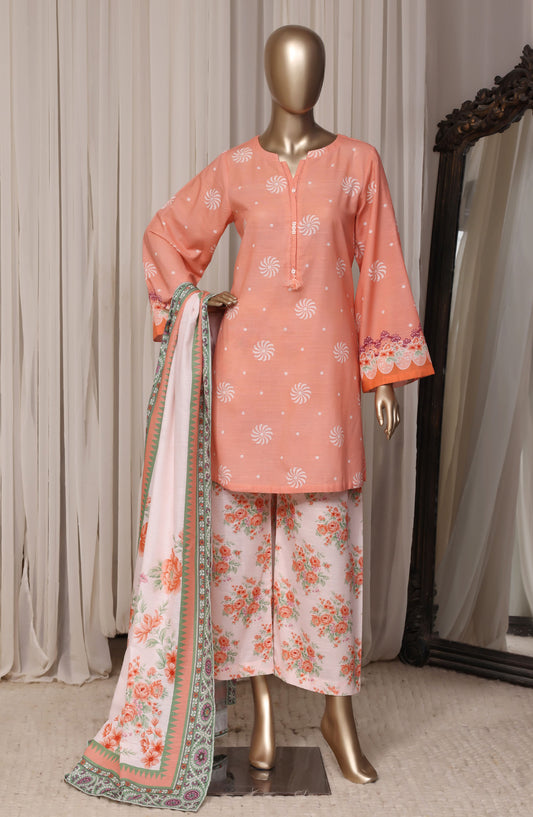
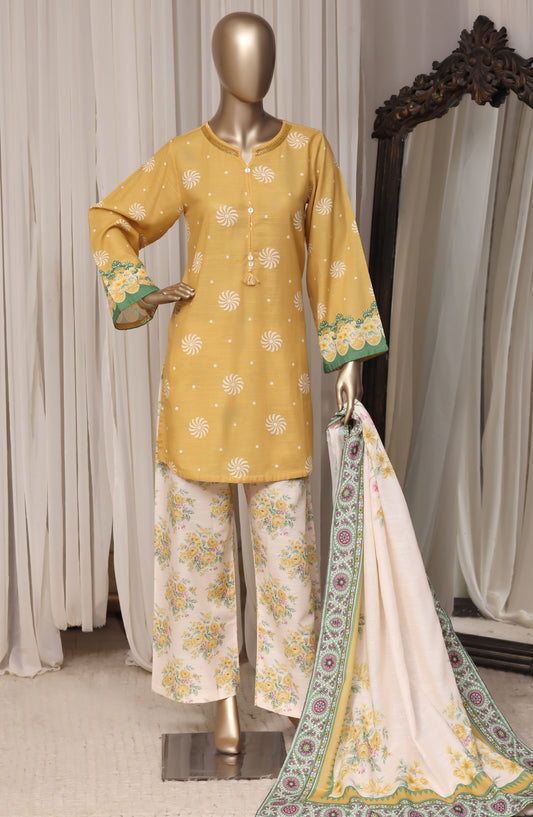
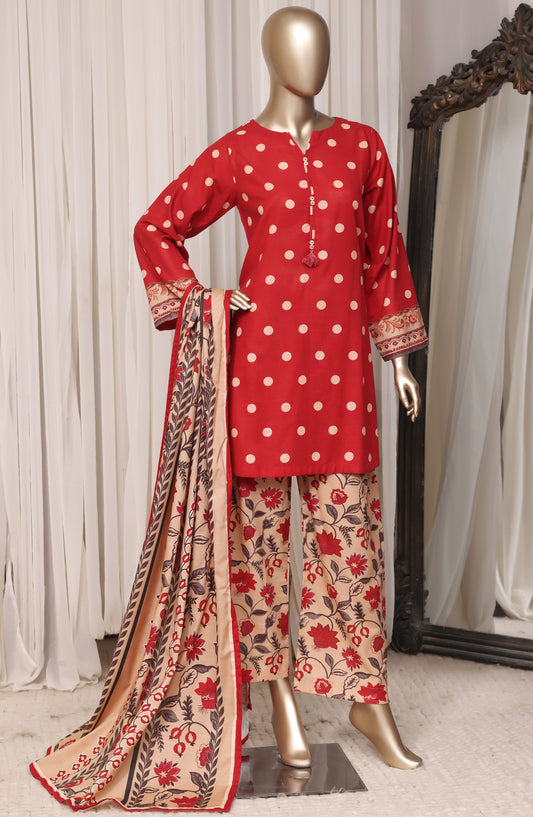
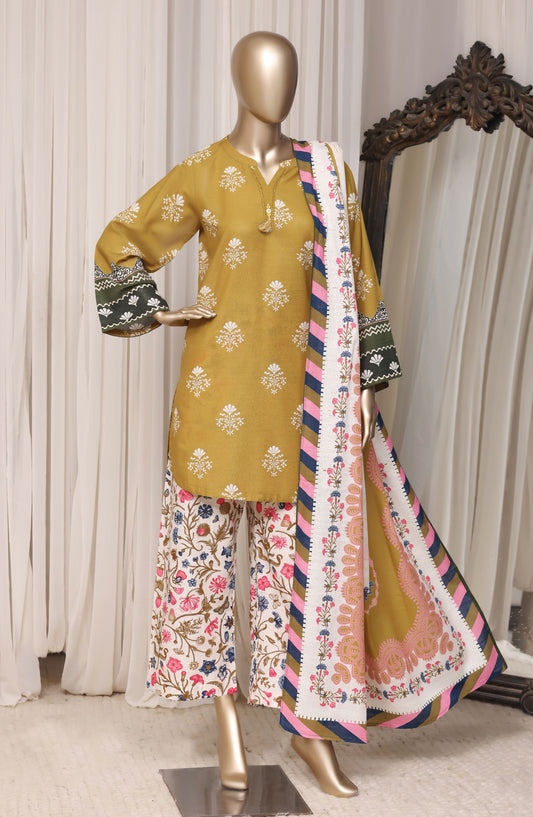
Explore AlKarim Fabric's chiffon collection for pieces suited to both daytime and evening formal occasions, with the drape and finishing chiffon is known for.
FAQs
1. Is chiffon a good fabric choice for a daytime summer wedding?
Chiffon can work for a daytime summer wedding, especially as a dupatta or overlay, but for extended outdoor time in peak heat, a sturdier, more breathable fabric for the main garment (paired with a chiffon dupatta) is generally more practical.
2. Does chiffon always need a lining underneath?
Yes, in almost all cases. Because chiffon is naturally sheer, a proper lining is necessary for full coverage; this applies to the main garment specifically, though dupattas are typically worn without a separate lining.
3. How is chiffon different from georgette, since they're often confused?
Chiffon has a slightly sheerer, smoother finish, while georgette has a bit more texture and body due to its more tightly twisted yarns. Georgette tends to hold structure a little better, while chiffon is known for its especially soft, fluid drape.
4. Can chiffon suits be worn in winter as well as summer?
Yes, chiffon works well year-round for formal and evening occasions, since its use is driven more by the occasion's formality than the season. In winter, chiffon is often layered with a jacket, shawl, or paired with richer colors and heavier jewelry for a season-appropriate finish.
5. How should I wash chiffon to keep it from snagging or losing shape?
Hand-washing or using a gentle, cool-water cycle is generally recommended, along with avoiding excessive wringing. Air-drying flat or on a padded hanger, rather than a thin wire hanger, also helps chiffon maintain its shape and drape over time.