












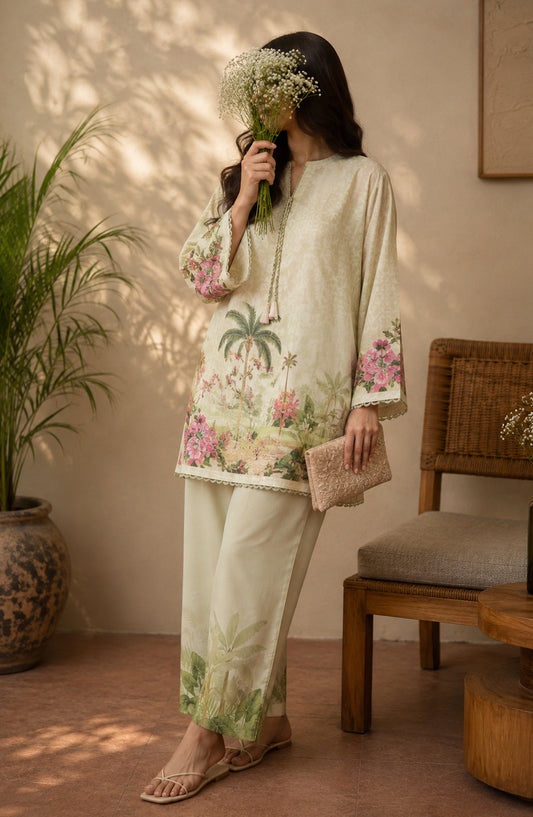

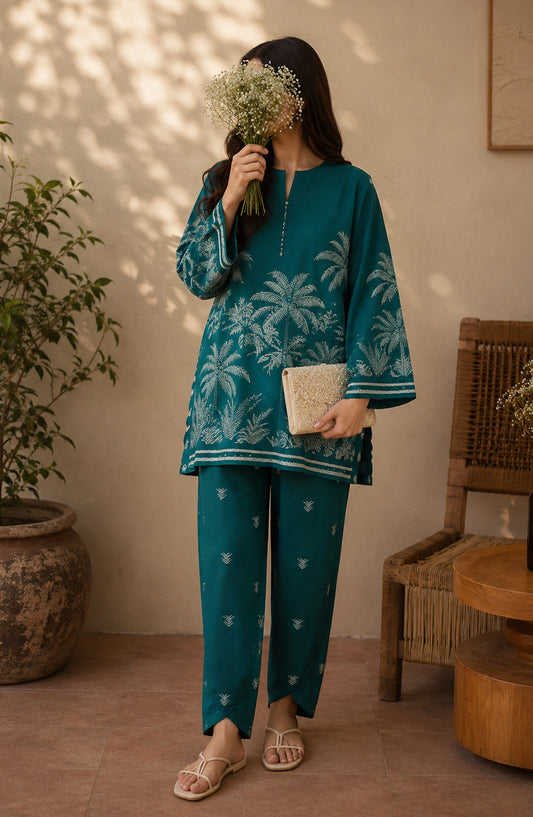

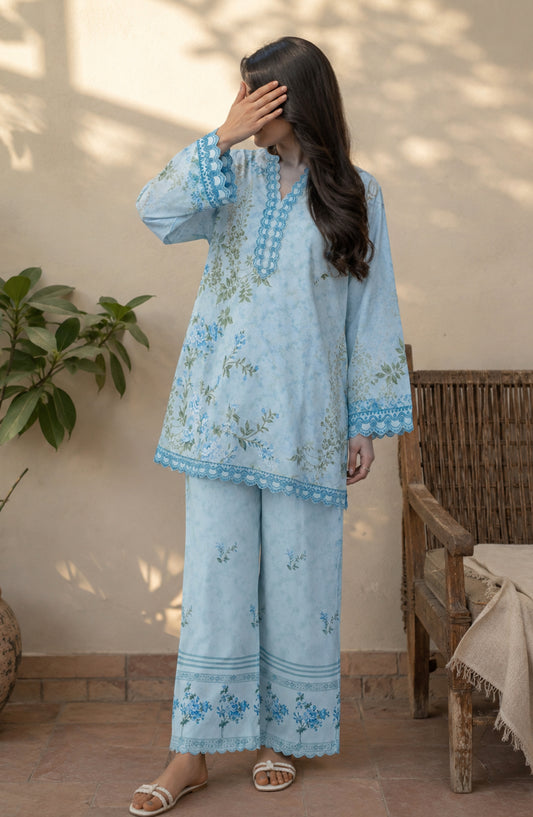

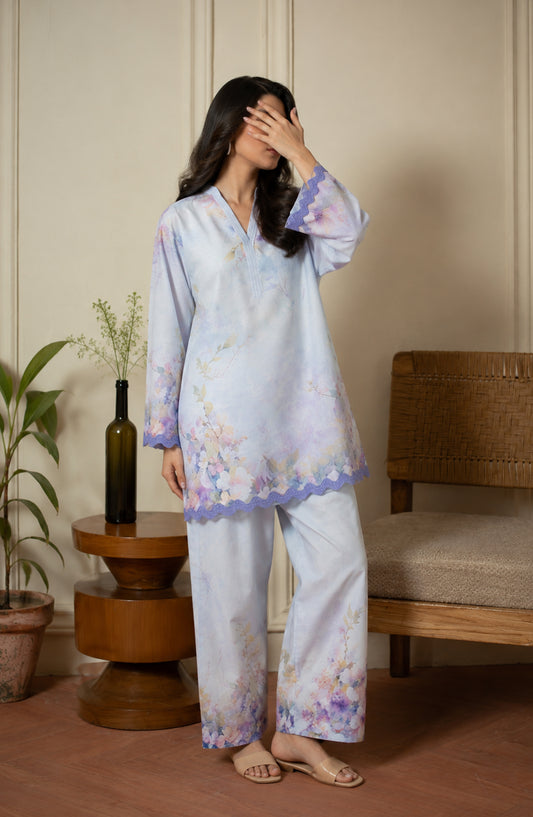





Daily Wear vs Formal Wear for Summer: How to Build Both on One Budget
Building both a daily and a formal summer wardrobe on one budget comes down to splitting spend deliberately rather than shopping reactively; generally putting more of your budget toward daily wear, since it gets worn far more often, while reserving a smaller portion for a few well-chosen formal pieces that carry more visual weight per rupee spent. This guide breaks down exactly how to define the two categories, split your budget sensibly, and find pieces that stretch across both.
Most wardrobe budgets get thrown off not by overspending overall, but by spending unevenly; too much on a few formal pieces worn twice a season, too little on daily wear that gets worn dozens of times. Here's how to fix that balance.
Defining the Difference (Fabric, Cut, Occasion)
Before splitting a budget, it helps to be clear on what actually separates daily wear from formal wear, beyond just "casual" versus "dressy."
Daily wear typically means:
-
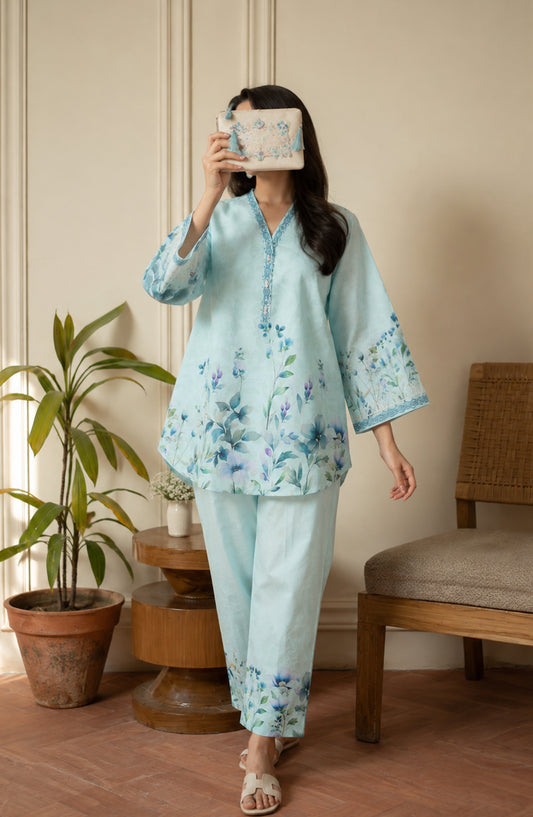
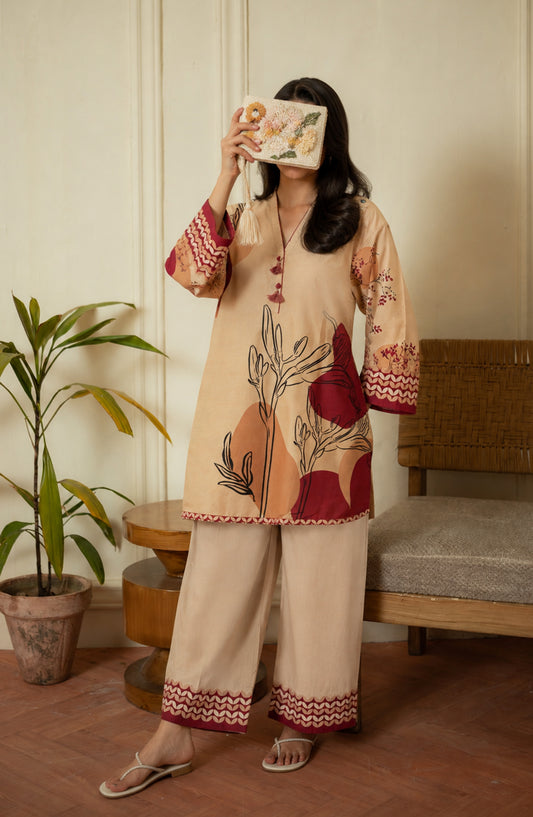
Fabric: Simple lawn, cotton, or cambric; chosen for breathability, easy washing, and durability over many wears rather than for shine or drape.
-
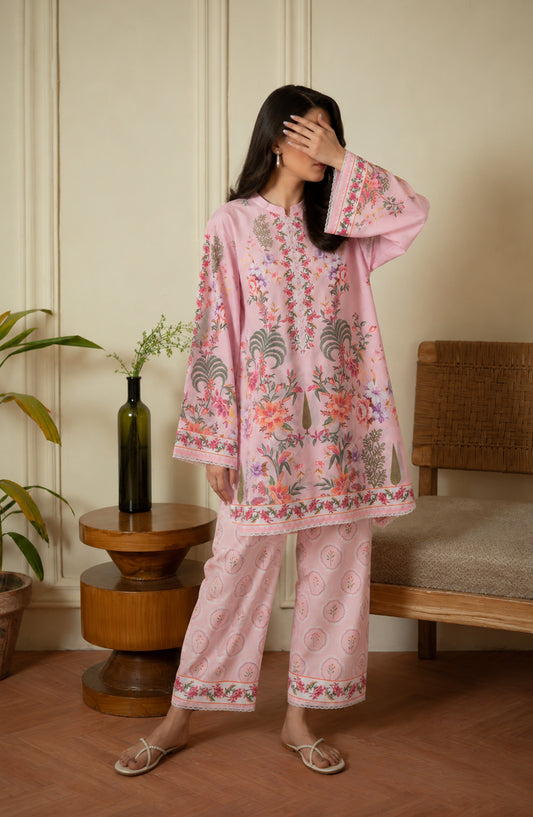
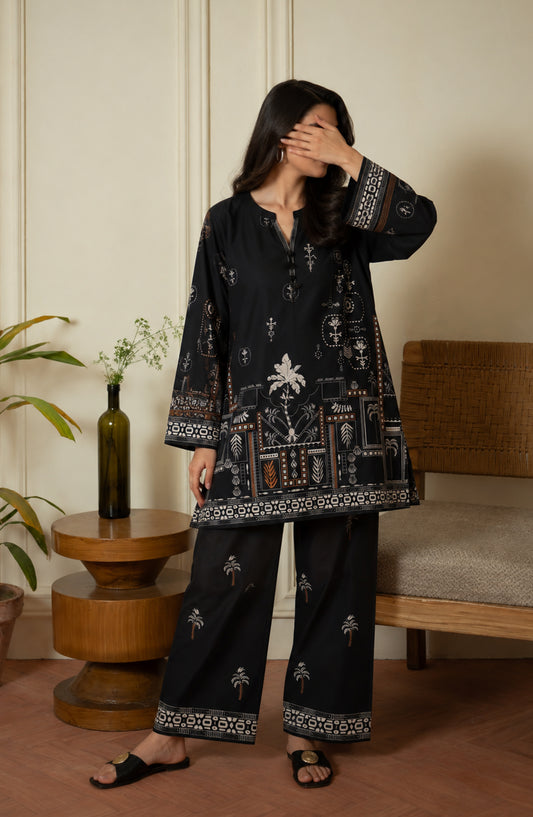
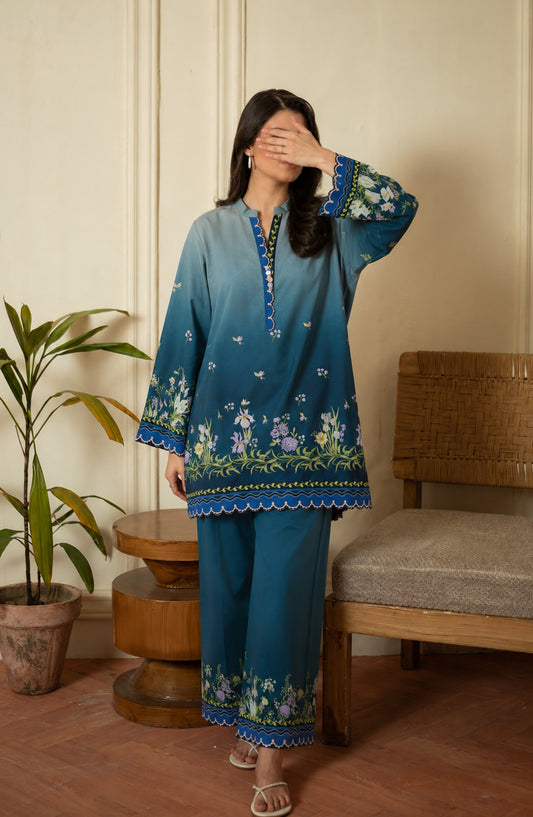
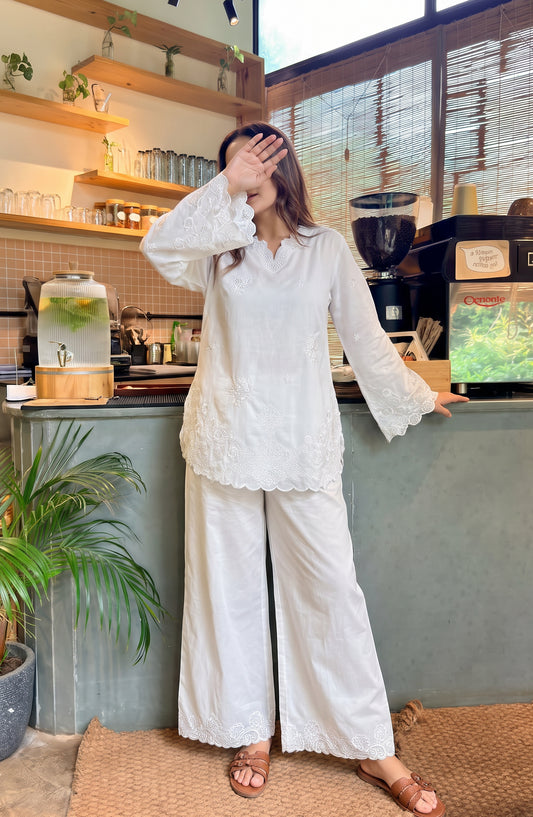
Cut: Practical, comfortable silhouettes; straight-cut or A-line kameez, cigarette pants, or a simple shalwar that allows easy movement through a full day.
-
Occasion: Errands, work, casual outings, and low-key social visits, where the priority is comfort and repeat-wearability over visual impact.
-
Embellishment: Minimal to none; prints and color do most of the visual work, keeping the piece practical for frequent washing and everyday activity.
Formal wear typically means:
-
Fabric: Cotton-silk, raw silk, organza, or lightly embellished net; chosen for drape, sheen, and a more polished finish appropriate for events.
-
Cut: More structured or statement silhouettes; fishtail hems, peplum styles, layered kameez, or fuller dupatta drapes designed to photograph well and hold shape through several hours of wear.
-
Occasion: Weddings, festive gatherings, formal work events, and any setting where the outfit is expected to stand out rather than blend into the background.
-
Embellishment: Moderate to heavy; embroidery, sequins, or structured detailing that would feel impractical for daily errands but is exactly right for a dressed-up event.
Why this distinction matters for budgeting: Daily wear needs to be practical and repeatable, which usually means lower cost-per-piece but higher frequency of use; while formal wear can justify a higher cost-per-piece precisely because it's worn less often and needs to make more of a visual impression each time.
Budget Split: How Much to Spend on Each
There's no single "correct" ratio, but a practical starting framework helps most shoppers avoid the common trap of overspending on formal pieces at the expense of a functional daily wardrobe.
A reasonable starting split for most budgets:
-
60–70% toward daily wear. Since these pieces get worn far more frequently, this is where your budget should do the most work; covering enough pieces that you're not doing laundry every other day or repeating the same outfit constantly.
-
30–40% toward formal wear. A smaller portion of the budget, concentrated into fewer, higher-quality pieces, rather than spread thin across many formal items that may only get worn once or twice each.
How to adjust the split based on your calendar:
-
Heavier event season (multiple weddings, festive months): Shift the split closer to 50/50, since formal wear demand is genuinely higher during these periods and justifies a larger share of the budget temporarily.
-
Lighter event season: Lean further toward daily wear, since there's less immediate need for formal pieces and your budget is better spent on wardrobe pieces you'll actually wear week to week.
A common budgeting mistake to avoid: Spending a large portion of the season's budget on one or two statement formal pieces early on, then having little left for daily wear; which often results in repeating the same handful of daily outfits for months. Planning the split before shopping, rather than adjusting reactively after an impulse formal purchase, helps avoid this.
Cost-per-wear as a planning tool: A daily piece worn 15 times across the season effectively costs far less per wear than a formal piece worn twice, even if the formal piece has a higher price tag. Keeping this in mind while shopping helps justify spending more on daily wear than instinct might otherwise suggest.
Pieces That Double as Both
Some of the most budget-efficient purchases are pieces that can convincingly move between daily and formal use, depending on styling.
Look for these dual-purpose qualities when shopping:
-
A cotton-silk kameez in a versatile solid color with light embroidery only at the neckline. Worn with simple bottoms and no dupatta, it works as elevated daily wear; add a statement dupatta and jewelry, and the same piece works for a semi-formal event.
-
A well-tailored straight-cut kameez in a rich but not overly bold color. The cut itself is practical enough for daily wear, but the color and fabric quality let it transition into a formal setting with the right accessories.
-
A neutral or jewel-toned chiffon dupatta. Paired with a simple daily kameez, it barely gets noticed; paired with the same kameez but a statement necklace, it can elevate the whole outfit for a lightly formal event.
-
A mid-weight fabric that isn't fully sheer or fully opaque. Fabrics in this middle range tend to have the most flexibility, since overly delicate formal fabrics rarely hold up to daily wear, while very casual fabrics rarely photograph as convincingly formal.
Why these pieces matter for the budget: Each dual-purpose piece effectively counts toward both your daily and formal wardrobe needs, meaning your total spend covers more ground than buying strictly single-purpose pieces for each category.
Sample Shopping List
Here's a practical example of how a split budget might translate into an actual shopping list for the season:
Daily wear (larger share of budget):
-
4–5 lawn or cotton kameez in easy, everyday prints
-
2–3 pairs of cigarette pants or a simple shalwar in neutral shades
-
1–2 casual chiffon or cotton dupattas
-
1 dual-purpose cotton-silk kameez that can be dressed up when needed
Formal wear (smaller, more concentrated share of budget):
-
1–2 statement formal pieces in cotton-silk, raw silk, or organza with moderate to heavier embellishment
-
1 dressier dupatta in a richer fabric (organza or lightly embellished chiffon)
-
Accessories to elevate daily pieces for lighter formal use; statement earrings, a structured clutch, and a versatile necklace
How this list reflects the budget principle: The bulk of the piece count sits in daily wear, where frequency of use justifies the volume, while formal spending is concentrated into fewer, more deliberate pieces; supported by accessories and dual-purpose items rather than an equally large formal wardrobe.
Explore AlKarim Fabric's daily wear collection to build out the everyday foundation of your summer wardrobe before allocating the rest of your budget to formal pieces.
FAQs
1. What percentage of a summer wardrobe budget should go toward formal wear?
A reasonable starting point is 30–40% toward formal wear and 60–70% toward daily wear, adjusting the split closer to 50/50 during heavier wedding or festive seasons when formal wear needs increase temporarily.
2. Can one outfit really work for both daily and formal occasions?
Yes, particularly pieces in versatile mid-weight fabrics with minimal, concentrated embellishment. Styling; the addition or removal of a statement dupatta, jewelry, or a structured bag; often does more to shift an outfit between daily and formal than the garment itself.
3. Is it worth spending more on fewer formal pieces rather than several cheaper ones?
Generally, yes. Since formal pieces are worn less frequently, concentrating budget into fewer, higher-quality pieces tends to deliver better cost-per-wear value and a more polished result than spreading the same budget across several lower-quality formal items.
4. How many daily wear pieces do I actually need for a full summer season?
This depends on your laundry routine and lifestyle, but a starting point of 5 to 7 daily wear pieces allows for reasonable rotation without excessive repeat-wearing or overly frequent washing.
5. Should I prioritize daily wear or formal wear first when shopping on a tight budget?
Daily wear should generally come first, since it's worn far more often and has a more immediate, ongoing impact on your day-to-day wardrobe. Formal pieces can be added incrementally as budget allows, especially if there's no immediate event requiring one.