










Heavy vs Light Embellishment: Choosing the Right Wedding Outfit for Your Event
Heavy embellishment — think dense zardozi, tilla, and kundan work — suits main wedding events like the barat or reception where the outfit needs to hold its own under bright lights and photographs. Light embellishment, such as delicate gota accents or subtle thread work, is better for daytime functions, mehndis, and smaller gatherings where comfort and movement matter more than maximalism. The right choice for your wedding dresses ultimately comes down to the event's formality, the venue's lighting, and how many hours you'll actually be wearing the outfit.
Choosing between the two isn't just a style preference — it's a practical decision that affects how you look in photos, how you feel by hour six of the event, and how well the outfit matches everyone else's expectations of the occasion. Here's how to think it through properly.
When Heavy Embellishment Makes Sense
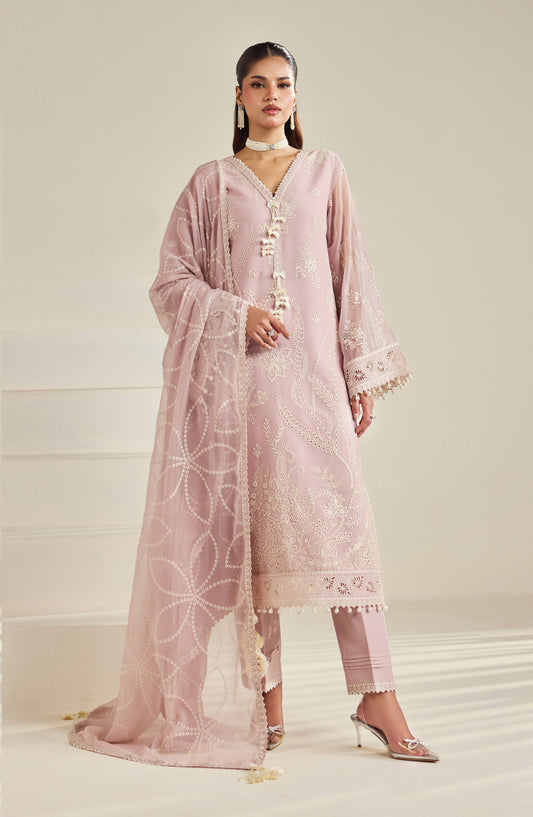
Heavy embellishment earns its place at events where the outfit is meant to be the centerpiece of the room. A bride's barat outfit, a groom's family reception look, or a valima ensemble are all occasions where dense embroidery, layered zardozi, or kundan-studded necklines photograph beautifully and hold visual weight against elaborate stage backdrops and flash photography.
There's also a practical reason heavy work performs well at big events: rich embellishment reflects light in a way that plain or lightly worked fabric simply can't. Under the harsh lighting of a wedding hall, a heavily embroidered dupatta or a densely worked bodice reads as luxurious and intentional from a distance — which matters when most guests are seeing the outfit from across a room, not up close.
Heavy embellishment also tends to carry more cultural weight. For many families, a certain density of handwork on the bridal or main-event outfit signals the occasion's importance. If you're choosing an outfit for the barat, valima, or a formal reception, leaning into fuller embellishment is usually the safer, more traditionally aligned choice.
When Light or Minimal Work Better
Not every wedding function calls for maximalist embroidery, and honestly, not every outfit benefits from it. Daytime events — mehndi, nikkah in some families, or a bridal shower — tend to favor lighter embellishment because the setting itself is less formal and often outdoors or naturally lit, where subtlety photographs just as well as heavy work.
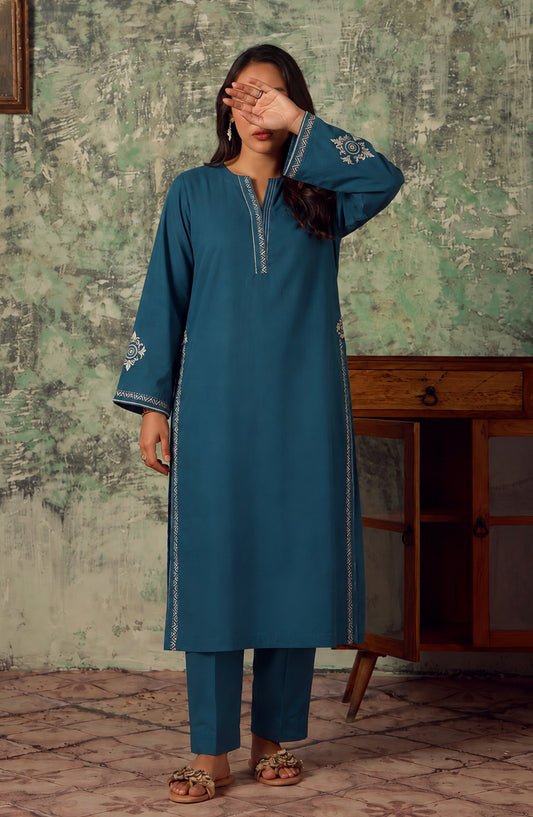
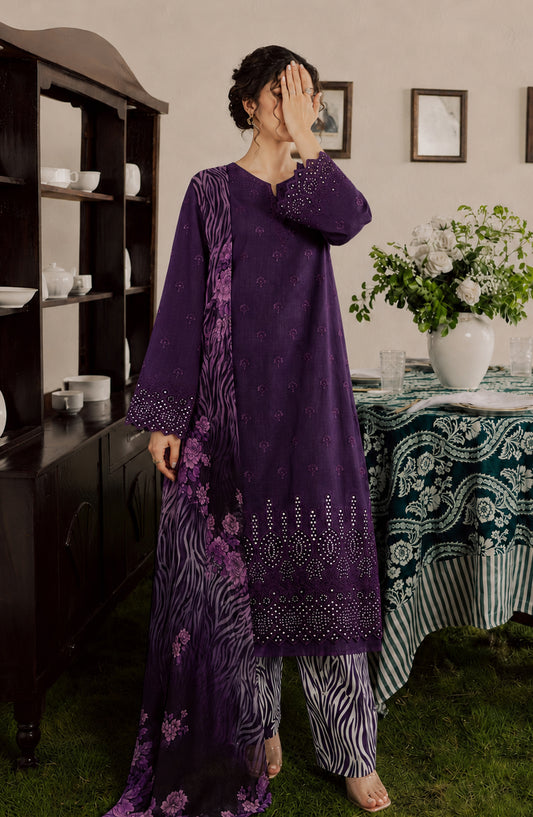
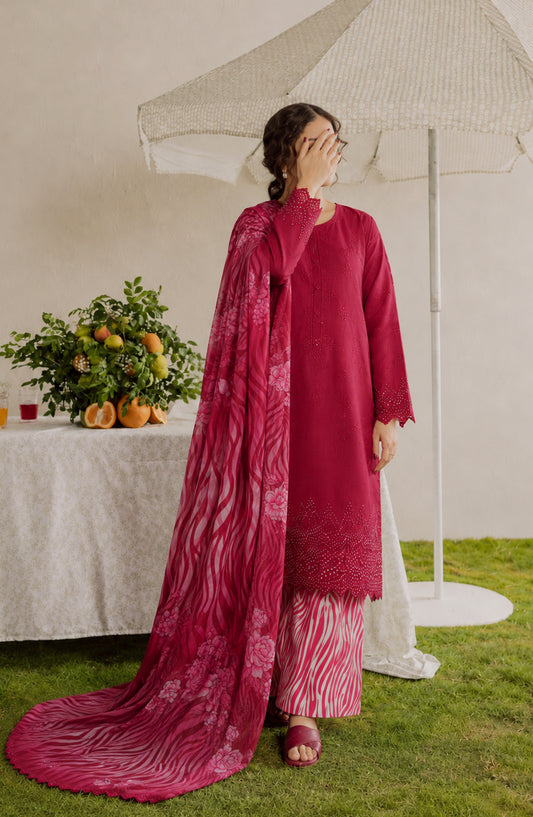
Light embellishment also gives an outfit versatility. A dress with delicate gota borders, minimal thread embroidery, or a scattering of sequins rather than an all-over pattern can transition from one function to another with a change of jewelry or dupatta styling. This matters if you're building a wardrobe for a multi-day wedding season and don't want every outfit to compete for the same level of attention.
There's also a growing preference among guests and even brides for understated elegance — outfits that let the silhouette, fabric quality, and color do the work instead of relying on dense handwork to make a statement. A well-tailored piece in a quality fabric with minimal embellishment can look just as intentional and elevated as something heavily worked, especially for events like a nikkah or an intimate reception.
Comfort and Practicality Trade-Offs
This is the part that often gets overlooked until the day itself. Heavily embellished outfits are typically heavier in actual weight, sometimes significantly so once zardozi, kundan, and layered fabric are factored in. If your event involves long hours — standing for photos, dancing, moving between stage and floor — that added weight on the shoulders and neckline can turn into real discomfort by the end of the night.
Heavy embellishment can also restrict movement more than people anticipate. Dense embroidery on sleeves or a fitted, heavily worked bodice can limit how freely you move your arms, which matters for functions where you're expected to be active — greeting guests, taking part in mehndi dances, or simply sitting for extended stretches in a fitted outfit.
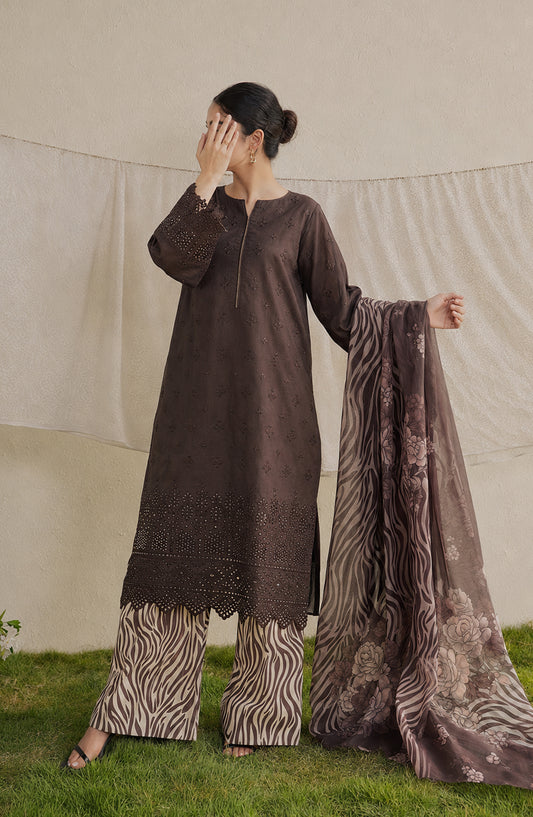
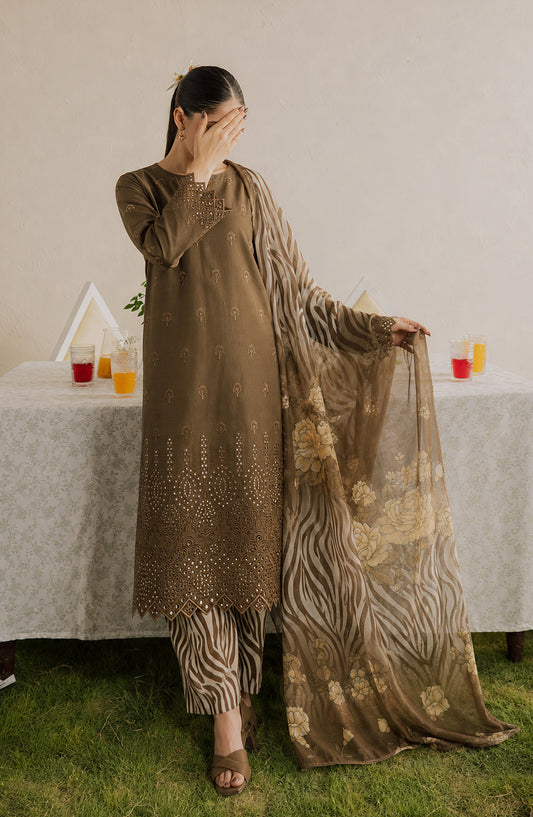
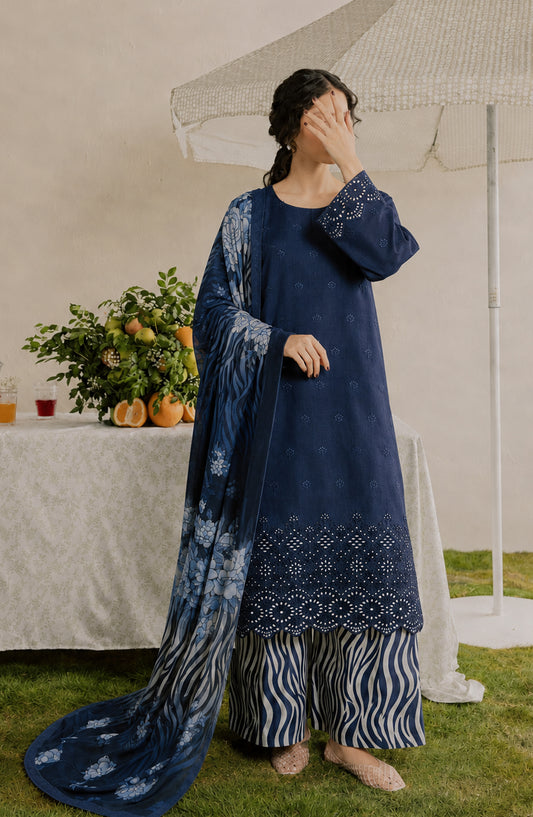
Light embellishment, by contrast, tends to breathe better and move better. It's a more forgiving choice for outdoor functions, warmer weather, or events where you'll be on your feet most of the day. If comfort is a real priority for a specific function — not just an afterthought — it's worth weighing that against how much visual impact you actually need for that particular event.
A practical middle ground many brides land on: heavy embellishment concentrated on key areas — the neckline, hemline, or dupatta — with the rest of the outfit left lighter. This gives the visual richness of heavy work without the full weight and restriction of an all-over embellished piece.
Matching Embellishment Level to Event Type
The clearest way to decide is to map embellishment level to the actual role each event plays in your wedding timeline:
-
Barat / Main wedding day: Heavy embellishment is generally expected and photographs best under stage lighting.
-
Valima / Reception: Heavy to moderately heavy work, often with a different color palette than the barat outfit.
-
Mehndi: Light to moderate embellishment, often with more color and movement-friendly detailing like tassels rather than dense stonework.
-
Nikkah: This varies by family, but light-to-moderate embellishment with elegant tailoring is increasingly common, especially for daytime or smaller nikkah ceremonies.
-
Guest attending multiple functions: Lighter embellishment is more practical across several events, since it's easier to restyle and doesn't overwhelm any single occasion.
If you're unsure, it helps to think about who's meant to notice the outfit and from what distance. Stage events with a large guest count favor heavier work that reads well from afar. Smaller, closer-knit gatherings favor lighter detailing that holds up under close-up viewing, where fine tailoring and fabric quality matter more than sheer density of embroidery.
FAQs
Q1: Is heavy embellishment always better for a wedding outfit?
No. Heavy embellishment suits large, formal events like the barat or reception, but it isn't automatically the better choice for daytime or smaller functions, where light embellishment often looks more appropriate and feels more comfortable to wear.
Q2: How much does heavy embellishment add to the weight of a wedding outfit?
It varies by technique and fabric, but dense zardozi, kundan, or layered embroidery can add noticeable weight compared to lightly worked or minimally embellished pieces, especially around the neckline and shoulders.
Q3: Can I mix heavy and light embellishment in one outfit?
Yes, and it's a common approach. Concentrating heavier work on the neckline, hem, or dupatta while keeping the rest of the outfit lighter gives visual impact without the discomfort of an all-over embellished design.
Q4: What embellishment level works best for a mehndi function?
Light to moderate embellishment tends to work best for mehndi, since the occasion usually involves movement and often brighter, more playful colors rather than the formality of the main wedding day.
Q5: Does lighter embellishment look less special than heavier work?
Not necessarily. A well-tailored outfit in quality fabric with minimal embellishment can look just as elevated as a heavily worked piece — the difference is in what stands out first, the craftsmanship of the silhouette or the density of the handwork.