












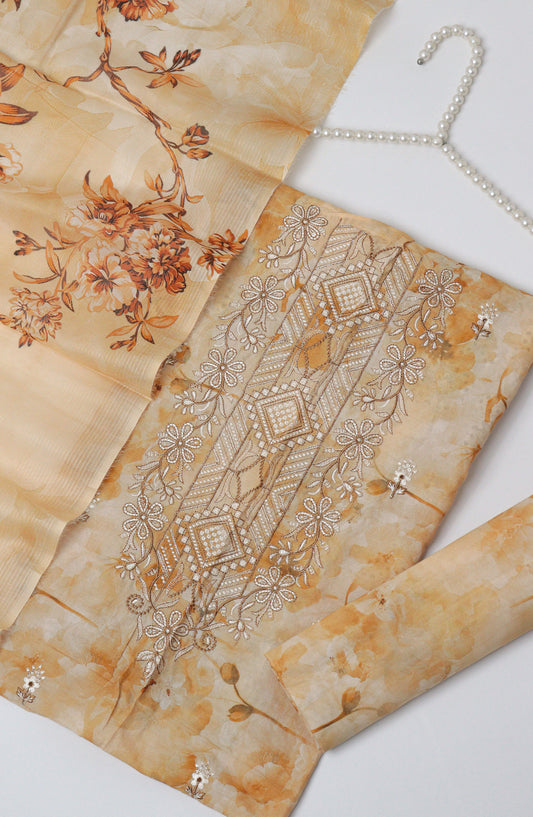

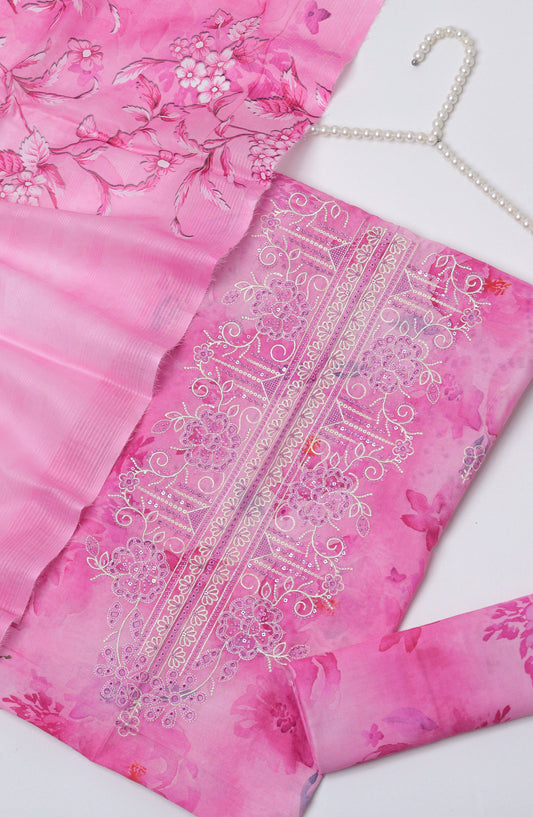

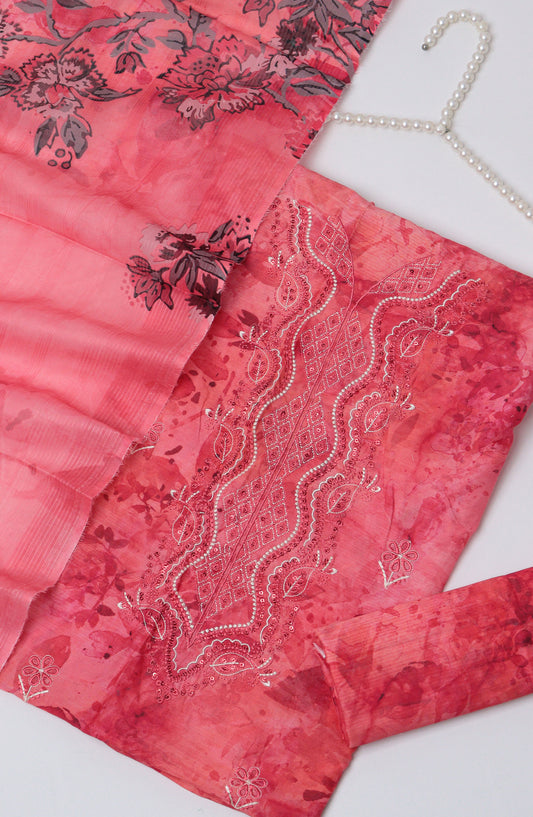

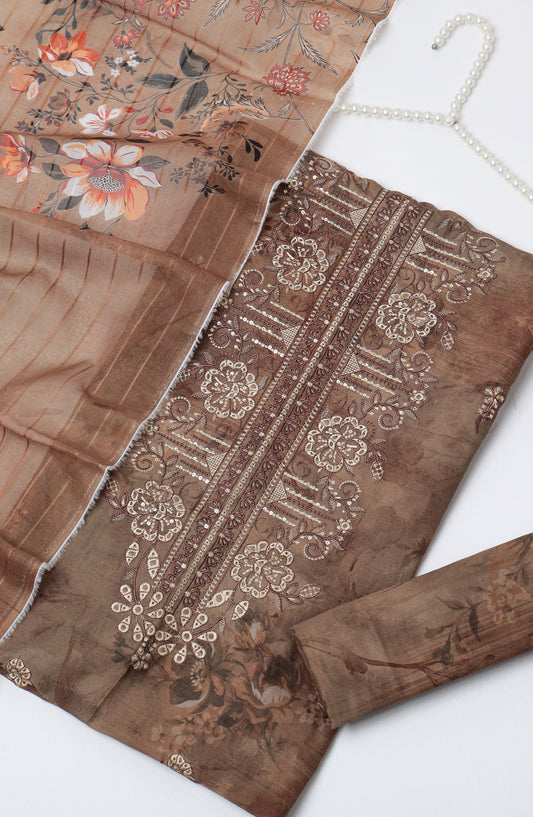





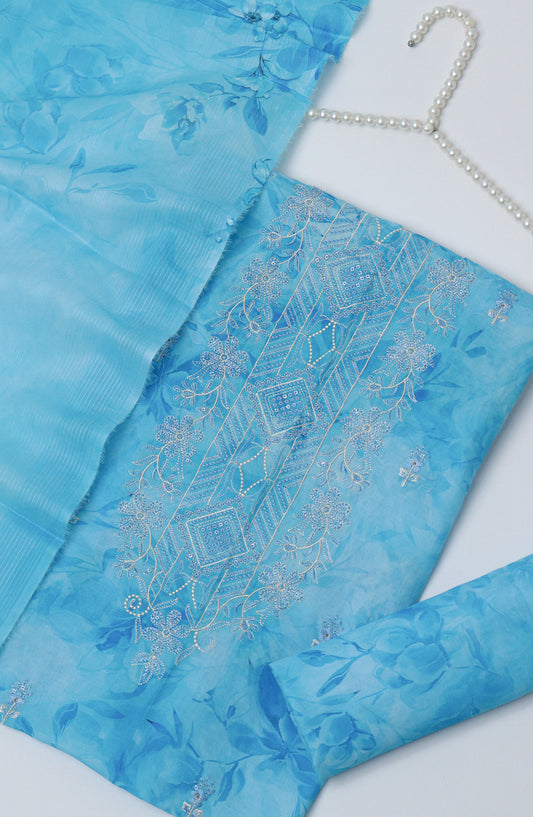

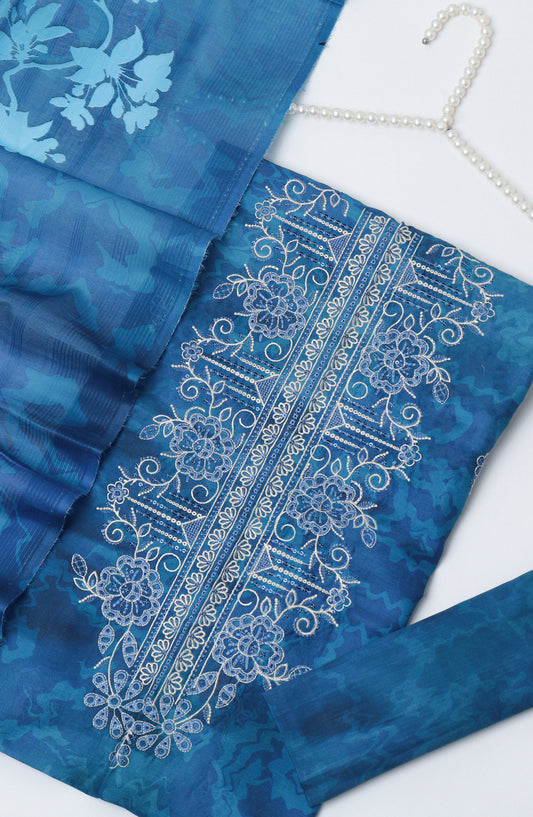

How to Style a Simple Lawn Suit for Everyday Wear
A simple, plain or lightly printed lawn suit can be styled into multiple distinct looks just by changing the dupatta, footwear, and accessories around it; you don't need a closet full of statement pieces to have variety through the season. The key is building a small, versatile base of lawn suits in neutral or easy-to-mix colors, then layering styling choices on top. Here's how to get the most mileage out of a few lawn suits without constantly buying new ones.
Building a Base Lawn Wardrobe (3 Suits, 9 Looks)
A capsule approach works well with lawn because the fabric is versatile enough to be restyled easily. Start with three suits in different but complementary base tones; for example, one white or ivory, one pastel (mint, powder blue, or blush), and one deeper neutral (olive, mustard, or terracotta). From these three pieces alone, you can build at least nine distinct looks by rotating:
-
Dupatta swaps; pair each suit with two or three different dupattas (a plain chiffon, a printed cotton, a lightly embroidered one) to change the entire mood of the outfit.
-
Bottom variations; if your suits are 2-piece, alternate between straight pants, culottes, or a flowy shalwar to shift the silhouette.
-
Layering pieces; a light waistcoat, kurta jacket, or shrug over a plain lawn suit instantly creates a new look for cooler evenings or slightly dressier settings.
The goal isn't to avoid buying new lawn altogether; it's to make sure every suit in your wardrobe earns its place by working in more than one context, rather than being a one-outfit-one-occasion piece.
Accessorizing Simple Lawn (Dupatta, Jewelry, Footwear)
Dupatta: The dupatta does more work than any other piece in restyling a simple lawn suit. A plain suit paired with a printed or embroidered dupatta looks put-together and intentional; the same suit with a contrasting solid dupatta looks clean and minimal. Keep at least one neutral (white or cream) and one statement dupatta in rotation to cover both directions.
Jewelry: For simple lawn, jewelry is where you can add personality without overcomplicating the outfit. A single statement piece; oxidized silver jhumkas, a chunky wooden bangle stack, or a beaded choker; reads better than multiple small pieces competing for attention. If the suit itself is very plain, this is where most of the "styling" effort should go.
Footwear: Flat khussas or juttis keep the look traditional and comfortable for daily wear; block heels or wedges dress the same suit up slightly for a lunch or family visit; simple sandals or mules keep it casual for errands. Footwear is often the fastest way to shift a lawn suit from "everyday" to "slightly special" without changing anything else.
Color Pairing Tips for Plain Lawn
-
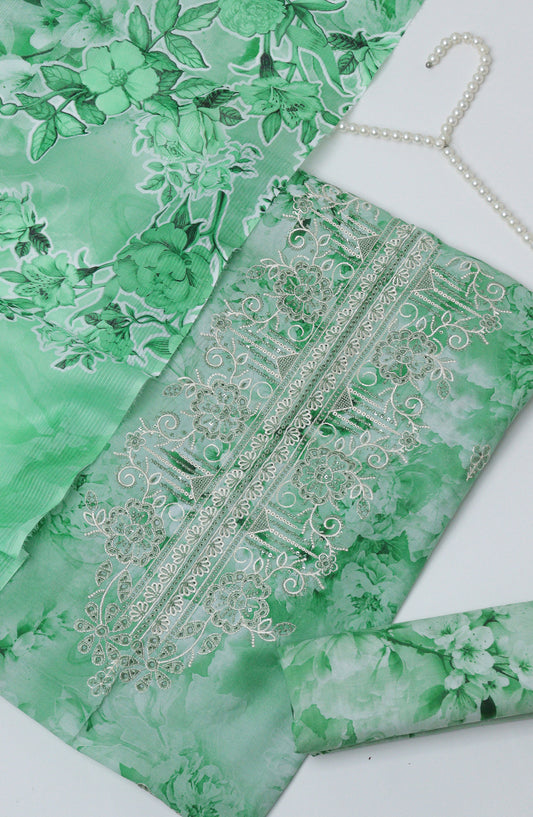
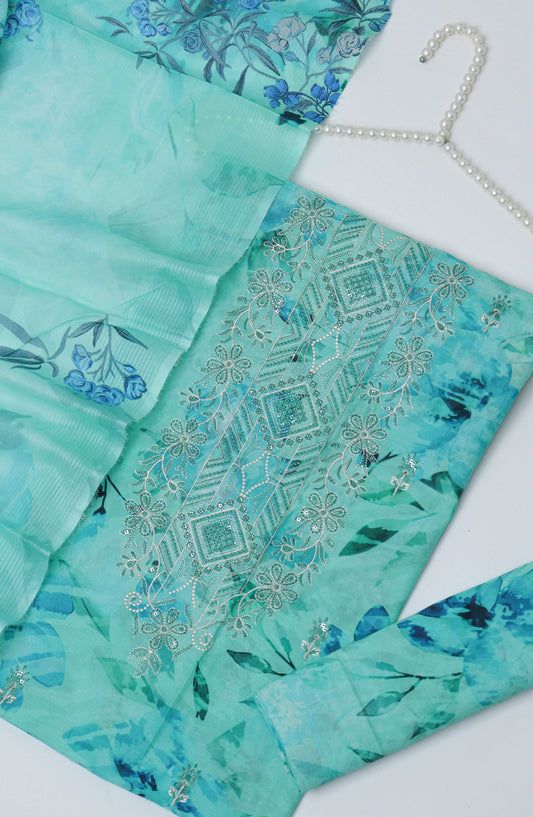
Tonal dressing (same color family, different shades; e.g., a mint suit with a sage green dupatta) creates a polished, cohesive look that photographs well and works for most casual-to-semi-formal settings.
-
Contrast dressing (a neutral suit with a bold-colored dupatta, like white with coral or mustard) adds visual interest to an otherwise simple outfit and is a good option when you want the suit to feel less plain without adding embellishment.
-
Neutral-on-neutral (ivory, beige, sand tones) is the most versatile combination for daily wear, since it pairs easily with almost any accessory color and doesn't compete with jewelry or footwear choices.
-
Avoid over-matching; a dupatta in the exact same shade as the suit can look flat; a slightly different tone in the same color family usually looks more intentional than an exact match.
As a general rule, one strong color choice per outfit; either in the suit or the dupatta, not both; keeps a simple lawn look from feeling either too plain or too busy.
Dressing Up Simple Lawn for Impromptu Outings
Plain lawn is easy to elevate quickly when plans change last minute:
-
Swap the dupatta for a heavier or embellished one; this alone can shift the outfit from "daily wear" to "presentable for a casual gathering" in seconds.
-
Add statement jewelry; a bold necklace or earrings instantly signal a more dressed-up intention, even if the suit itself hasn't changed.
-
Switch footwear; moving from flats to heels is one of the fastest ways to elevate an outfit without changing clothes.
-
Use a clutch instead of an everyday bag; small styling swaps like this read as "put together" even when you're working with the same base suit.
-
Add a light jacket or shrug; layering a structured piece over a plain lawn suit gives it a more finished, occasion-appropriate silhouette.
Keeping one or two of these "quick upgrade" items on hand; a statement dupatta, a pair of heels, a clutch; means you're never caught without an option when a simple lawn suit needs to do double duty.
FAQs
1. How many lawn suits do I need for a basic summer wardrobe?
Three to five versatile lawn suits in neutral or easy-to-mix colors are usually enough to build a full rotation of looks when paired with different dupattas, accessories, and footwear.
2. What's the easiest way to make a plain lawn suit look less basic?
Swapping the dupatta for a printed or embroidered one, and adding one statement jewelry piece, is the fastest way to elevate a plain lawn suit without buying anything new.
3. Can the same lawn suit be worn for both casual and semi-formal settings?
Yes, by changing the dupatta, footwear, and accessories, the same lawn suit can move between casual daily wear and semi-formal settings without needing to be a different outfit entirely.
4. What colors are easiest to style for everyday lawn suits?
Neutral tones like white, ivory, beige, and soft pastels are the easiest to style since they pair well with a wide range of dupattas, jewelry, and footwear colors.
5. How do I quickly dress up a lawn suit for an unplanned outing?
Change the dupatta to a dressier option, add statement jewelry, switch to heels, and carry a clutch instead of an everyday bag; these small swaps elevate the look quickly.