








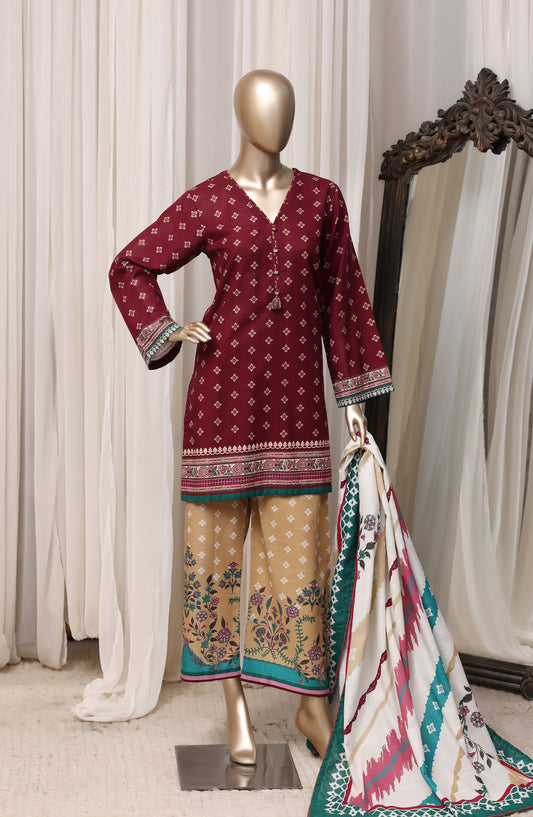

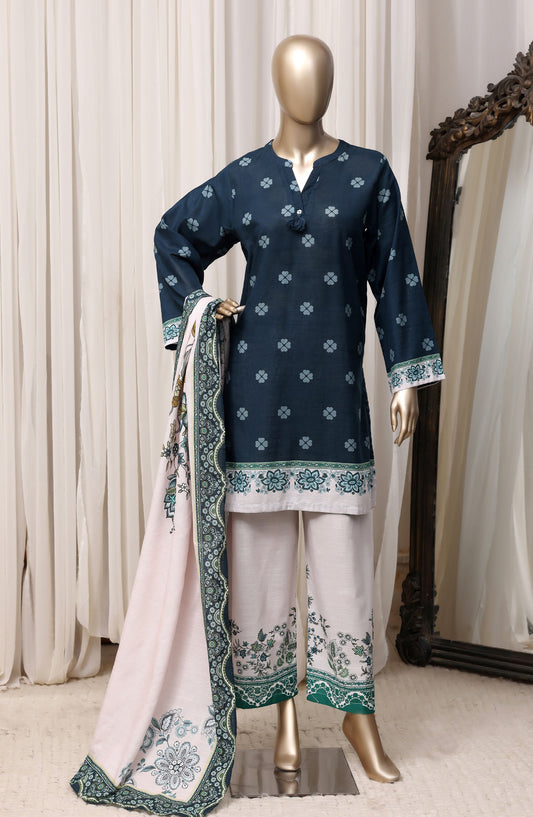

Printed vs Embroidered Lawn: Which One Should You Choose?
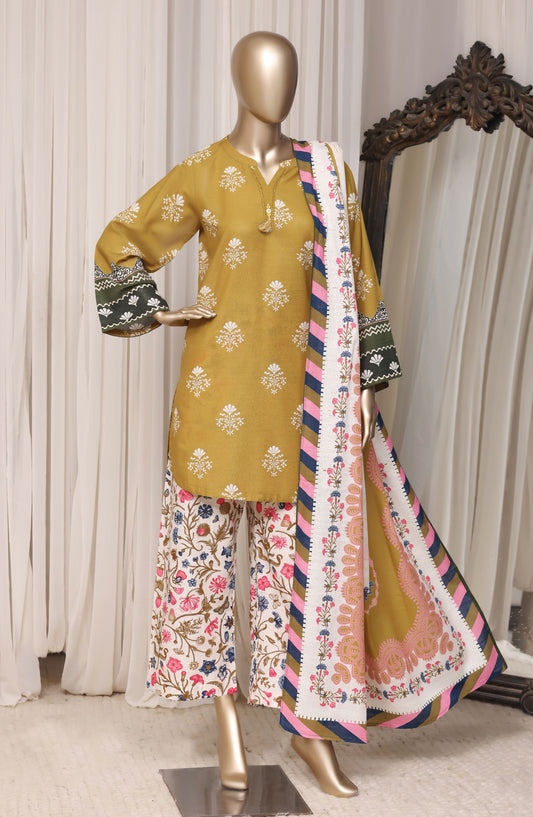
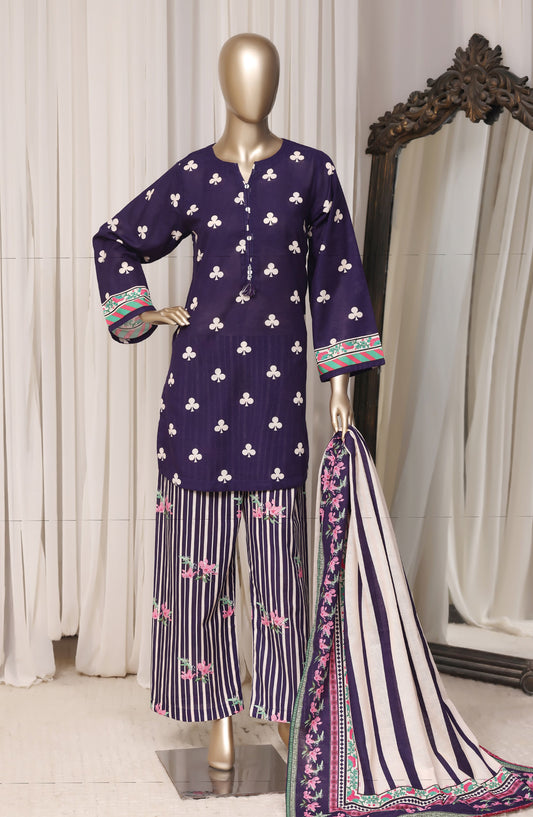
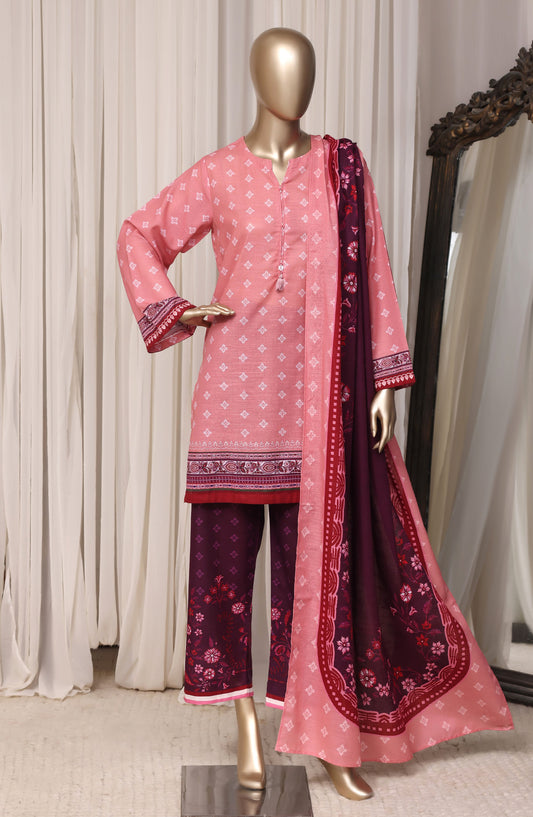
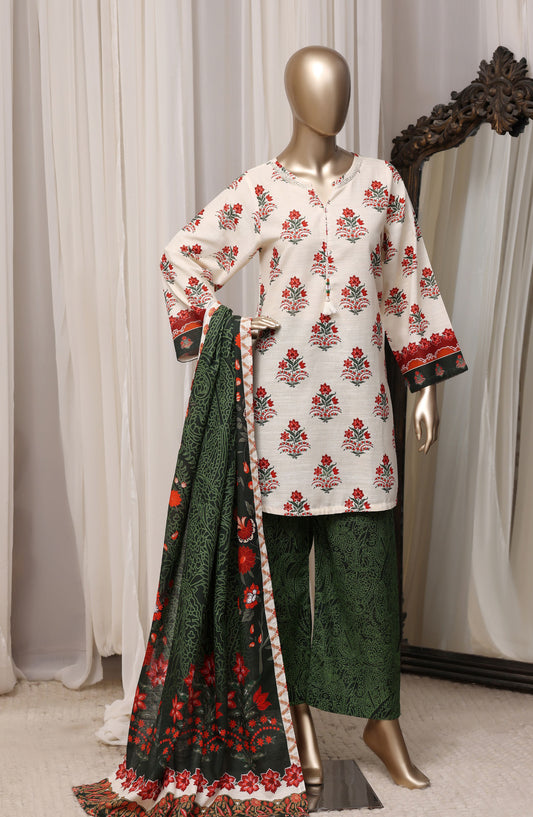
Printed lawn is the better choice if you want everyday comfort, lighter fabric, and budget-friendly pricing, while embroidered lawn is the better choice if you want a dressier, more festive look with added texture and detail. Neither is objectively "better"; the right pick depends on the occasion, your budget, and how much upkeep you're willing to put into the suit. Here's a full breakdown to help you decide before you buy from the Lawn Collection.
Printed Lawn; Pros, Cons & Best Use Cases
Pros:
-
Lighter in weight since there's no added thread work, making it more breathable for peak summer heat
-
Generally more affordable, since digital or screen printing costs less to produce than hand or machine embroidery
-
Easier to care for; printed lawn typically tolerates regular washing better than embroidered pieces, with less risk of thread snagging or loosening
-
Wider variety of patterns available, from florals to abstract and geometric prints, since printing allows for more design experimentation each season
Cons:
-
Colors can fade faster with repeated washing compared to embroidered detailing, which tends to hold its structure longer
-
Reads as more casual, so it's not always the best fit for formal or festive occasions on its own
-
Print quality varies significantly between brands; lower-grade printing can look flat or bleed at the edges
Best For: Daily wear, office wear, casual outings, and everyday errands where comfort and easy maintenance matter more than statement styling.
Embroidered Lawn; Pros, Cons & Best Use Cases
Pros:
-
Adds visible texture and dimension to the fabric, giving the suit a richer, more finished look
-
Holds up well over time; quality embroidery threads generally don't fade the way printed dyes can
-
Elevates a simple lawn suit into festive or semi-formal territory without needing heavier fabric
-
Often signals higher perceived value, since embroidery involves more labor and finer detailing
Cons:
-
Heavier and slightly warmer than plain printed lawn, since the added thread reduces some breathability
-
Requires more careful washing; hand-washing or gentle cycles are usually recommended to protect the stitching
-
Generally more expensive due to the labor-intensive nature of the embroidery process
-
Can feel like "too much" for simple daily errands or very casual settings
Best For: Eid, weddings-adjacent events, mehndis, family gatherings, and any occasion where you want your outfit to read as more put-together without moving into heavier formal fabrics.
Price Difference: Is Embroidery Worth the Extra Cost?
Embroidered lawn typically costs more than printed lawn for one straightforward reason: labor. Digital printing is a mechanized process that can produce large volumes quickly, while embroidery; even machine embroidery; requires more production time, more thread, and more quality control per piece. Hand-finished or Schiffli-style embroidery costs even more, since it involves finer, more delicate stitching techniques.
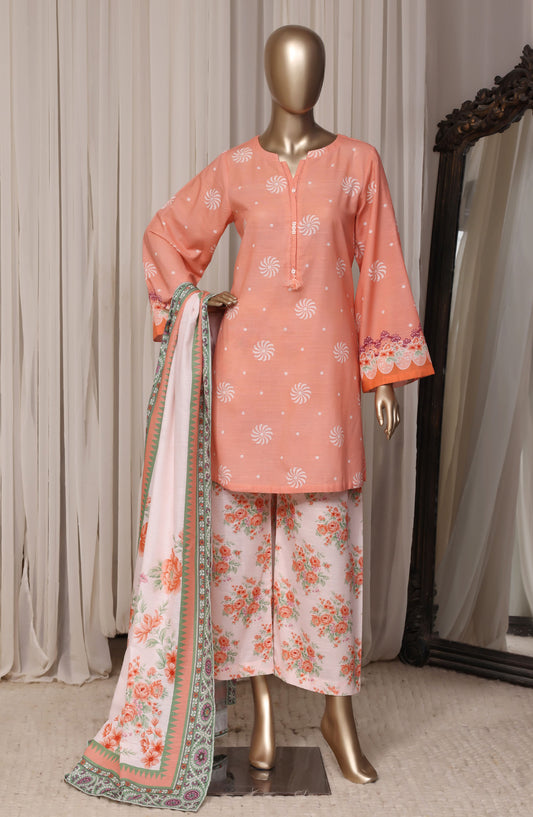
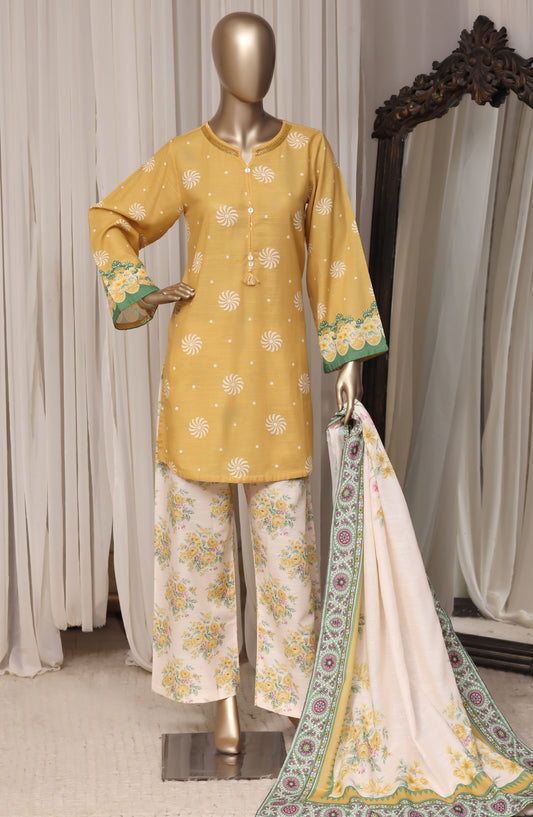
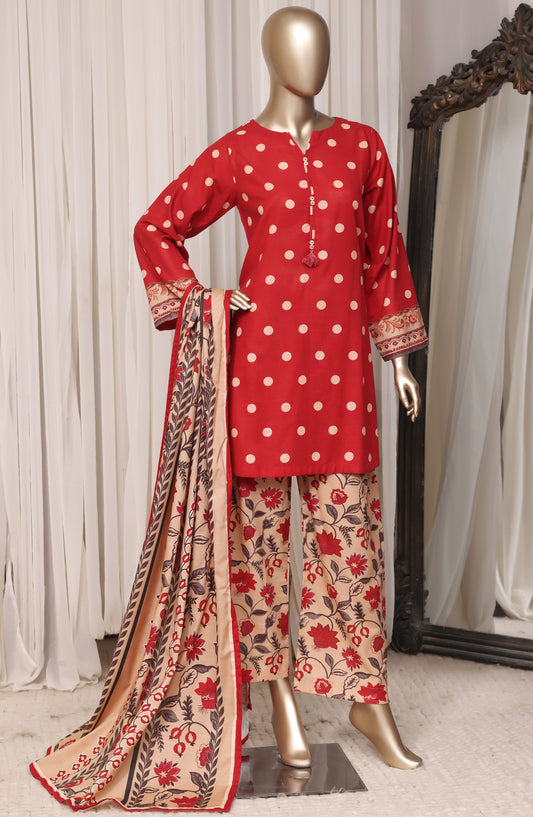
Whether that extra cost is "worth it" comes down to how you'll wear the suit. If you're buying for daily rotation; something you'll wash and wear repeatedly through the season; printed lawn gives you better value per wear. If you're buying for a specific event, a small number of high-occasion outfits, or something you want to keep looking good for several seasons, the extra cost of embroidery is usually justified by how well it holds its finish over time. A practical middle ground many buyers choose is a suit with printed fabric and placement embroidery; for example, an embroidered neckline or hem on an otherwise printed shirt; which gives a dressier look without the full embroidered price tag.
Which One Suits Your Body Type and Occasion
By Body Type:
-
Petite frames generally look best in printed lawn with smaller-scale or vertical prints, which elongate the frame; heavy all-over embroidery can visually overwhelm a smaller frame.
-
Curvier frames often benefit from embroidered pieces with placement work; embroidery concentrated at the neckline or hem draws the eye upward and creates structure without adding visual bulk the way a busy all-over print might.
-
Taller frames can carry both styles well, but bold, larger-scale prints or fuller embroidered panels tend to look more proportionate on a taller frame than they would on a petite one.
By Occasion:
-
Everyday/casual: printed lawn, 2-piece, minimal or no embellishment
-
Semi-formal/family events: printed lawn with placement embroidery, or lightly embroidered 3-piece suits
-
Festive (Eid, mehndi, celebrations): fully embroidered lawn with an organza or silk dupatta for a more elevated finish
There's no rule that says you have to pick one over the other for your whole wardrobe; most women build a lawn rotation with both, using printed pieces for daily wear and embroidered pieces for the handful of occasions each season that call for something more.
FAQs
1. Is embroidered lawn more expensive than printed lawn?
Yes, embroidered lawn is generally more expensive than printed lawn because embroidery is a more labor-intensive process, especially hand-finished or Schiffli-style work.
2. Which is better for daily wear, printed or embroidered lawn?
Printed lawn is better for daily wear since it's lighter, more breathable, and easier to wash and maintain compared to embroidered pieces.
3. Does embroidered lawn feel hotter than printed lawn?
Slightly; the added thread work in embroidered lawn reduces some breathability compared to plain printed lawn, though the difference is usually minor for placement embroidery versus all-over work.
4. Can printed lawn be dressed up for a semi-formal event?
Yes, printed lawn can be dressed up with an embroidered or embellished dupatta, statement jewelry, or heels to make it suitable for semi-formal occasions without buying a fully embroidered suit.
5. How should I wash embroidered lawn suits to make them last longer?
Hand-washing or using a gentle machine cycle in cold water, and avoiding wringing the fabric, helps protect embroidery threads and keeps the stitching intact for longer.