







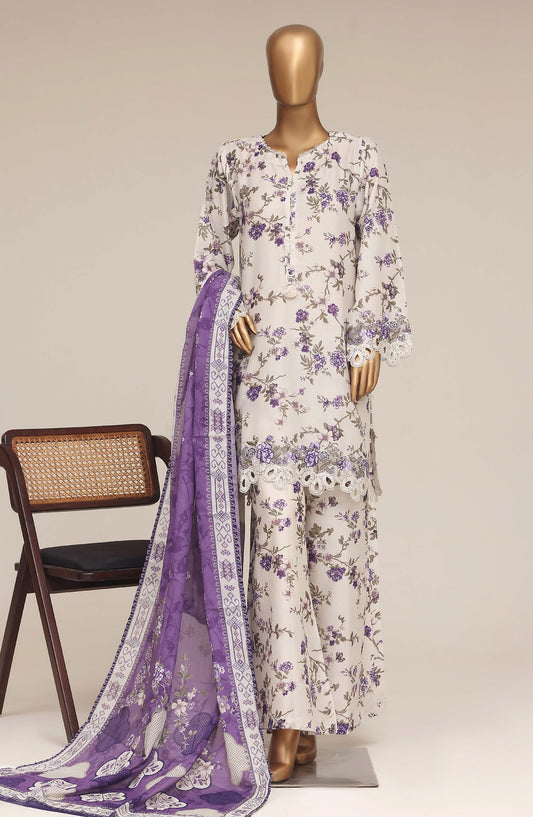

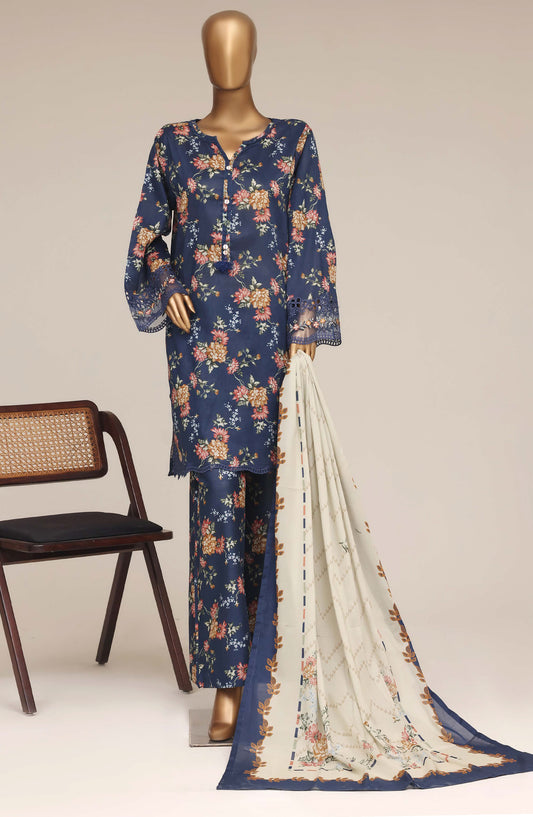

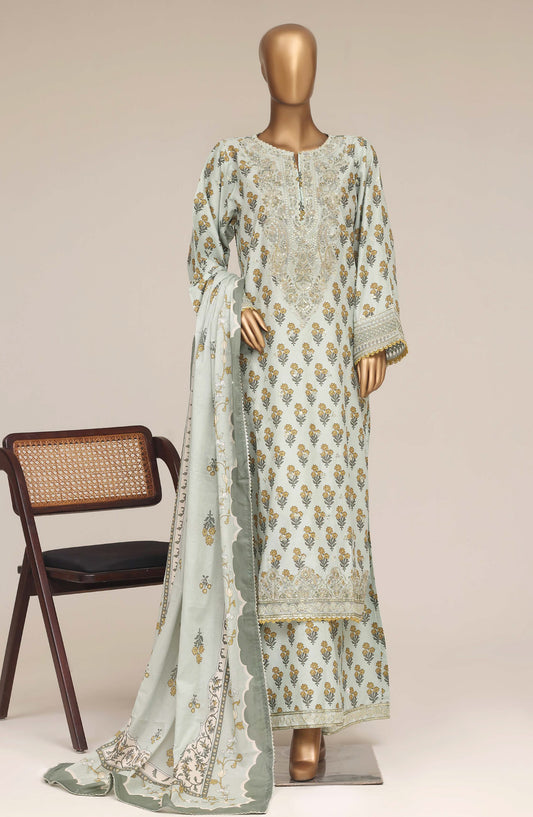

What Defines a Piece of Clothing as "Designer"?
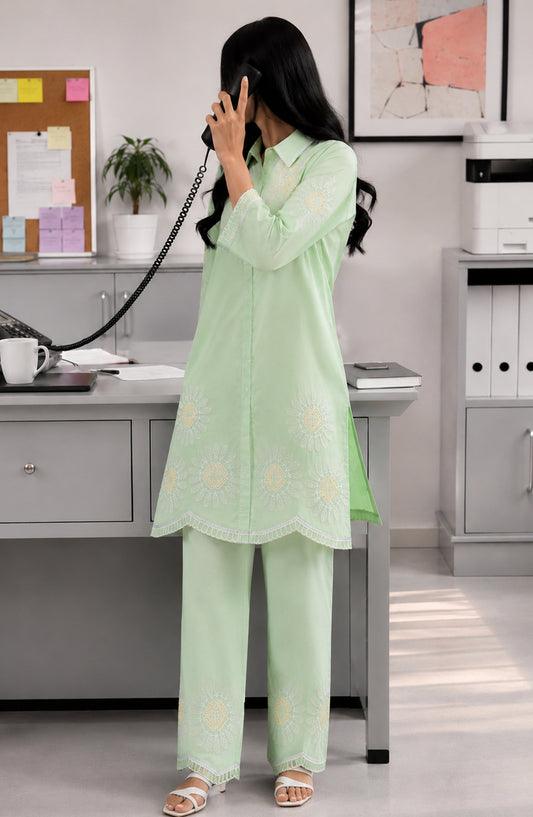
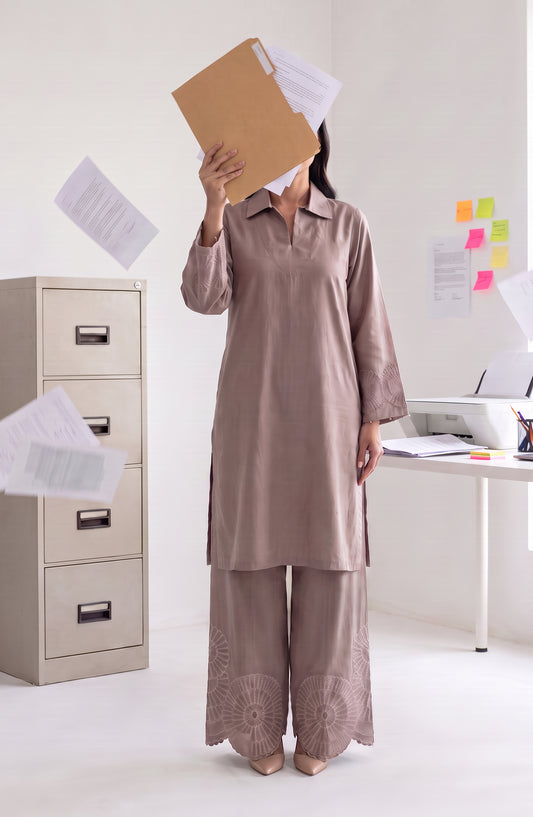
Clothing is considered "designer" when it's created under a named designer's creative direction, features original design work (prints, silhouettes, or embellishment patterns not widely replicated elsewhere), and is produced with a higher standard of fabric and craftsmanship than mass-market alternatives. It's not simply a price tag or a label; it's the combination of creative authorship, originality, and production quality that separates designer pieces from branded or local alternatives. Here's a full breakdown of what actually qualifies, so you can shop Designer Wear with a clear sense of what you're paying for.
Direct Answer: The Criteria That Make Clothing "Designer"
Four criteria consistently separate genuinely designer clothing from other tiers:
-
Creative Authorship; the piece is attributed to a specific designer or design house whose name is tied to the creative vision, not just a generic manufacturer.
-
Original Design Work; prints, silhouettes, or embellishment patterns are developed specifically for that collection, rather than replicated or lightly modified from existing designs already circulating in the market.
-
Production Quality Standards; designer pieces are typically held to tighter quality control on fabric grade, print alignment, and finishing than mass-market production, since the designer's reputation is directly tied to the finished product.
-
Limited or Seasonal Production; designer collections are usually produced in smaller, seasonal runs rather than continuous mass production, which contributes to both their exclusivity and, often, their price.
A piece needs to meet most or all of these criteria to genuinely qualify as designer; a well-made suit without any of the first two (authorship and originality) is better described as "premium" or "high-quality," not designer.
Designer vs Branded vs Local; What's the Difference
These three tiers get used almost interchangeably in casual conversation, but they mean genuinely different things:
Designer: Tied to a specific named designer or design house with creative direction over original prints, silhouettes, or embellishment work. Production tends to be smaller-scale and seasonal, with pricing reflecting both the creative IP and the craftsmanship involved.
Branded: Produced under a recognized company name, but not necessarily tied to a single named designer's original creative vision. Branded clothing focuses on consistent quality and recognizable identity across large-scale production, often prioritizing accessibility and repeatability over originality.
Local/Unbranded: Produced without a specific designer or brand identity attached; often replicating popular prints or silhouettes that are already circulating in the market, at a lower price point that reflects lower production costs and no creative licensing or original design investment.
The key distinction isn't really about quality alone (a well-made local piece can be more durable than a poorly-made designer one); it's about where the design originated and whose creative and quality standards it was held to during production.
Why Designer Pieces Cost More (Fabric, Design IP, Craftsmanship)
Three specific cost drivers explain why designer clothing commands a premium:
Design Intellectual Property: Original prints, embroidery patterns, and silhouettes require investment in design development; sketching, sampling, and refining a concept before it ever reaches production. This creative labor is baked into the final price, even though it's invisible in the finished product.
Fabric Grade: Designer collections typically use higher-grade base fabric; finer weaves, better dye quality, and more consistent finishing; since the designer's reputation depends on how the piece performs and looks, not just how it photographs.
Craftsmanship and Quality Control: From print alignment to embroidery precision to finishing details like hemming and closures, designer production generally involves more careful quality control at each stage, which requires more skilled labor and more rejected units along the way; costs that get absorbed into the final price.
Production Scale: Because designer collections are produced in smaller, limited runs rather than continuous mass production, the cost per unit is naturally higher; there's no benefit from the economies of scale that mass-market branded clothing relies on to keep prices down.
How to Evaluate If a Piece Is Genuinely Designer-Grade
Use this checklist when trying to determine if a piece actually justifies its designer positioning:
-
Check for a clearly attributed designer or design house name; genuine designer pieces are transparent about who created them, not vaguely marketed as "designer-inspired" or "designer-style."
-
Look for design originality; does the print, silhouette, or embellishment pattern look distinct, or does it closely resemble something already widely available at a lower price point?
-
Inspect the finishing closely; check print alignment at seams, embroidery stitch consistency, and how clean the hemming and closures look. Genuine designer-grade pieces hold up to close inspection; imitations often show shortcuts here.
-
Verify the seller's authenticity; buy from authorized retailers or the designer's own verified channels, since counterfeit "designer" pieces are common in the market and won't reflect the actual fabric grade or craftsmanship the name implies.
-
Consider whether the price reflects the full criteria; a fair designer price should reflect original design work, quality fabric, and careful production, not just a name attached to an otherwise ordinary piece.
FAQs
1. What's the difference between designer and branded clothing?
Designer clothing is tied to a specific named designer's original creative work, while branded clothing is produced under a recognized company name without necessarily being tied to one designer's original vision, often prioritizing consistency and scale over originality.
2. Does a higher price always mean a piece is genuinely designer?
No, price alone doesn't confirm designer status; genuine designer pieces should also show original design work, clear creative attribution, and careful craftsmanship, not just a higher price tag.
3. How can I tell if a "designer" suit I'm buying online is authentic?
Buy from authorized, verified retailers, check that the designer or design house is clearly attributed, and inspect print alignment and finishing quality closely, since counterfeit designer pieces are common online.
4. Is local unbranded clothing lower quality than designer clothing?
Not always; quality varies within every tier, but local unbranded clothing typically lacks the original design work and stricter production quality control associated with genuine designer pieces.
5. Why are designer lawn suits more expensive than regular lawn suits?
Designer lawn suits cost more due to original design development, higher-grade fabric, more rigorous quality control, and smaller, seasonal production runs, all of which add cost that mass-produced regular lawn doesn't carry.