





















Transitional Wardrobe: What to Wear Between Summer and Winter in Pakistan
A transitional wardrobe works by relying on medium-weight fabrics that breathe like summer wear but hold slightly more warmth, paired with light layering pieces that can be added or removed as the day's temperature shifts. In Pakistan, where autumn and spring often swing from a warm afternoon to a genuinely cool evening within the same day, the goal isn't finding one "perfect" fabric — it's building a small capsule that adapts.
The shoulder seasons — that stretch in September-October and again in February-March — are notoriously the hardest to dress for. Lawn feels too light once the sun sets, but khaddar or wool feels like overkill by midday. Most wardrobes end up either underprepared or full of pieces that only work for a few weeks a year. Here's how to build a transitional wardrobe that actually earns its keep.
Fabrics That Work in Both Seasons
The right fabric choice for shoulder season isn't about finding a compromise between summer and winter fabrics — it's about picking ones genuinely designed for in-between weather.
-
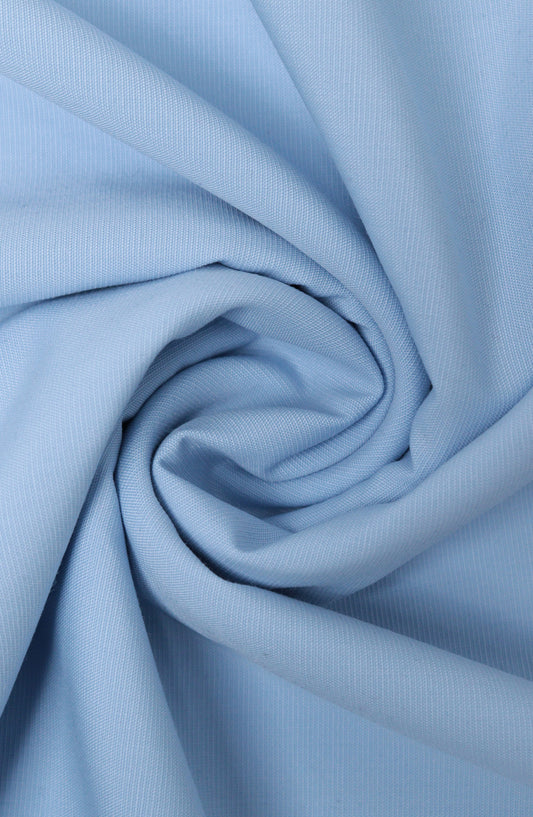
Cotton-silk blends offer a slightly warmer hand-feel than pure cotton while still breathing well, making them comfortable through a warm afternoon and a cooler evening without needing a change of outfit.
-
Light khaddar or khaddar-cotton blends work well as the weather starts cooling, offering more warmth than lawn without the full weight of pure khaddar used for peak winter pieces.
-
Cambric with a slightly heavier weave than the ultra-light summer version holds up well into early autumn, providing a bit more structure and warmth while still feeling breathable during the day.
-
Linen and linen blends are often overlooked for Pakistani wardrobes but work exceptionally well in shoulder seasons — breathable enough for midday warmth, with enough texture and body to look appropriate as evenings turn cooler.
-
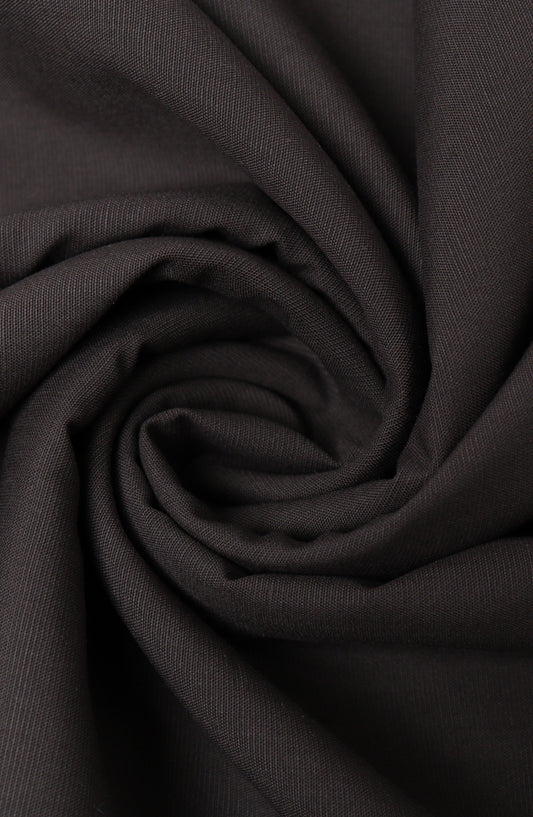
Soft, brushed cotton or flannel-cotton blends are worth introducing toward the tail end of the transitional period, bridging the gap just before true winter fabrics like karandi or wool become necessary.
The common thread across all of these is moderation — none of them are built for extreme heat or extreme cold, which is exactly what makes them the right fit for weather that itself is moderate and unpredictable.
Layering Pieces for Unpredictable Weather
Since shoulder season temperatures can shift significantly between morning and evening, layering pieces do more work in a transitional wardrobe than any single outfit choice.
-
Light shrugs and waistcoats add warmth for cooler mornings or evenings and can be removed easily once the day warms up, without disrupting the outfit underneath.
-
Denim or cotton jackets work well over simple kurta sets for daytime errands or casual outings, offering enough warmth for a mild chill without the bulk of a winter coat.
-
Printed or textured stoles are a lighter alternative to full winter shawls, adding a layer of warmth around the shoulders for cool evenings while still feeling appropriate for a daytime look if temperatures shift again.
-
Full-sleeve inner layers under sleeveless or short-sleeved kurtas offer a practical way to extend summer-cut pieces into cooler weather without needing to retire them for the season.
-
A lightweight cardigan or long-line vest pairs easily over both kurtas and 2-piece sets, making it one of the most versatile transitional layering pieces to keep on hand.
Keeping two or three of these layering pieces easily accessible — rather than packed away with winter clothing — makes it far easier to adjust to an unpredictable day without needing to plan an entirely different outfit each morning.
Building a Transitional Capsule
A well-planned shoulder-season capsule leans on a handful of adaptable pieces rather than a large, season-specific wardrobe that only gets a few weeks of wear.
-
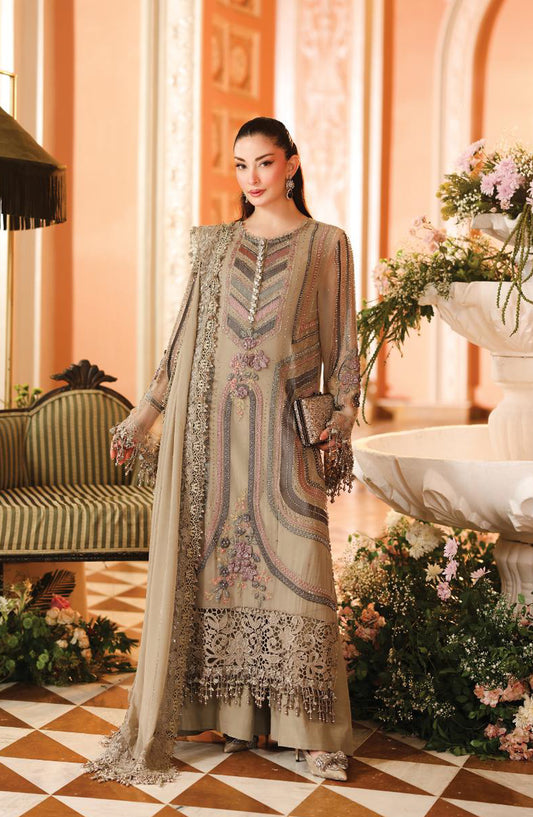
Two to three medium-weight 2-piece or 3-piece sets in cotton-silk or light khaddar blends form the foundation — versatile enough to wear alone on warmer days or layered on cooler ones.
-
One or two solid kurtas in a mid-weight fabric that pair easily with both jeans and matching bottoms, offering flexibility across casual and slightly dressed-up occasions.
-
A rotation of two to three layering pieces — a shrug, a jacket, and a stole — that can be mixed and matched across the core sets to adapt to the day's actual weather rather than the calendar.
-
A couple of richer-toned pieces for early festive or family events, since shoulder season often overlaps with the start of wedding and festive season, before the wardrobe fully shifts to winter formalwear.
-
Footwear that bridges both seasons — closed-toe flats or low block heels tend to work better across shoulder season than open sandals or heavy boots, which lean too far toward one season or the other.
Building around this kind of adaptable core means fewer pieces sit unused for most of the year, and more of the wardrobe earns its place across a genuinely wide temperature range.
Shopping the Shoulder Season Smartly
Shoulder season shopping tends to go wrong in one of two ways — buying too far ahead into full winter weight, or holding onto summer pieces too long and getting caught underprepared. A few habits help avoid both.
-
Shop slightly ahead of the weather, not after it turns. Transitional pieces tend to be more available and better stocked just before the season shift, rather than once the cold has already set in and demand has moved to heavier winter fabrics.
-
Prioritize versatility over trend pieces. A well-made cotton-silk 3-piece in a wearable color will get more use across shoulder season than a highly specific, trend-driven piece that only suits a narrow style or occasion.
-
Invest in layering pieces before adding more core outfits. A good shrug or jacket extends the life of existing summer pieces further into the cooler months, often making more practical sense than buying entirely new transitional outfits.
-
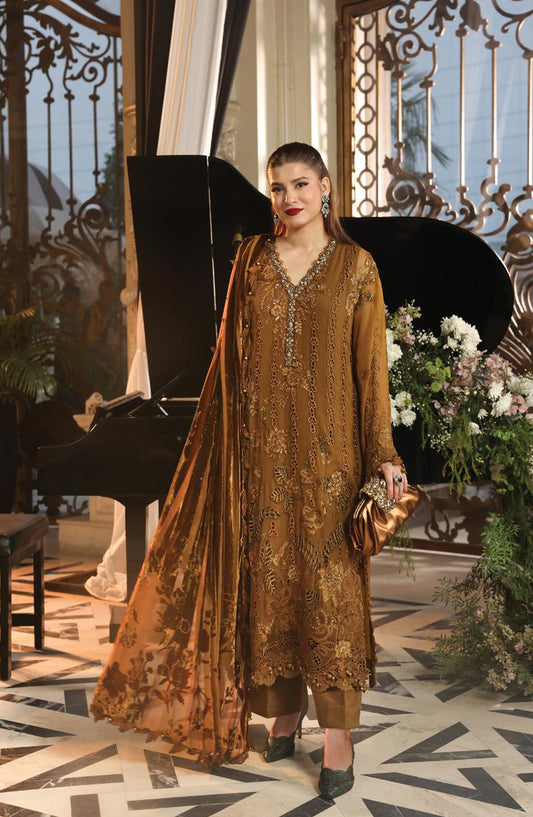
Choose colors that carry into winter, not just shoulder season. Deeper mid-tones — rust, olive, burgundy — transition more naturally into winter styling than very light or bright summer shades, extending the useful life of each piece.
-
Don't over-invest in a narrow window. Shoulder season typically lasts a matter of weeks, not months — a small, well-chosen capsule serves the purpose better than a large wardrobe built around a short-lived weather window.
Explore fabric-appropriate pieces for the season ahead in our winter wear collection, where lighter khaddar and mid-weight options are grouped for easy shoulder-season shopping.
FAQs
1. What's the biggest mistake people make with transitional wardrobes in Pakistan?
Waiting too long to shop for the season, which means settling for whatever's left in stock once true winter fabrics have taken over shelf space, often at the expense of genuinely versatile shoulder-season pieces.
2. Can lawn suits still be worn during shoulder season?
Yes, especially during the warmer part of the day, paired with a light jacket, shrug, or stole for cooler mornings and evenings — lawn doesn't need to be retired entirely the moment temperatures start to dip.
3. Is khaddar too heavy for early shoulder season?
Lighter khaddar or khaddar-cotton blends work well even in early shoulder season, while heavier, denser khaddar is better saved for once temperatures have dropped more consistently.
4. How many layering pieces do I actually need for shoulder season?
Two to three versatile pieces — a shrug, a light jacket, and a stole — are usually enough to adapt a small core wardrobe to shifting daily temperatures without needing a large separate collection.
5. What colors work best for a transitional wardrobe?
Mid-tones like rust, olive, mustard, and burgundy tend to work well, since they feel appropriate for both the tail end of summer styling and the early weeks of winter, unlike very bright summer shades or very deep winter tones.