



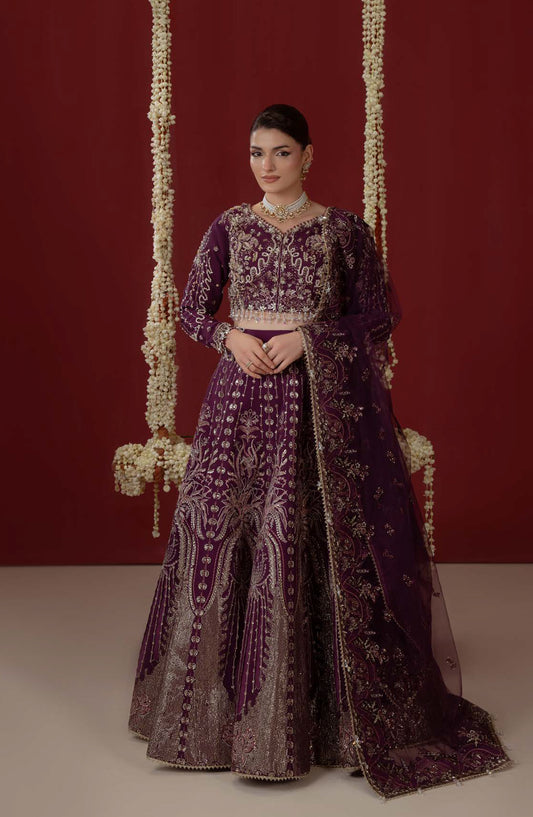

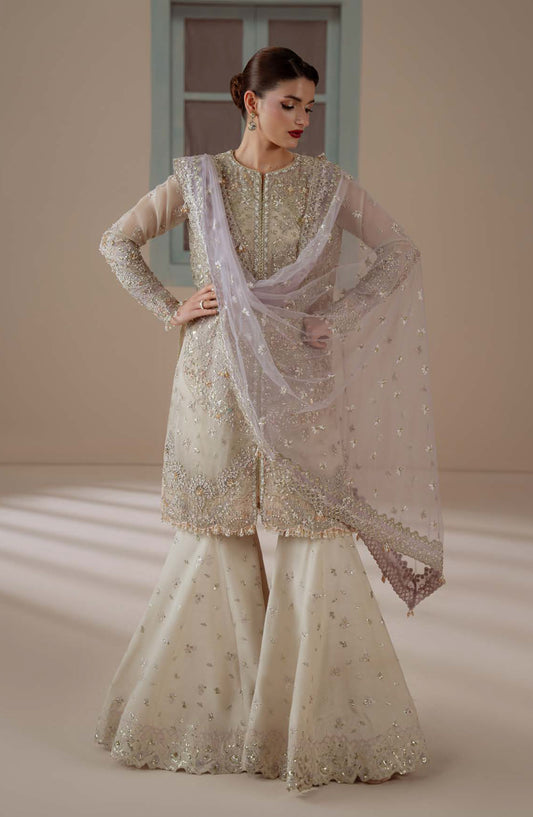

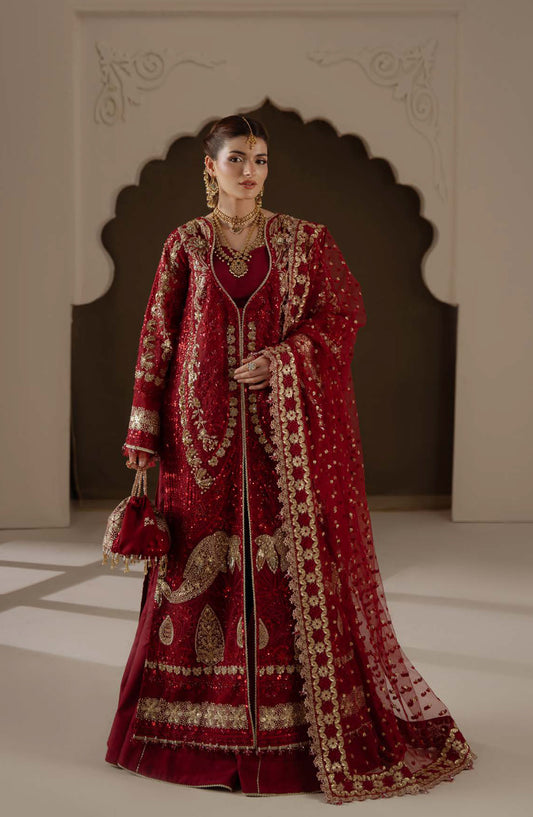

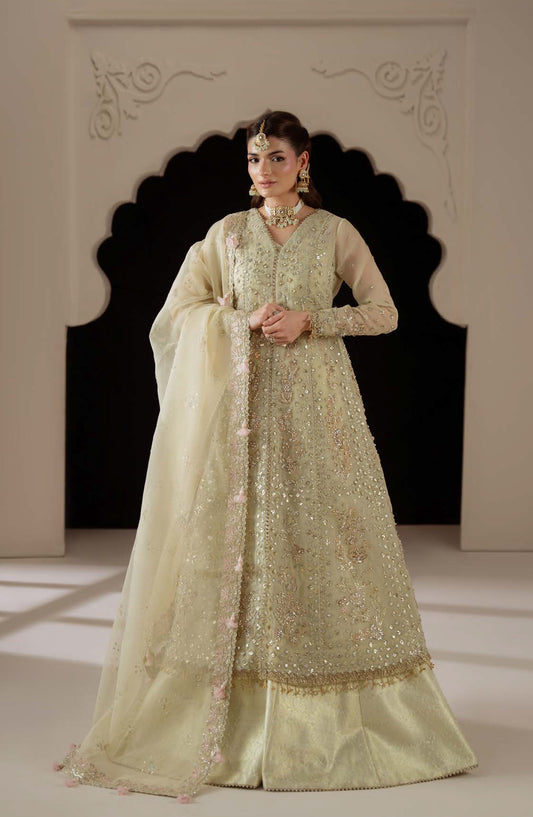

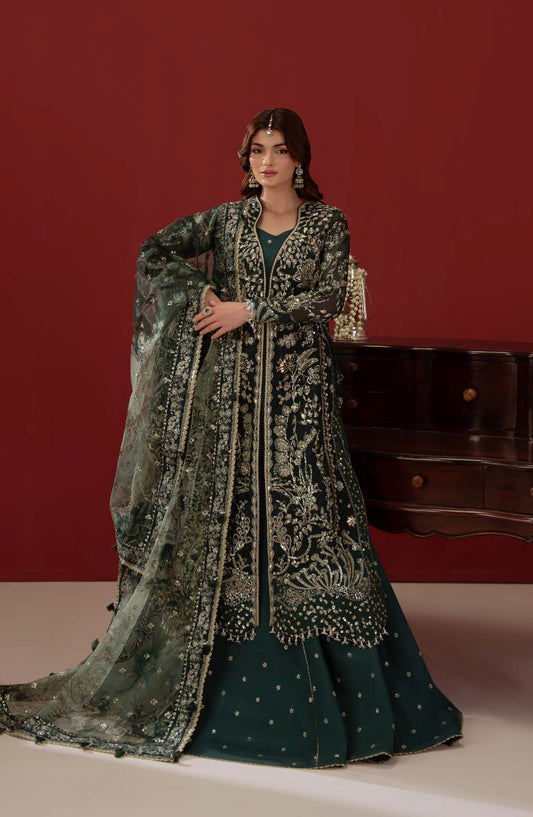

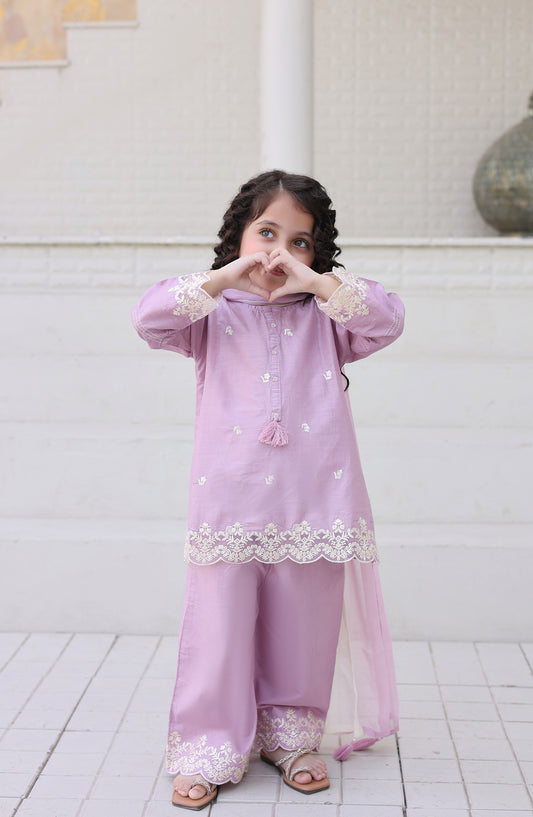

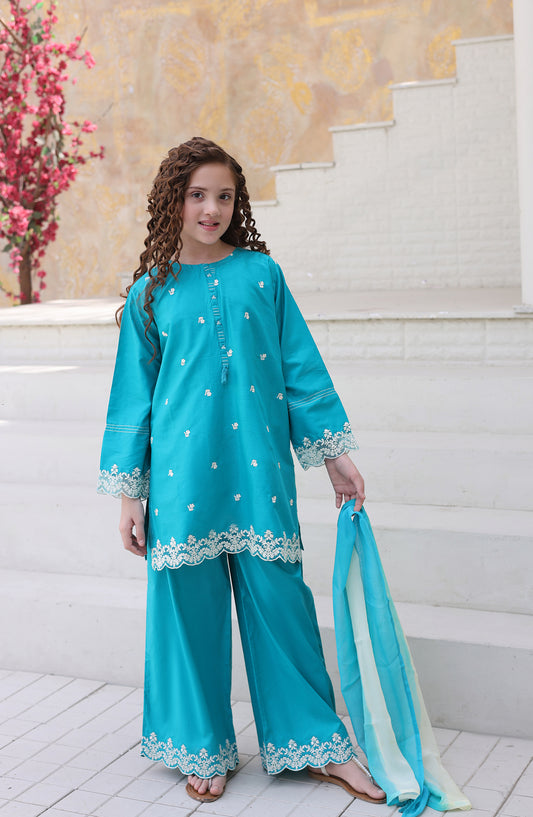

What Defines a Ready-to-Wear Collection? (Pret Explained)
A ready-to-wear collection — commonly called "pret" — is clothing manufactured in standard sizes and sold as-is, without the fitting sessions, custom measurements, or made-to-order timelines that come with tailored or couture pieces. It's designed for immediate purchase and wear, prioritizing consistent sizing, faster production, and everyday practicality over the individualized fit of a custom-stitched outfit. If you're trying to understand where ready-to-wear fits between casual staples and bridal couture, the short answer is: it's the middle ground built for speed, accessibility, and repeatable quality.
The term gets used loosely, though, which is why it's worth breaking down exactly what separates pret from custom tailoring and couture — and why that distinction actually matters when you're deciding what to buy.
Ready-to-Wear vs Custom vs Haute Couture
Ready-to-wear sits at one end of a spectrum defined by how much of the garment is built around one specific body versus a standard size range. Pret outfits are cut and finished in predetermined sizes — small, medium, large, or numeric equivalents — using patterns designed to fit a broad range of bodies reasonably well, without individual fitting sessions.
Custom or made-to-measure tailoring sits in the middle. Here, a base pattern is adjusted to an individual's specific measurements, often requiring one or more fittings before the final garment is finished. This gets a closer fit than pret but takes considerably longer and typically costs more due to the individualized labor involved.
Haute couture sits at the far end — fully custom, hand-finished, often designed and constructed from scratch for a single client, with extensive fitting sessions and premium materials throughout. It's the slowest, most expensive, and most individualized category, generally reserved for bridal wear or high-formal occasions where fit and exclusivity matter more than speed or accessibility.
The core trade-off across all three is the same: the more individualized the garment, the longer it takes and the more it costs, while ready-to-wear trades some fit precision for speed, consistency, and affordability.
How Pret Collections Are Designed and Sized
Pret collections start with standardized size charts, usually built from aggregated body measurement data across a target market. Designers create a base pattern for each style, then grade that pattern up and down across the full size range — a process that adjusts proportions consistently so a medium and a large of the same design maintain the same overall silhouette, just scaled differently.
Because pret is manufactured in batches rather than piece by piece, quality control happens at the pattern and production stage rather than through individual fittings. This means the cut, stitching, and finishing need to be right across an entire production run, which is why reputable pret brands invest heavily in pattern accuracy — a small error at this stage gets multiplied across every unit produced from that pattern.
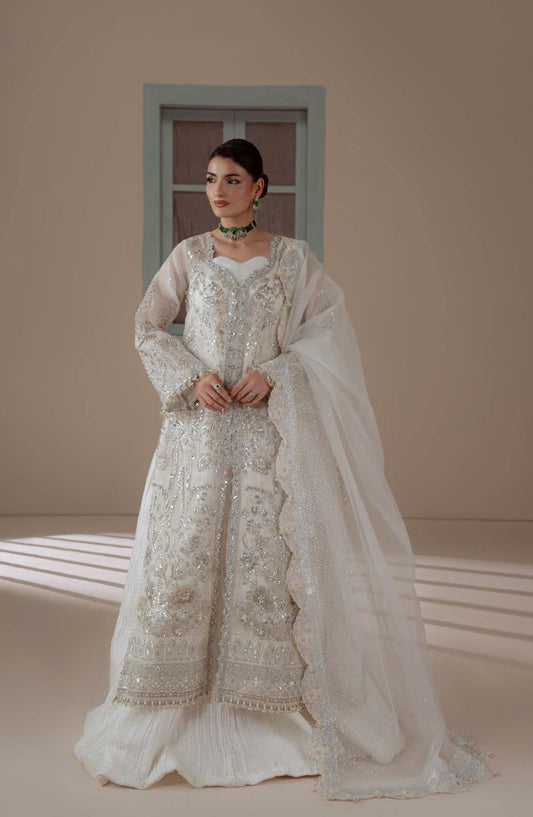
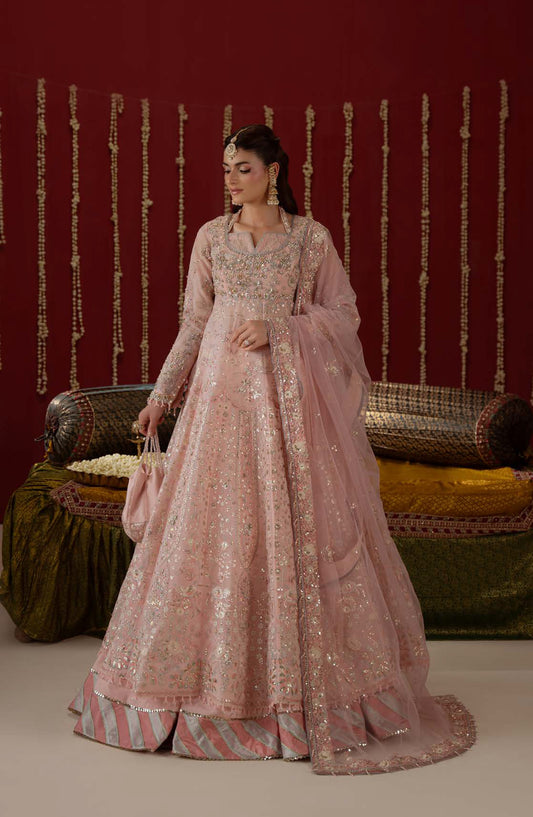
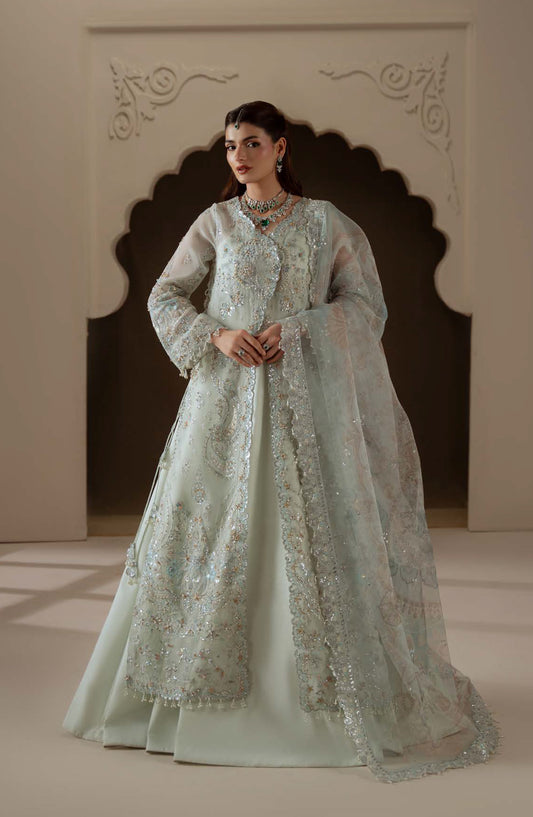
Sizing in pret collections also tends to prioritize practical, everyday proportions over the more dramatic silhouettes sometimes seen in custom bridal wear — fuller lehenga flares or heavily structured bodices are harder to standardize across sizes, which is part of why pret collections lean toward silhouettes like straight-cut kurtas, A-line suits, and semi-fitted formals that translate more consistently from size to size.
Why Ready-to-Wear Has Grown in Pakistan
Ready-to-wear has expanded significantly in Pakistan's fashion market over the past decade, driven largely by a shift in how people shop for everyday and semi-formal clothing. Where custom tailoring was once the default for nearly every outfit, growing demand for convenience — particularly among working women with less time for multiple tailor visits — has pushed pret from a niche category into a mainstream one.
E-commerce has played a significant role in this shift too. Buying pret online removes the geographic limitation of needing a tailor or boutique nearby, letting shoppers across cities and even internationally access the same collections at the same time. This also means pret brands can launch collections seasonally and at scale, matching the pace of how people now expect to shop for clothing.
Price consistency is another factor. Because pret sizing removes the variable cost of individual fittings and adjustments, brands can offer more predictable pricing across a collection, which appeals to shoppers who want to know the cost upfront rather than after a fitting reveals additional tailoring charges.
What to Expect When You Buy Pret Online
Expect standard sizing based on published measurement charts rather than a fitting session — this means checking the brand's size chart carefully against your own measurements before ordering is the single most important step in getting a good fit from pret shopping. Most reputable brands provide detailed chest, waist, and length measurements per size rather than relying on generic small-medium-large labels alone.
Expect faster turnaround than custom tailoring, since pret pieces are already manufactured and typically ship within a standard delivery window rather than requiring weeks of stitching time. This makes pret a practical choice when you need an outfit within a specific, shorter timeframe rather than months in advance.
Expect some flexibility around minor alterations even with pret. Most pret outfits can still be taken in or let out slightly by a local tailor if the fit isn't exact, since pret garments generally include standard seam allowances — though dramatic resizing across more than one size range usually isn't realistic without compromising the garment's original proportions.
Expect consistent quality within a size run from established pret brands, since the whole model depends on the pattern and production process being reliable across every unit — this is different from a one-off custom piece, where quality depends heavily on a single tailor's individual execution.
FAQs
Q1: What does "pret" mean in Pakistani fashion?
Pret is short for prêt-à-porter, the French term for ready-to-wear, referring to clothing made in standard sizes and sold ready to buy and wear immediately, without custom fitting.
Q2: Is ready-to-wear the same as unstitched fabric?
No, ready-to-wear refers to fully stitched, finished garments in standard sizes, while unstitched fabric is sold as yardage for a tailor to cut and stitch according to individual measurements.
Q3: Can pret outfits be altered for a better fit?
Yes, most pret garments include standard seam allowances that allow for minor alterations like taking in or letting out at the sides, though significant resizing beyond one size range is generally not practical.
Q4: Why is ready-to-wear usually more affordable than custom tailoring?
Pret is manufactured in batches using standardized patterns, which removes the individual labor cost of fittings and custom adjustments, making it more affordable and faster to produce than made-to-measure or couture pieces.
Q5: How do I choose the right pret size when shopping online?
Compare your own body measurements against the brand's published size chart rather than relying on generic size labels alone, since sizing standards can vary between brands even within the same size category.