



















Organza Suits Guide: Structure, Shine & When to Wear Them
Organza is a crisp, sheer, lightweight fabric woven from silk or synthetic yarns that holds its shape without needing heavy lining, giving it a distinctive structured drape and a natural sheen that catches light differently than softer fabrics like chiffon or georgette. It's best suited to formal and semi-formal occasions — receptions, festive gatherings, and dressier daytime events — where its stiffness and shine can do the work a heavier, more embellished fabric might otherwise do. If you're weighing organza suits against other fabric options, the deciding factor usually comes down to how much structure and shine you want the outfit to carry on its own.
Organza has a reputation for being tricky to style, mostly because people treat it like chiffon or silk and end up disappointed with how it falls. It behaves differently, and once you understand why, it becomes one of the more versatile fabrics in a festive wardrobe.
What Makes Organza Different (Structure, Sheen, Weight)
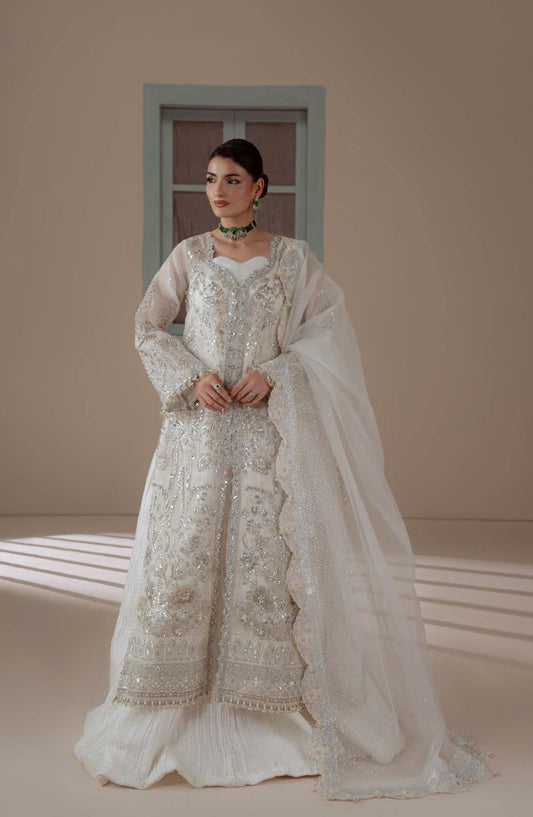
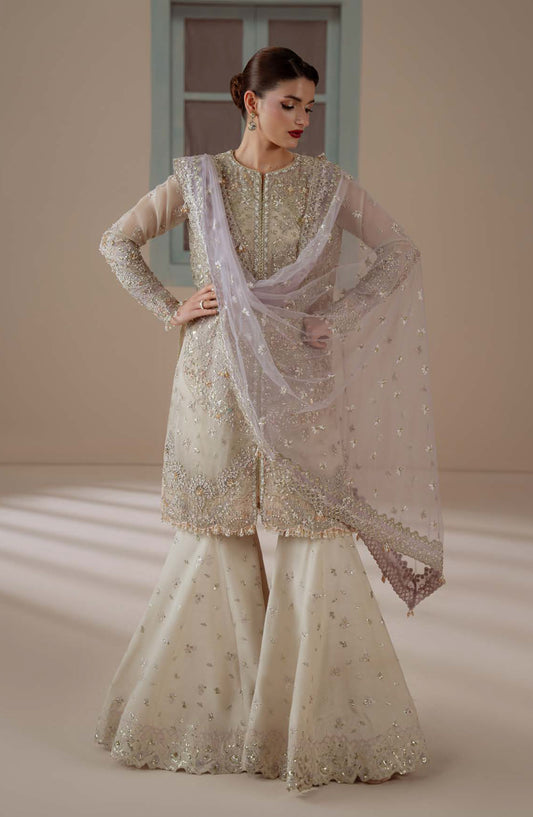
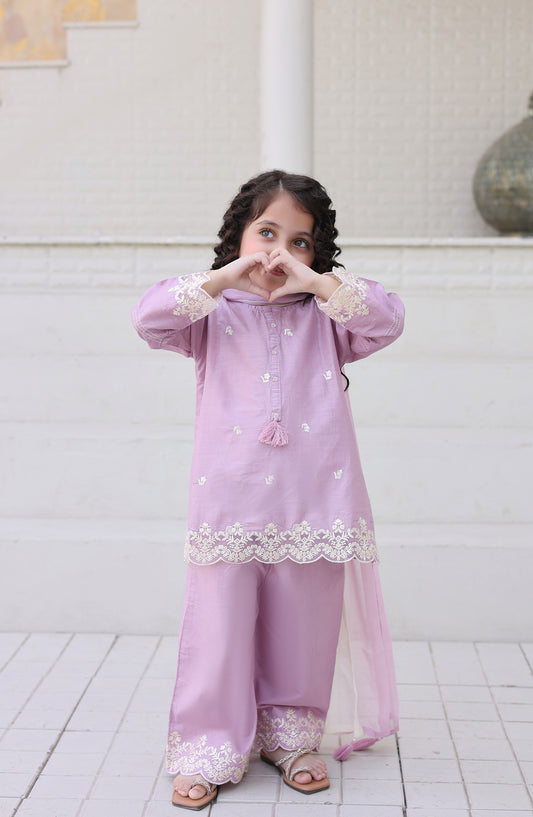
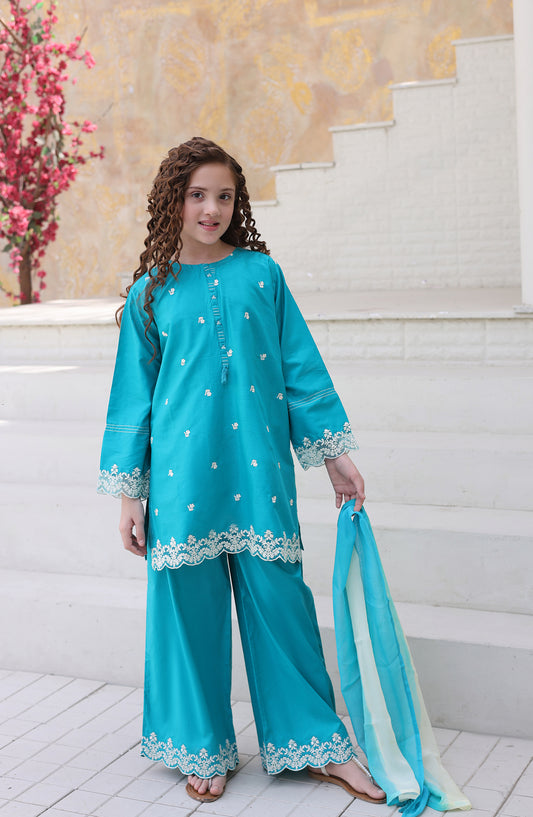
Organza's defining trait is its stiffness. Unlike chiffon or georgette, which drape softly and cling to the body's movement, organza holds its own shape — it stands away from the body slightly, which is exactly what gives it that structured, almost architectural look in flared kurtas, layered dupattas, and voluminous sleeves. This structure comes from a tight, plain weave that leaves very little slack in the fabric, which is also why organza doesn't crease as easily as softer sheers.
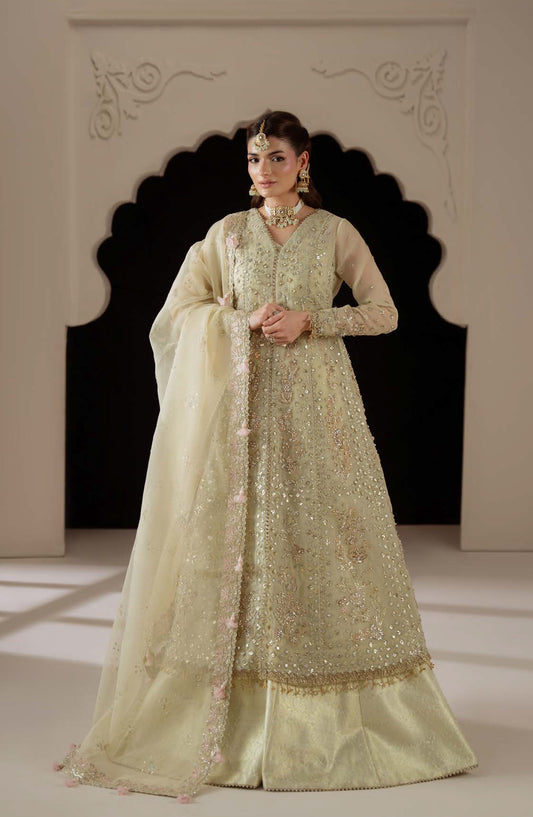
The sheen is the second defining feature. Organza has a subtle, almost glass-like shine that shifts depending on the light and the angle of the fabric — this is different from the matte sparkle of sequin work or the flat shine of satin. It's a quieter kind of luminosity, which is part of why organza outfits often look elevated even with minimal embellishment.
Weight is where organza surprises people. Despite its crisp structure, it's actually a lightweight fabric — often lighter than chiffon per layer, since the stiffness comes from the weave rather than fabric density. This combination of structure and low weight is what makes organza comfortable to wear for long stretches, even in layered or voluminous designs that would feel heavy in a denser fabric.
Best Occasions for Organza
Organza works best in settings where its sheen and structure can actually be seen and appreciated — well-lit indoor events, formal daytime functions, and receptions where guests are dressed up but the occasion doesn't call for full bridal weight. A reception, an engagement lunch, or a festive Eid gathering are all strong fits for an organza suit, since the fabric reads as dressy without tipping into full wedding-formal territory.
It also performs well for semi-formal daytime events — think a dholki held indoors, a bridal shower, or a nikkah — where you want something that photographs beautifully but doesn't carry the weight or intensity of a heavily embellished bridal outfit. The natural shine of organza does a lot of visual work on its own, so it suits occasions where you want the outfit to feel special without relying on dense embroidery.
Organza is less suited to very casual, everyday wear or outdoor events with a lot of movement — its crispness, while flattering for structured silhouettes, isn't the most comfortable choice for a long day of walking or sitting on the ground, as is common at some outdoor mehndis or casual family gatherings.
Styling Tips for Organza Suits
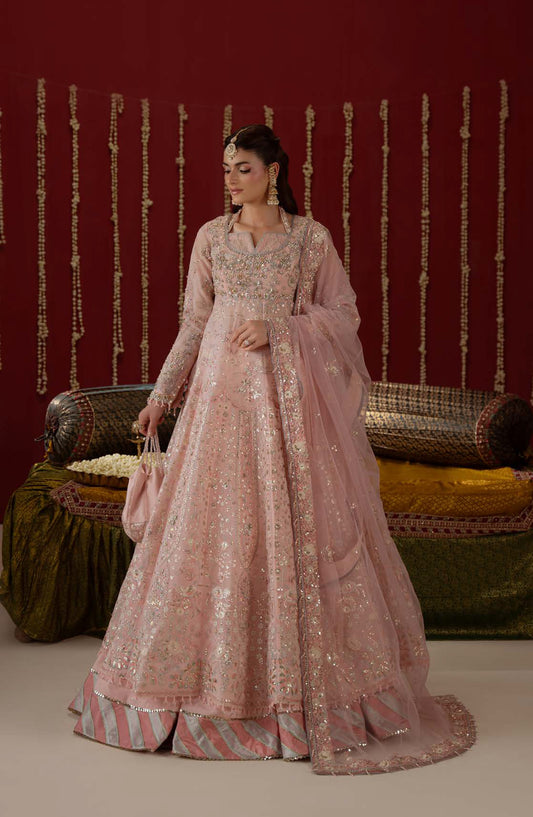
Let the fabric's structure lead the silhouette. Organza works exceptionally well in A-line or flared kurtas, where the fabric's natural stiffness creates volume and movement without needing extra layering underneath. Trying to force organza into a very fitted, body-hugging cut usually fights against what the fabric does best, so it's worth choosing silhouettes that lean into the drape rather than against it.
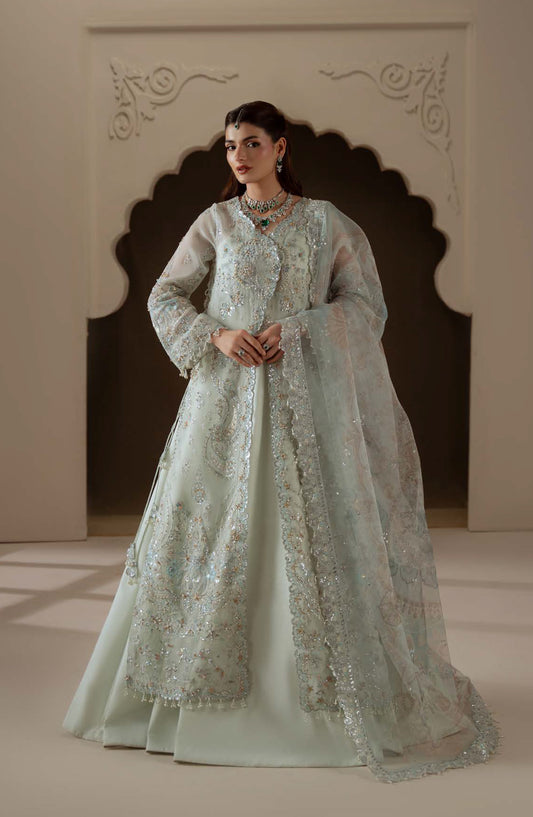
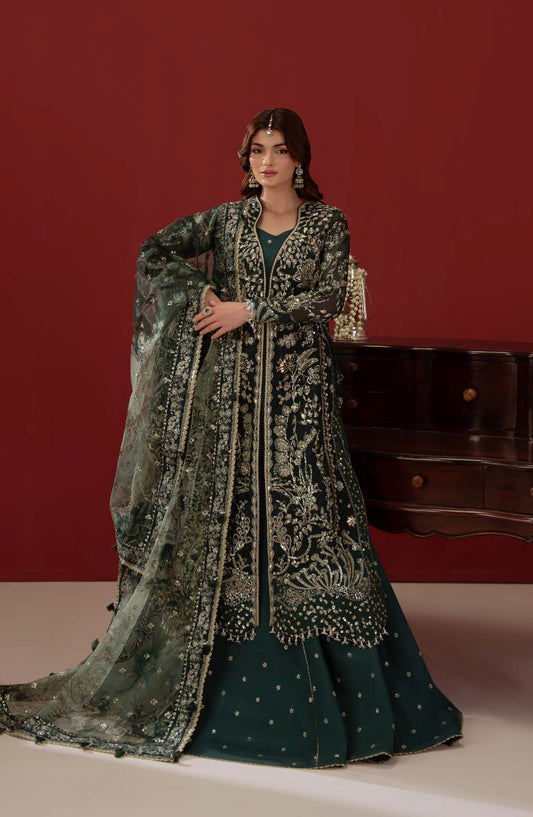
Layering is where organza truly stands out. A double-layered organza dupatta, or a kurta with an organza overlay atop a plain lining, adds dimension and depth that a single-layer chiffon simply can't replicate. The sheerness of organza also makes it a natural choice for dupattas even when the rest of the outfit is in a different fabric — an organza dupatta over a raw silk or cotton suit adds shine without overwhelming the base outfit.
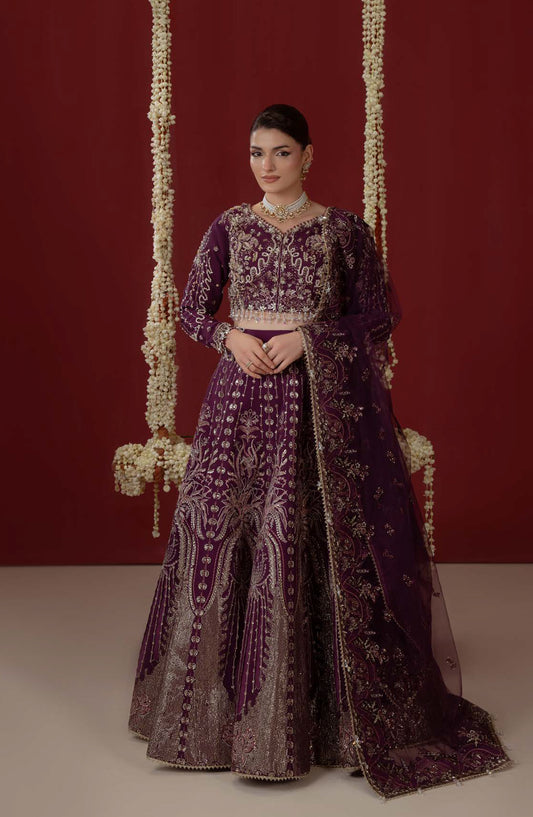
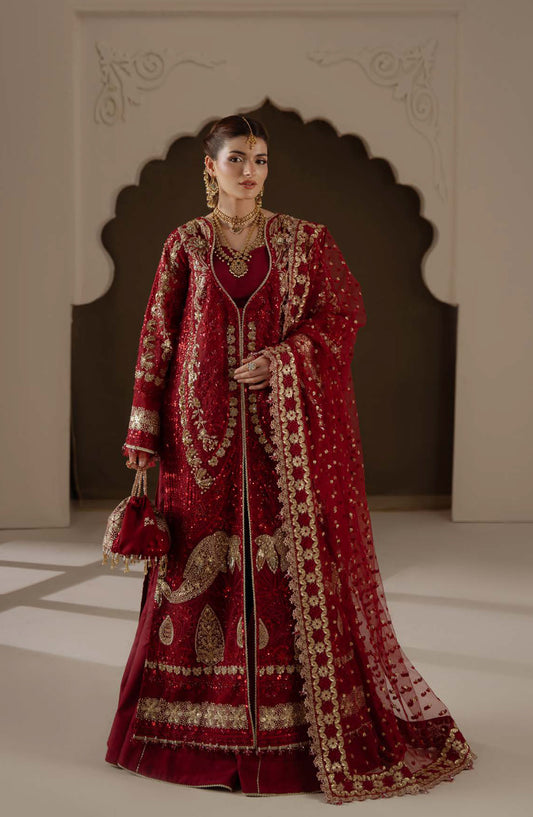
Because organza already has visual richness built into the weave, it pairs well with lighter embellishment — delicate embroidery, subtle sequin scatter, or clean borders — rather than dense, heavy handwork that can make the fabric feel stiff and overworked. Let the shine and structure be the statement, and use embellishment to accent rather than compete.
Ironing organza requires a light touch — always on a low setting, ideally with a pressing cloth in between, since too much heat can flatten the very structure that makes the fabric special in the first place.
Common Buying Mistakes
The most frequent mistake is assuming organza will drape like chiffon. Buyers who want a soft, clingy fall are often disappointed by organza's stiffness, which is a feature, not a flaw — it's simply suited to different silhouettes and expectations than a fabric designed to move with the body.
Another common error is skipping the lining check. Because organza is sheer, an outfit needs proper lining underneath to avoid unwanted see-through in bright light or under flash photography. Cutting corners on lining quality is one of the fastest ways an otherwise beautiful organza suit ends up looking unfinished.
Buyers also sometimes underestimate how organza wrinkles when improperly stored. While it resists creasing during wear, folding it tightly for long periods — especially in humid conditions — can leave stubborn lines that are harder to remove than with other fabrics. Hanging organza pieces rather than folding them extends the life of the fabric's crispness considerably.
Finally, pairing organza with heavy, structured jewelry or overly ornate footwear can throw off the balance of the outfit. Since the fabric already carries shine and structure, overloading the rest of the look with equally heavy elements often competes rather than complements.
FAQs
Q1: Is organza suitable for hot or humid weather?
Organza is lightweight and breathable due to its open weave, making it a reasonably comfortable choice even in warmer weather, though its crisp structure is best suited to indoor or shaded events rather than direct heat and prolonged outdoor sun.
Q2: How is organza different from chiffon?
Organza is stiffer and holds its shape, giving outfits a structured, voluminous look, while chiffon is softer and drapes closely to the body — the choice between them depends on whether you want structure or fluid movement in the silhouette.
Q3: Does organza need to be lined?
Yes, because organza is sheer, proper lining is essential to prevent see-through issues, especially in bright light or photography, and it also helps the outfit hold its structured shape more effectively.
Q4: Can organza suits be worn for everyday occasions?
Organza is better suited to semi-formal and formal events rather than daily wear, since its crisp structure and sheen are designed to stand out in dressier settings rather than blend into casual, everyday routines.
Q5: How should I store organza outfits to prevent wrinkling?
Hanging organza pieces rather than folding them is the best way to preserve the fabric's crisp structure and avoid stubborn crease lines, particularly in humid storage conditions.