











Complete Guide to Pakistani Suit Types: Shalwar Kameez, Kurti, Gharara & More
Pakistani suits fall into five broad style families — shalwar kameez, kurti/kurta, gharara & sharara, angrakha & frock-style suits, and modern coord sets & pret cuts — each defined by a distinct silhouette, bottom style, and occasion suited to it. Understanding these categories makes it far easier to shop with intention, whether you're dressing for daily wear, a festive event, or a wedding function.
Pakistani fashion has never been a single look. It's a wardrobe built from generations of regional tailoring traditions, each reshaped by modern cuts, fabric innovation, and shifting occasions — from a plain cotton kurti for a Tuesday errand run to a heavily embellished gharara for a mehndi stage. Below is a breakdown of the suit types that make up that wardrobe, what sets each one apart, and where it fits best.
Shalwar Kameez: The Everyday Foundation
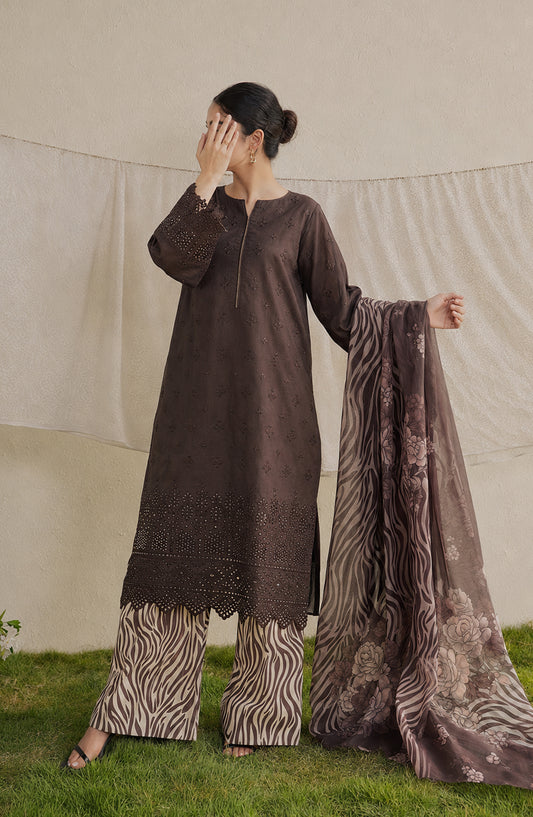
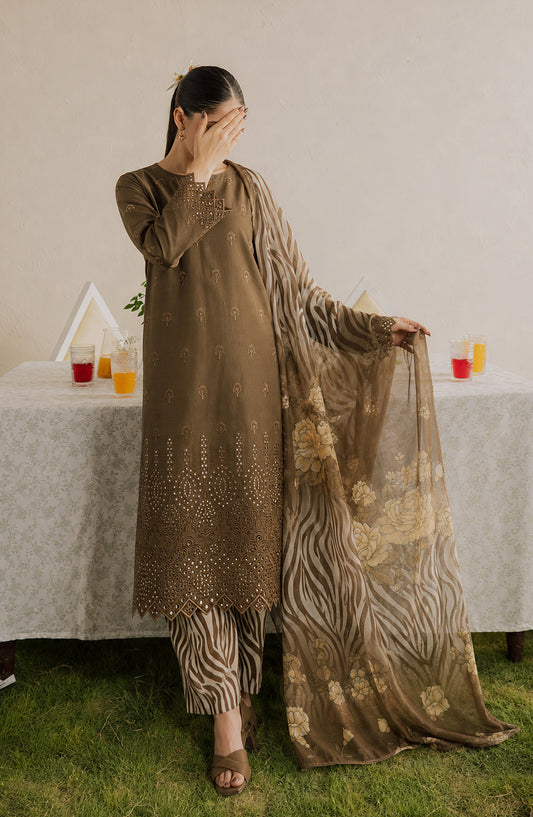
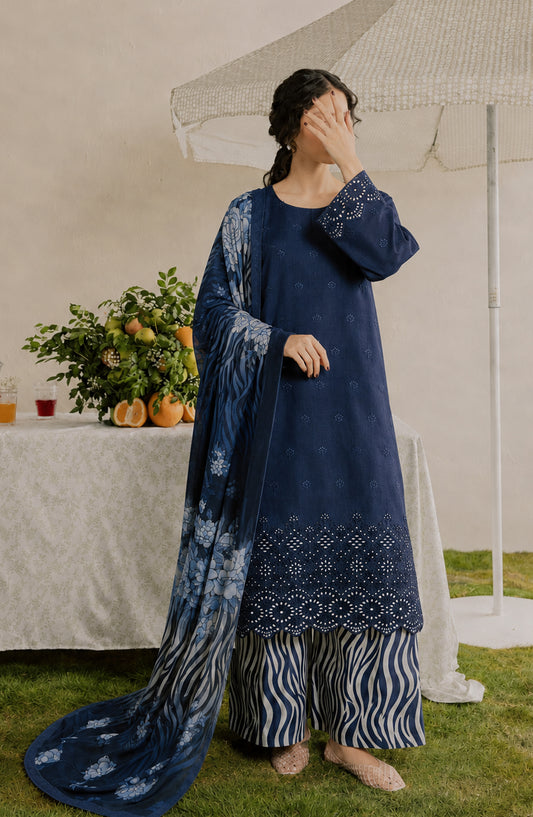
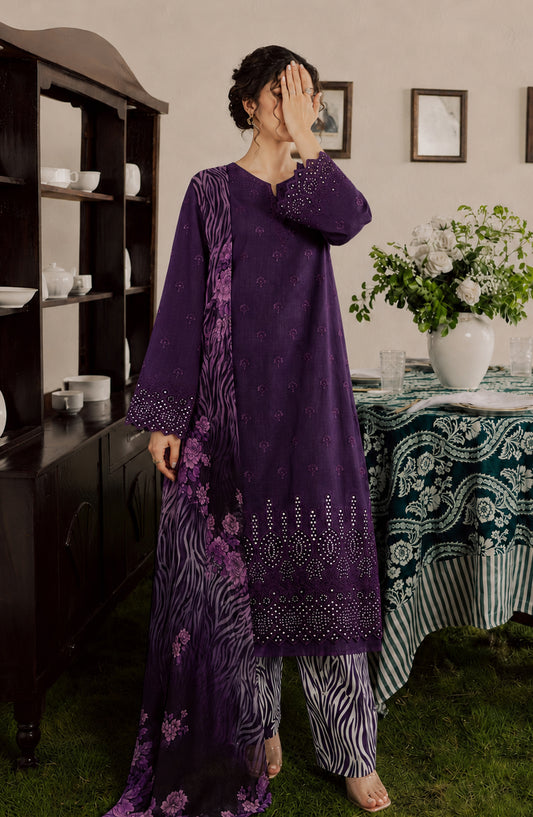
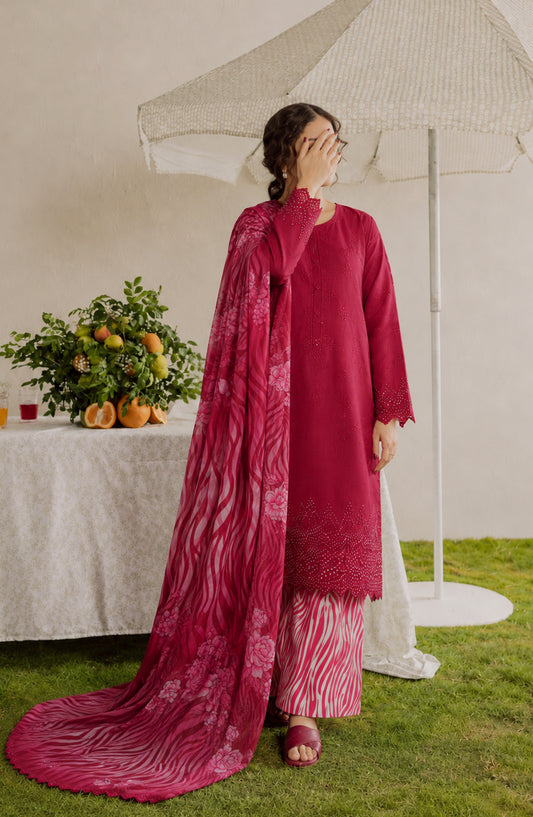
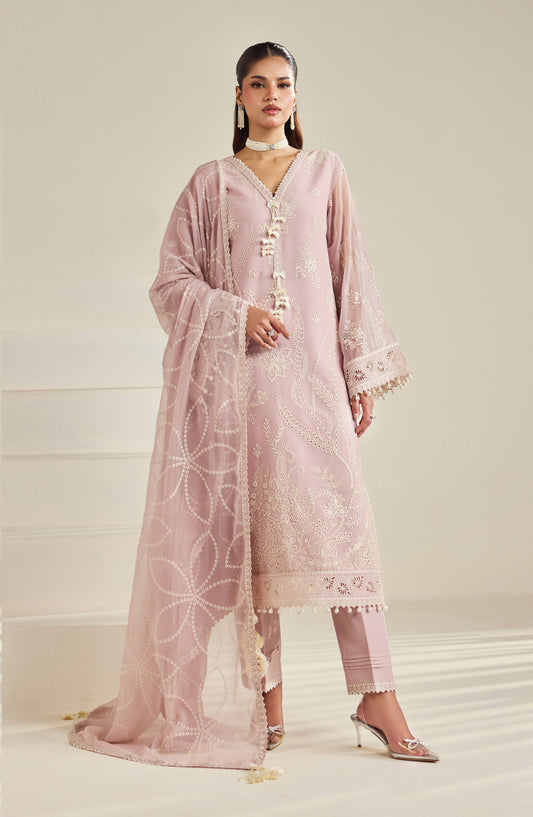
Shalwar kameez is the baseline silhouette of Pakistani dressing — a tunic (kameez) paired with a loose, gathered trouser (shalwar) — and it remains the most widely worn suit type across both casual and formal settings.
The kameez itself varies enormously in length and cut, from short, fitted tops to long, A-line silhouettes that fall past the knee. What ties the category together is the shalwar: a comfortable, wide-legged trouser that narrows at the ankle, traditionally cut with generous fabric for ease of movement. This is why shalwar kameez has stayed a daily-wear staple for decades — it's practical first, decorative second.
Within this category, you'll typically see three sub-styles:
-
Straight-cut kameez — a classic, boxier silhouette that works well for lawn and cotton fabrics.
-
A-line kameez — flares gently from the chest down, flattering for most body types and common in both casual and semi-formal pieces.
-
Panelled or umbrella-cut kameez — uses stitched panels for extra volume at the hem, often seen in festive or occasion wear.
Shalwar kameez fabric choice shifts with the season and occasion: lawn and cotton for daily and summer wear, lightly embroidered chiffon or cambric for semi-formal settings, and heavier silk or organza blends for festive occasions.
Kurti / Kurta: The Versatile Layer
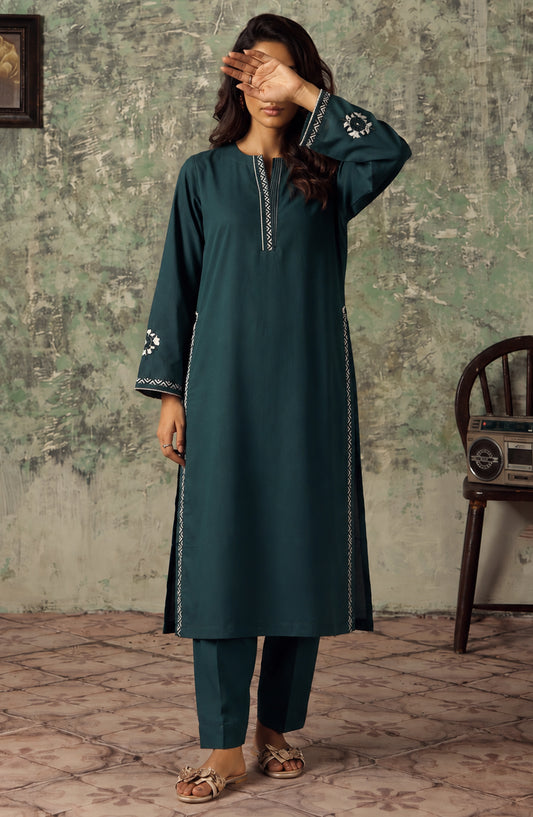
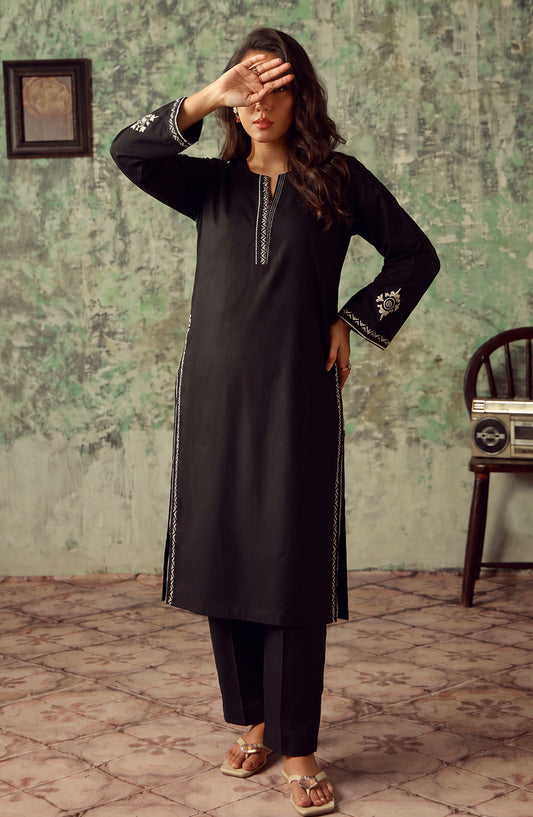
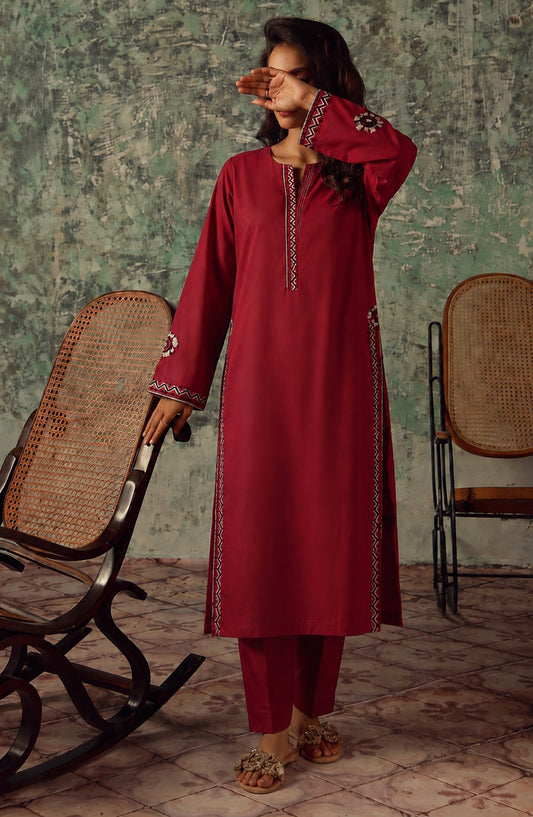
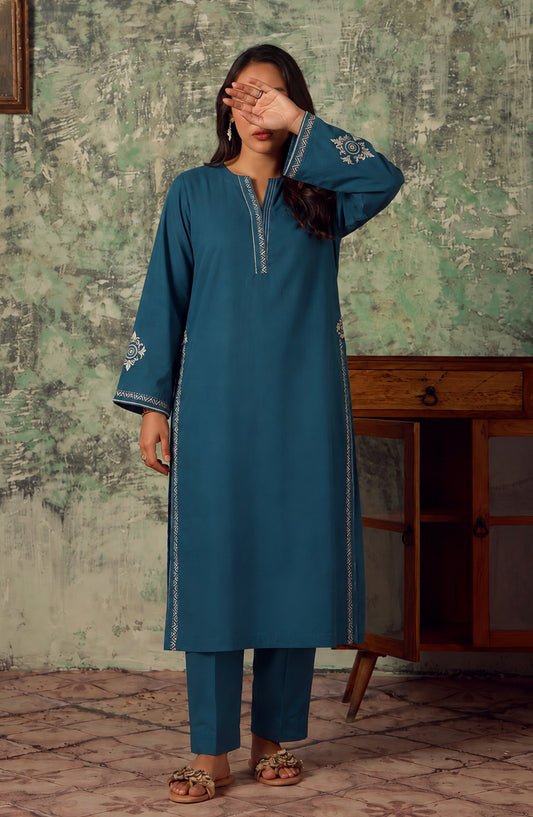
A kurti (or kurta, in its longer form) is a standalone top — typically knee-length or shorter — worn over trousers, jeans, or a plain shalwar, and it's built specifically for versatility rather than a fixed pairing.
The defining feature of a kurti is that it isn't tied to one particular bottom. Unlike a traditional shalwar kameez set, a kurti is designed to be mixed and matched, which is exactly why it's become the go-to piece for both everyday dressing and quick styling decisions. Pair it with a plain cigarette trouser for office wear, denim for a fusion look, or a churidar for a more traditional finish.
Kurtas — the longer version, often falling mid-calf or lower — lean slightly more traditional and are frequently chosen for semi-formal or festive settings where a full-length silhouette feels more appropriate than a shorter kurti.
Common kurti/kurta variations worth knowing:
-
Straight kurti — minimal flare, clean lines, easiest to style casually.
-
A-line kurta — subtle flare from the waist, flattering and slightly more dressed-up.
-
High-low kurti — shorter in front, longer at the back, popular in contemporary pret collections.
-
Embroidered festive kurta — heavier embellishment at the neckline and hem, worn for events without needing a full formal suit.
Gharara & Sharara: Festive Silhouettes with Distinct Origins
Gharara and sharara are both wide-legged bottoms worn with a fitted, often short kameez — but they're structurally different pieces with distinct regional histories, and mixing them up is one of the most common styling mistakes.
Gharara is cut in two separate pieces per leg, joined at the knee, which creates its signature dramatic flare starting mid-thigh. This structured seam is what gives gharara its instantly recognizable silhouette and is traditionally associated with Lucknawi and Mughal-era court dressing — which is exactly why it remains a favorite for wedding functions like mehndi and walima.
Sharara, by contrast, is cut as a single flared piece per leg from the waist down, without the knee seam, giving it a softer, more flowing movement rather than a sharply structured flare. It's often considered slightly more versatile than gharara because the fluid drape suits a broader range of body types and can be dressed down more easily for semi-formal events.
Both are typically paired with a short, fitted kameez (sometimes called a choli or peplum top) and a dupatta, and both are heavily featured in wedding season collections due to their dramatic movement on stage during dholki, mehndi, and baraat functions.
Angrakha & Frock-Style Suits: Where Structure Meets Drama
Angrakha and frock-style suits both build volume and visual interest into the kameez itself rather than the bottom, making them a distinct category built around top-heavy silhouettes.
Angrakha is defined by an asymmetric, wrap-style front closure — traditionally tied at the side rather than buttoned or zipped down the center — a design that dates back to Mughal-era royal dressing and gives the kameez a distinctive diagonal seam across the chest. This asymmetry is the easiest way to identify an angrakha at a glance, and it's frequently paired with a straight trouser or cigarette pants to let the top's design stand out without competition from the bottom.
Frock-style suits take their cue from Western silhouettes, using a fitted bodice that flares into a fuller, gathered skirt-like kameez — sometimes floor-length, sometimes knee-length — worn over a slim-fit trouser or churidar. The flare can be built through pleats, panels, or layered fabric, and this style has become especially popular for engagement and reception wear because the fuller silhouette photographs dramatically without needing a full lehenga.
Both styles tend to favor heavier or structured fabrics — organza, raw silk, or net overlays — since the design relies on fabric holding its shape rather than draping loosely.
Coord Sets & Pret Cuts: The Modern, Minimal Reinterpretation
Coord sets and pret cuts strip Pakistani suit design down to clean, contemporary silhouettes — minimal embellishment, structured tailoring, and pieces designed to be worn together as a matched set or mixed independently, unlike the more traditionally rooted styles above.
A coord set typically pairs a top (which might be a kurti, shirt, or even a cropped kameez) with a matching or complementary bottom — palazzo, straight pants, or a skirt — designed and printed as a single cohesive outfit from the start. This is a relatively recent shift in Pakistani ready-to-wear, borrowing structure from Western fashion while keeping fabric and print sensibilities rooted in local design houses.
Pret cuts refer more broadly to ready-to-wear tailoring — pieces cut with contemporary, closer-to-body silhouettes rather than the looser traditional fit, often featuring shorter hemlines, structured shoulders, or minimalist necklines. Pret collections are usually where you'll find the most fashion-forward interpretations of classic pieces: a cropped angrakha, a streamlined gharara pant, or a kurti with an asymmetric hem.
This category is where Pakistani fashion houses experiment most actively season to season, which is why it's worth checking current collections regularly rather than assuming last season's cuts are still the standard.
If you want to explore pieces across all of these categories in one place, browse our full women's collection to compare shalwar kameez, kurtis, gharara sets, and pret cuts side by side.
For a broader look at the historical development of South Asian garment silhouettes referenced throughout this guide, the Victoria and Albert Museum's South Asian textiles collection offers well-documented context on how many of these styles evolved.
FAQs
Q1: What's the main difference between a kurti and a kameez?
A kurti is designed as a standalone, mix-and-match top meant to be paired with various bottoms, while a kameez is traditionally part of a matched shalwar kameez set, cut and styled to be worn with its specific shalwar.
Q2: Is gharara or sharara easier to wear for a first-timer?
Sharara tends to be easier for first-time wearers since its single-piece flare drapes more forgivingly and moves more naturally when walking or sitting, whereas gharara's structured knee-seam flare requires a bit more adjustment.
Q3: Can angrakha suits be worn casually, or are they always formal?
Angrakha suits can absolutely be worn casually when made in lighter fabrics like lawn or cotton with minimal embellishment — the asymmetric wrap design works at any formality level; it's the fabric and embroidery that shift it toward formal wear.
Q4: What occasions are coord sets best suited for?
Coord sets work well for casual outings, office wear, and semi-formal daytime events, since their clean, matched styling reads as put-together without the heaviness of festive embellishment.
Q5: How do I know if a suit is a frock-style or just an A-line kameez?
The key difference is volume and construction — frock-style suits use a fitted bodice with a deliberately fuller, often layered or pleated skirt section, while an A-line kameez has a subtler, more gradual flare without the distinct bodice-to-skirt structure.