


















Dupatta Styles Explained: Choosing the Right One for Your Suit
The right dupatta style depends on two things: the fabric it's made of and how well that fabric's weight matches the suit it's paired with. Chiffon and organza suit lighter, flowier looks; net adds texture and structure; cotton keeps things practical for daily wear. Choosing between them isn't about which is "nicer" — it's about which one actually complements the outfit and occasion in front of you.
Most dupatta mistakes happen at the fabric-selection stage, long before draping even comes into it. Once the fabric is right, the styling almost takes care of itself — which is exactly why this guide starts there.
Dupatta Fabric Types: Chiffon, Organza, Net & Cotton
Chiffon. Soft, lightweight, and slightly sheer, chiffon is the most versatile dupatta fabric available. It drapes close to the body with a natural fall, doesn't hold sharp pleats well, and works across both casual and semi-formal settings. Its slight transparency means it's often lined or paired with a matching inner shade for coverage.
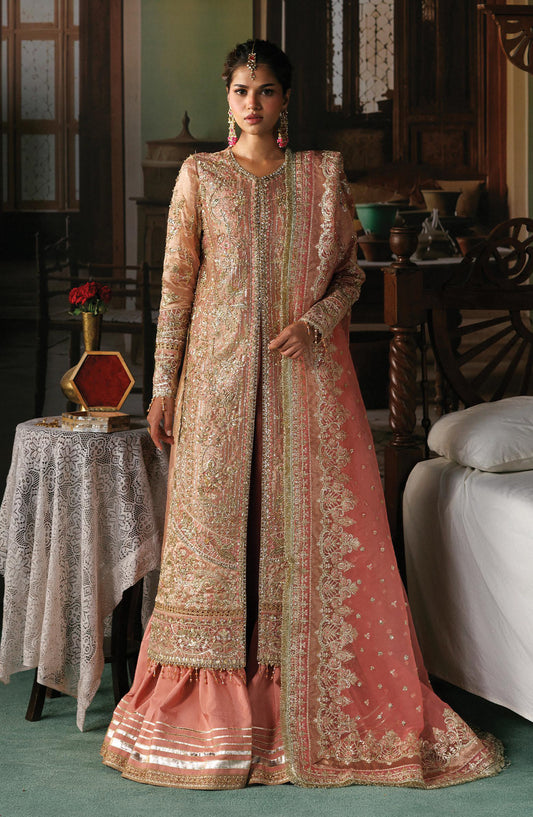
Organza. Crisper and more structured than chiffon, organza holds pleats and shape far better, making it the go-to for occasions where the dupatta itself is meant to be a visual feature — think embroidered borders or dramatic front drapes. It has more body and a subtle sheen, which reads as more formal by default.
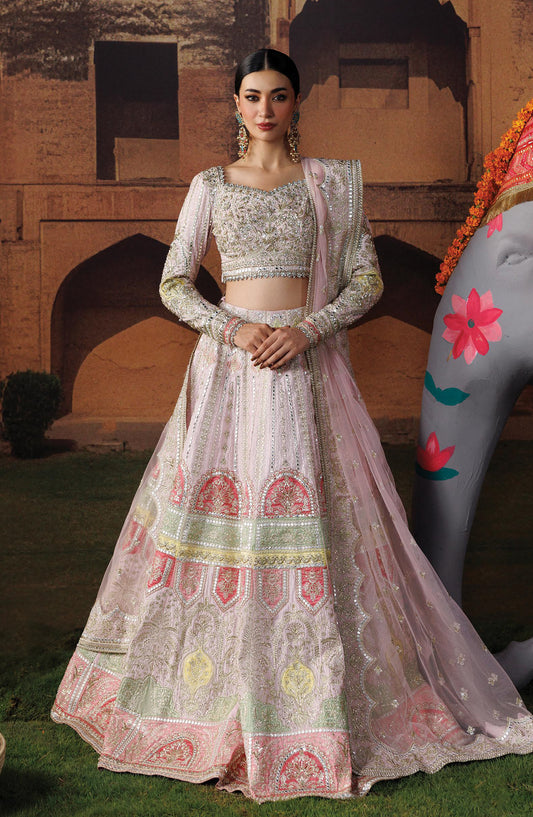
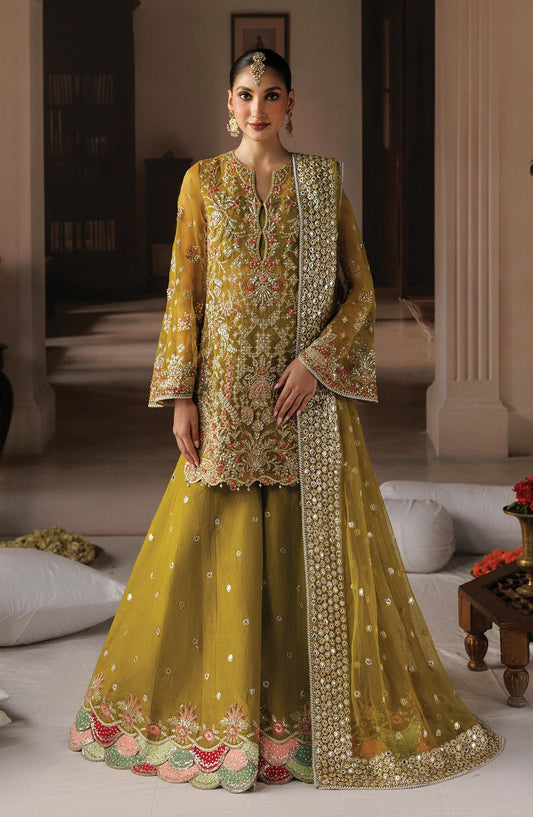
Net. Delicate and textured, net dupattas add visual interest through their weave alone, often further embellished with sequins, thread work, or lace borders. Net doesn't fall as smoothly as chiffon — it holds volume, which makes it a strong choice for festive or bridal-adjacent styling where fullness is the goal.
Cotton. The most practical of the four, a cotton dupatta is breathable, low-maintenance, and matches the no-fuss nature of everyday cotton or lawn suits. It doesn't drape as fluidly as chiffon, but it doesn't need to — its job is coverage and comfort, not statement-making.
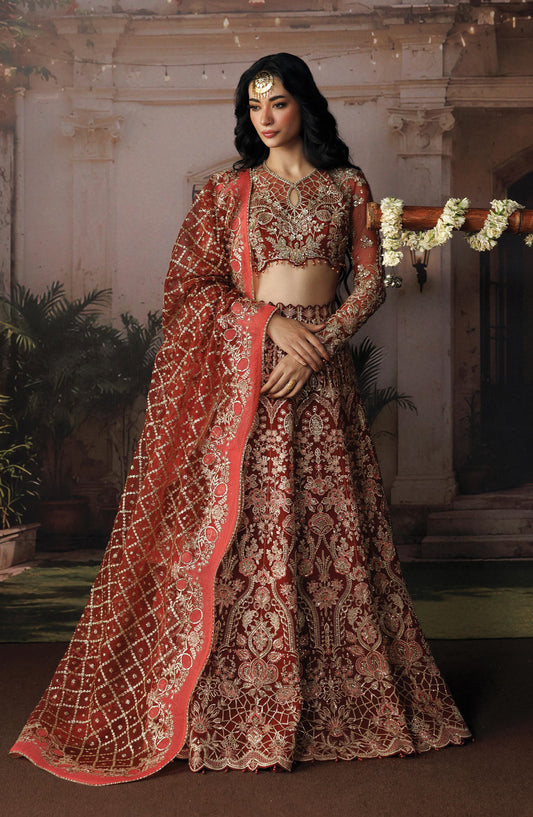
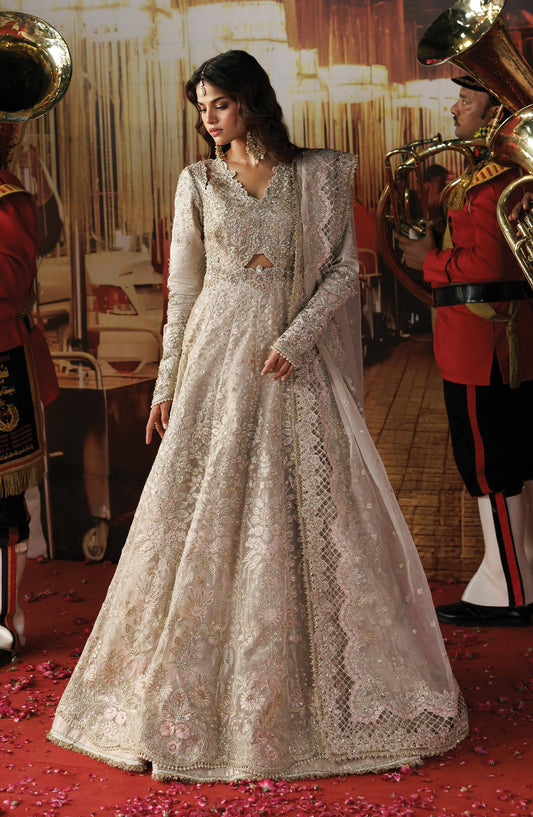
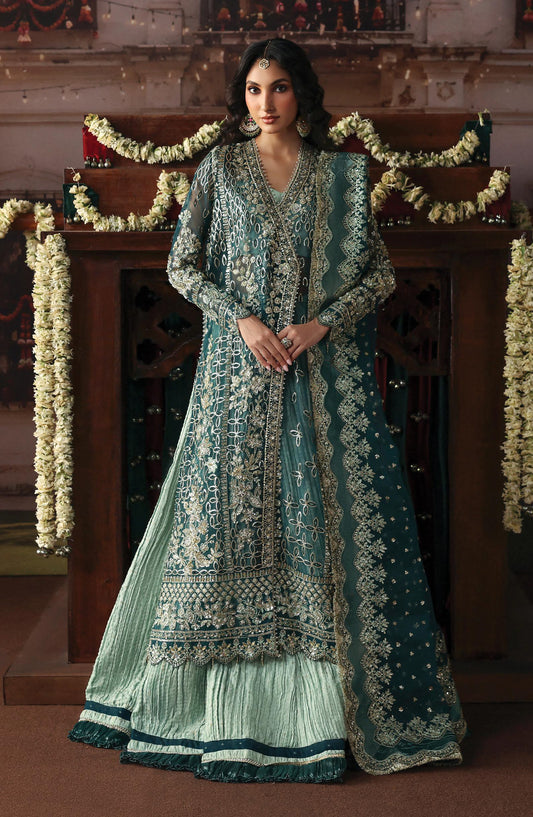
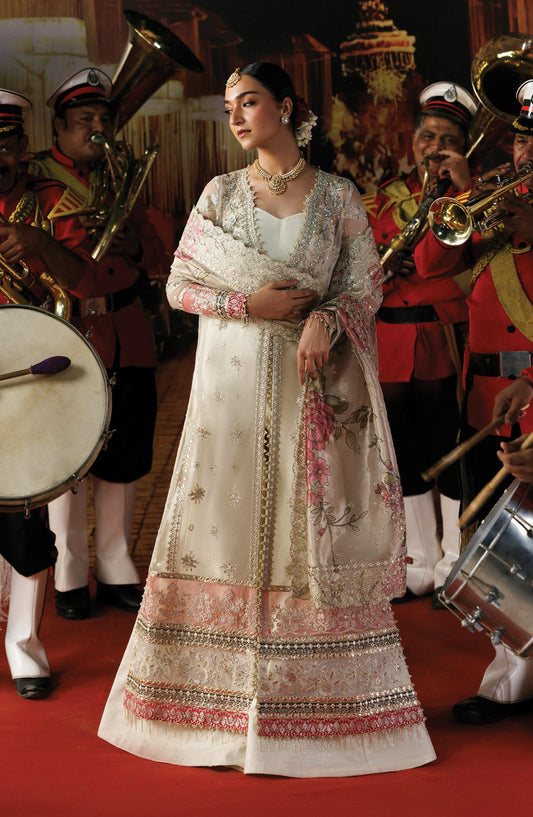
Each fabric in our dupatta styles collection serves a different purpose, and knowing which one fits your suit avoids the most common styling regret: buying a beautiful dupatta that simply doesn't work with what you already own.
Matching Dupatta Weight to Suit Fabric
A dupatta's weight should generally sit close to — or slightly lighter than — the suit's fabric weight. Pairing them incorrectly is one of the fastest ways to make an otherwise well-chosen outfit feel off-balance.
-
Lawn or voile suit + chiffon or lightweight net dupatta. Both are breathable and lightweight, so the outfit feels cohesive rather than top-heavy. A heavy net or organza dupatta on a delicate lawn suit tends to overwhelm the fabric underneath.
-
Cambric or cotton suit + cotton or lightweight chiffon dupatta. Cambric has slightly more structure than lawn, so it can carry a touch more dupatta weight, but still pairs best with breathable, mid-weight fabrics rather than anything stiff.
-
Khaddar or wool-blend suit + heavier net, organza, or shawl-weight dupatta. Winter fabrics can support a dupatta with more body and structure — this is where organza and heavier net genuinely shine, since the suit fabric underneath can hold that visual weight.
-
Silk or raw silk suit + organza or silk dupatta. Silk pairs best with fabrics that share its subtle sheen; chiffon can work too, but organza tends to match silk's formality more naturally.
The rule of thumb: heavier suit fabric can support a heavier dupatta, and lighter suit fabric needs a lighter one. Mismatching in either direction is what makes a dupatta look like an afterthought rather than part of the outfit.
Draping Styles for Different Occasions
Beyond basic wear, how a dupatta is draped changes depending on what the day calls for — here are drape variations worth knowing beyond the everyday basics.
Criss-cross drape. Both ends crossed over the chest and pinned at opposite shoulders creates a structured, formal look, often used for semi-formal events where a plain front-fall feels too casual.
Side-shoulder pallu. Borrowing from saree styling, this drape brings the dupatta over one shoulder with the decorative border or embroidery facing outward — ideal when the dupatta has a heavily worked edge you want visible.
Layered double-dupatta. Two lighter dupattas worn together — often in contrasting or complementary colors — add volume and richness for festive occasions without needing one heavy fabric to do all the work.
Half-drape with pinning. One side pinned neatly at the shoulder while the other falls loose is a middle ground between fully formal and fully casual, useful for work events or daytime functions.
Relaxed neck-drape. Simply resting the dupatta around the neck with both ends falling evenly in front is the most low-effort, everyday option — best suited to cotton and lawn dupattas on regular days.
Matching the drape to the occasion matters as much as matching the fabric — an elaborately worked organza dupatta deserves a drape that shows off its border, while a simple cotton one is better left in its most relaxed, practical form.
Common Dupatta Pairing Mistakes
A few recurring mistakes show up again and again, regardless of budget or fabric quality:
-
Choosing color before checking fabric weight. A perfectly matched color in the wrong fabric weight still looks wrong — weight compatibility should come before color coordination, not after.
-
Over-embellishing an already busy suit. A heavily embroidered net or organza dupatta on top of a densely printed shirt competes for attention instead of complementing it. Busy suits generally need simpler dupattas.
-
Ignoring transparency. Sheer fabrics like chiffon, net, and organza often need a lining or a matching inner shade underneath — skipping this can make even an expensive dupatta look unfinished.
-
Wearing a stiff, structured dupatta with a soft, flowy suit. Organza's crispness can clash with a soft cambric or lawn suit that's meant to move freely — the mismatch in movement is often more noticeable than the mismatch in color.
-
Assuming one dupatta fits every suit in the wardrobe. Dupattas aren't one-size-fits-all accessories; a fabric that worked beautifully with one suit may look completely wrong with another simply because the weights don't align.
FAQs
Which dupatta fabric is best for hot, humid weather?
Cotton or lightweight chiffon are the most breathable options, allowing better airflow than net or organza, both of which tend to feel heavier in high humidity.
Can a net dupatta be worn with a casual lawn suit?
It's possible, but a lighter, less embellished net dupatta works better in this pairing — a heavily worked net dupatta can make an otherwise casual lawn suit feel mismatched in formality.
Do I need a separate inner or lining for a sheer dupatta?
Not always, but for chiffon, net, or organza dupattas without an in-built lining, a matching-shade inner underneath provides better coverage and a cleaner finished look.
How do I keep an organza dupatta's pleats in place while wearing it?
A few small fabric pins at the shoulder and waist hold pleats securely through the day; organza's natural crispness also helps pleats hold their shape longer than softer fabrics would.
Is it acceptable to mix two different dupatta fabrics in a double-drape style?
Yes — pairing two different but complementary fabrics, such as a chiffon base with a net overlay, is a common way to add texture and depth without needing one dupatta to serve every purpose.