













What to Wear to Every Wedding Event: Mehndi, Barat, Nikkah, Valima
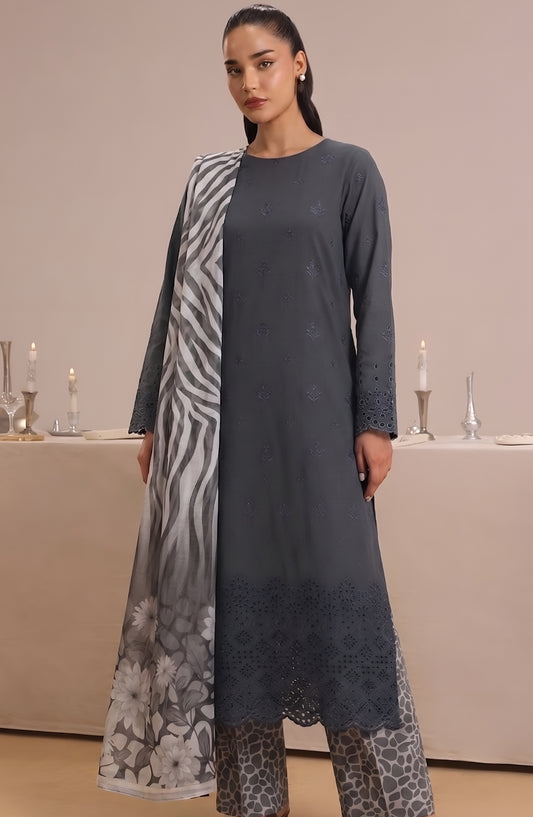
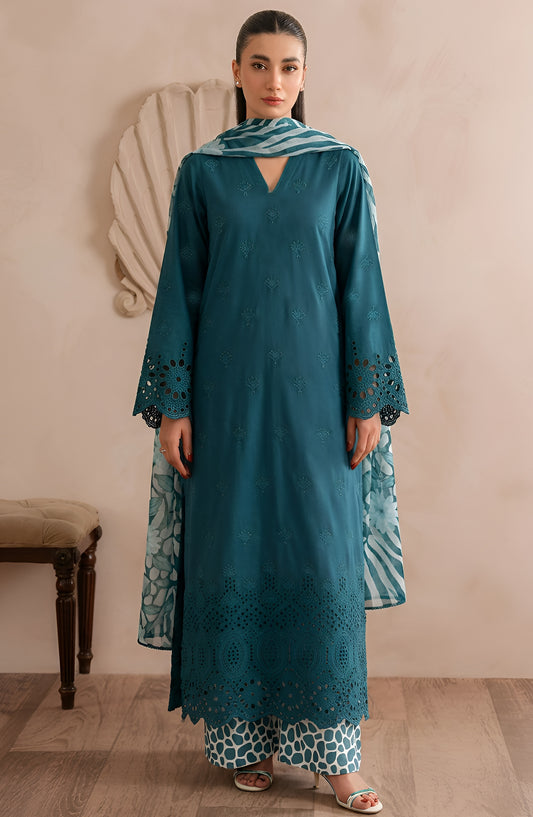
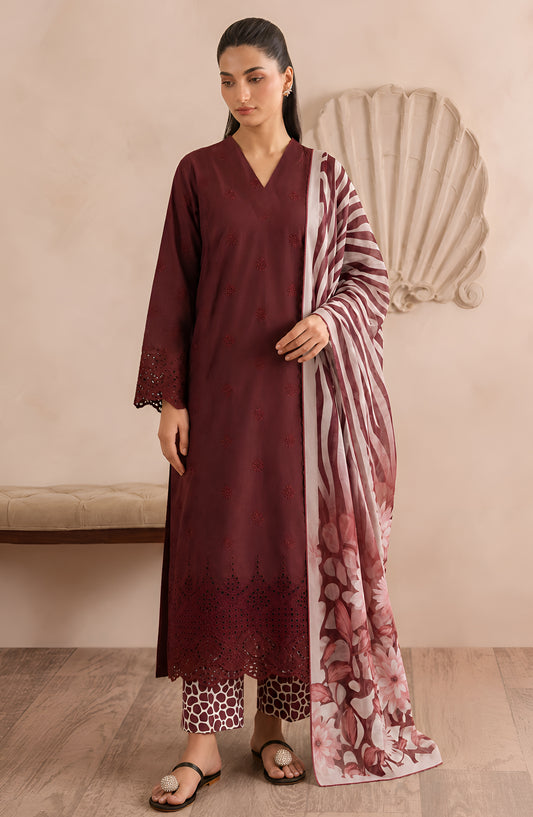
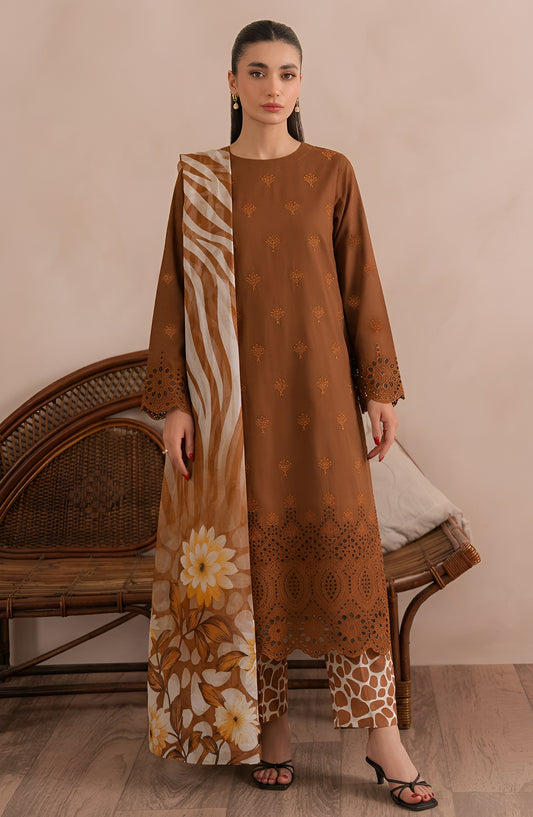
Mehndi calls for bright, bold colors like yellow, green, or orange in breathable fabrics; Barat is the most formal event, favoring jewel tones — emerald, maroon, royal blue — in silk or heavily embroidered organza; Nikkah favors soft pastels or neutrals in organza or silk; Valima leans toward elegant, richer evening tones in luxe fabrics like chiffon or net. Guests should avoid white, ivory, and red, which are typically reserved for the bride.
A Pakistani wedding isn't one event — it's a series of them, each with its own mood, color story, and dress code. Showing up to a Mehndi in Barat-level formality (or the reverse) is one of the most common outfit mistakes guests make, and it's an easy one to avoid once you understand the logic behind each function.
Think of it as a formality gradient: Dholki is casual and playful, Mehndi is bold and festive, Barat is grand and formal, and Valima is elegant and refined. This guide walks through what to wear — and what to avoid — at each stage.
The 4-Event Formality Gradient
Most Pakistani weddings move through these stages, though families sometimes combine or split them:
-
Dholki — informal, music and dance-focused, casual festive wear
-
Mehndi — colorful, joyful, the boldest dressing of the whole wedding
-
Barat — the main, most formal ceremony
-
Valima — the reception, elegant and refined rather than loud
Understanding where an event sits on this scale is the single most useful thing you can do before choosing an outfit.
Mehndi — Colors, Fabrics, What to Avoid
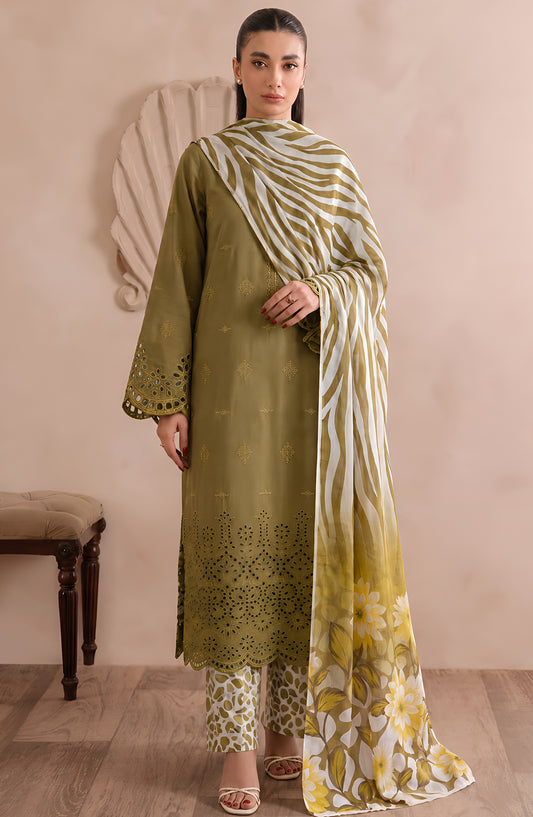
Mehndi is the one event where boldness is expected, not risky. Bright yellows, greens, oranges, and hot pink all work well here, often in lighter fabrics that hold up to dancing and movement — cotton, lawn with embroidery, or lightweight chiffon.
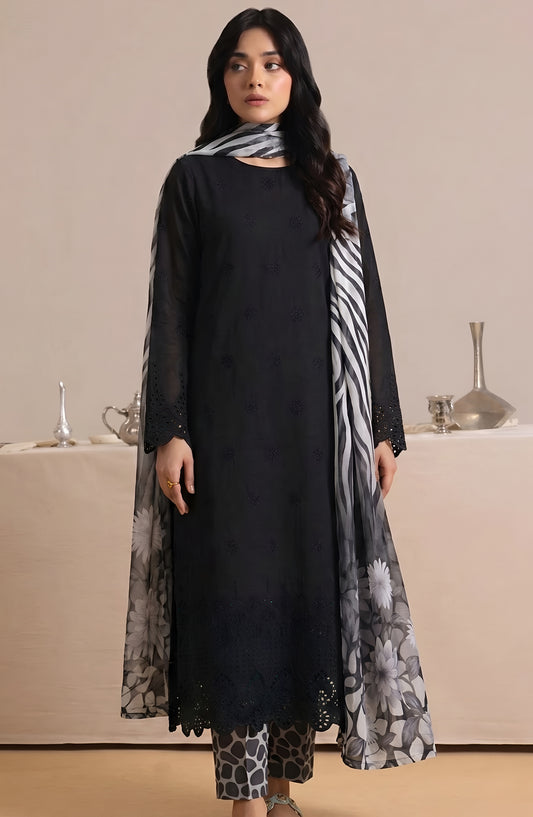
What to avoid: overly heavy, structured fabrics that restrict movement, and very muted or dark colors that read as underdressed for the event's energy.
Browse: Mehndi Dresses
Barat — The Most Formal Event
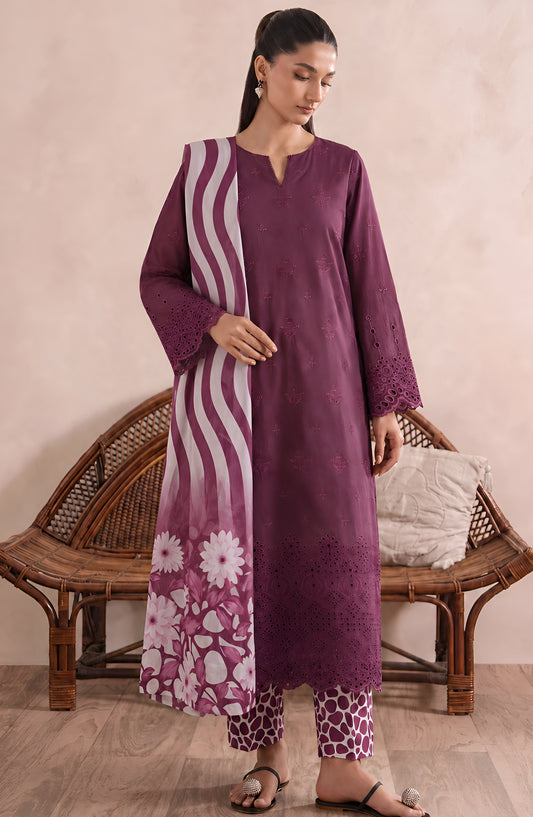
Barat is where guests dress at their most formal. Deep jewel tones — emerald, maroon, royal blue, deep purple — in silk, organza, or heavily embroidered net are the standard here. This is the event to bring out fuller embellishment: zardozi, dabka, and richer embroidery techniques all suit Barat-level formality.
What to avoid: white, ivory, and red are conventionally reserved for the bride. Very bright, Mehndi-level colors can also feel mismatched against the formality of a Barat.
Browse: Barat Dresses
Nikkah — Elegant and Understated
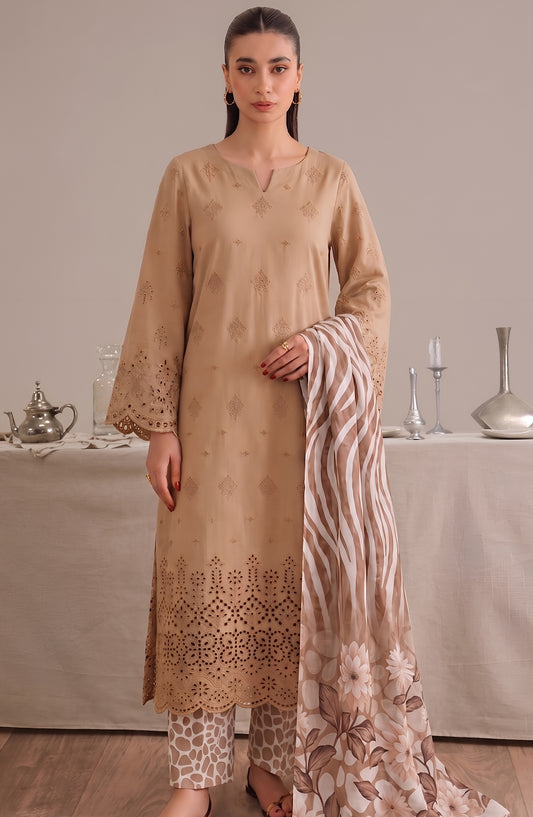
Nikkah tends to call for a more subdued elegance than Barat — soft pastels, neutrals, or muted jewel tones in organza or silk work well. The tone here is closer to reverence than celebration, so heavily embellished, attention-grabbing pieces are usually toned down compared to Barat dressing.
What to avoid: overly loud prints or Mehndi-level brightness can feel out of step with the ceremony's tone.
Browse: Nikkah Dresses
Valima — Evening Elegance
Valima is the reception, and it typically calls for a more polished, evening-appropriate look — richer tones than Nikkah, but with a more refined finish than Barat's grandeur. Chiffon, net, and structured organza pieces in jewel or metallic-adjacent tones work well here.
What to avoid: daytime-appropriate light pastels can feel underdressed for an evening reception setting.
Browse: Valima Dresses
Color Rules Every Guest Should Know
A few rules hold across nearly every Pakistani wedding, regardless of the specific event:
-
Avoid white and ivory — these are the bride's colors at most events, particularly Nikkah and Valima.
-
Avoid red if you know the bride is wearing it, which is common for Barat.
-
Avoid competing with the bride's embellishment level — even at Barat, guests generally keep their embroidery a notch below what the bride is wearing.
-
When in doubt, ask. If the invitation doesn't specify a dress code or color scheme, a quick message to the host is completely normal and appreciated.
Quick Reference Table
|
Event |
Color Palette |
Fabric |
Formality Level |
|---|---|---|---|
|
Mehndi |
Yellow, green, orange, hot pink |
Cotton, lawn, light chiffon |
Bold, festive |
|
Barat |
Emerald, maroon, royal blue, plum |
Silk, organza, embellished net |
Highest formality |
|
Nikkah |
Pastels, neutrals, muted jewel tones |
Organza, silk |
Elegant, understated |
|
Valima |
Rich jewel tones, metallics |
Chiffon, net, structured organza |
Refined, evening |
Frequently Asked Questions
What colors should wedding guests avoid in Pakistan?
White, ivory, and red are generally best avoided, as these are traditionally associated with the bride, particularly at Nikkah, Barat, and Valima.
Can I wear the same outfit to Mehndi and Valima?
Not ideally — the formality levels are different enough that the same outfit will likely feel underdressed at Valima or overdressed at Mehndi. If you need to reuse a piece, restyle it significantly with different jewelry, dupatta draping, and accessories.
What's appropriate for a daytime vs evening wedding function?
Daytime functions (often Mehndi, sometimes Nikkah) suit lighter, brighter colors and breathable fabrics. Evening functions (Barat, Valima) suit richer tones and more structured, formal fabrics.
Do these rules apply the same way across Pakistan and internationally?
The core color etiquette is fairly consistent, though families abroad sometimes condense the four events into fewer days — check the invitation for how many distinct functions you're actually being invited to.