













Modest Fashion Guide: Abayas, Hijab-Friendly Suits & Coverage Options
Modest fashion in a Pakistani context generally means loose or relaxed silhouettes, longer hemlines, higher necklines, and sleeve coverage past the elbow — achieved through dedicated pieces like abayas as well as thoughtfully cut shalwar kameez, kurtas, and coord sets that don't require a separate "modest" label to qualify. Coverage is a spectrum, not a fixed rulebook, and Pakistani fashion already offers considerable range within it.
Modest dressing isn't a niche category bolted onto mainstream fashion — for a large portion of Pakistani wardrobes, it's simply how clothing is already cut and worn. This guide breaks down what modest fashion actually covers, the main abaya styles available, how to identify hijab-friendly suit cuts, and how to style modest pieces across different occasions without sacrificing formality or personal style.
What Counts as Modest Fashion in Pakistani Context
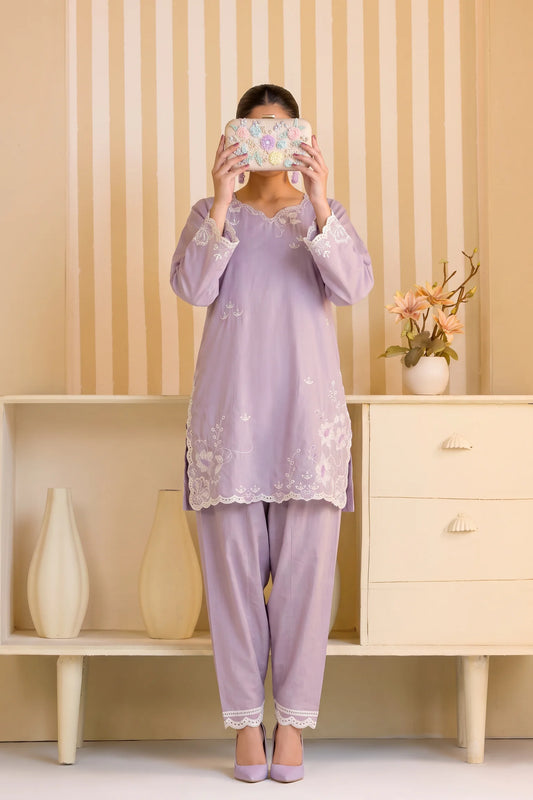
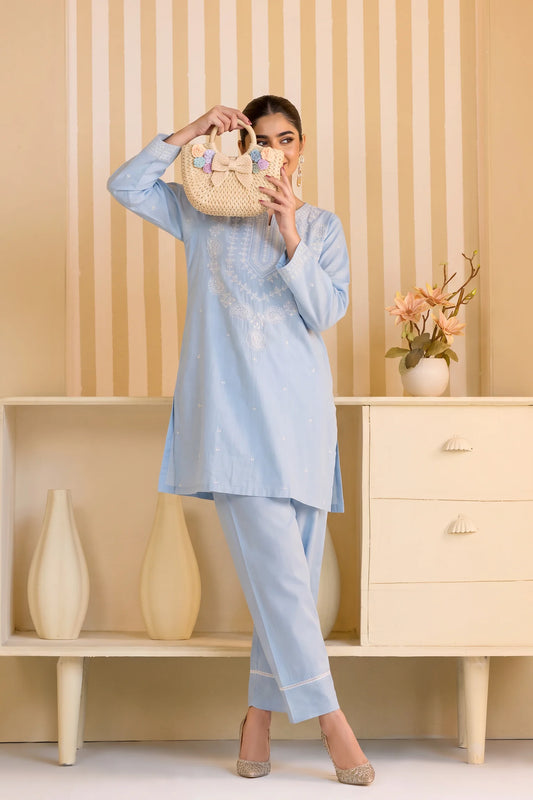
Modest fashion is best understood through a handful of consistent design choices — loose or relaxed fit through the body, full-length or three-quarter sleeves, higher necklines, and hemlines that fall at or below the knee — rather than any single rigid definition, since comfort levels around coverage vary from person to person.
It's worth separating two things that often get conflated: modest fashion as a general design philosophy, and religiously observant dressing specifically. The two overlap heavily but aren't identical — someone might dress modestly for personal comfort, professional settings, or cultural preference without it being tied to religious practice, while someone else may have specific requirements around coverage tied to their own observance. Because of this, "modest wear" as a category is intentionally broad, covering everything from a loose-fit kurta with three-quarter sleeves to a full abaya with a matching hijab.
A few structural elements tend to define modest fashion consistently across pieces:
-
Silhouette looseness — clothing that skims rather than clings, avoiding fitted waistlines or bodycon cuts.
-
Sleeve length — typically full-length or at minimum reaching past the elbow.
-
Neckline height — higher, more covered necklines rather than deep V-necks or plunging cuts.
-
Hemline length — knee-length or longer for tops, ankle-length or longer for bottoms and abayas.
-
Fabric opacity — modest pieces generally avoid sheer or semi-transparent fabric unless layered over a lining.
Abaya Styles Explained
Abayas are loose, full-length outer garments, and while they share a common purpose, the category actually spans several distinct cuts — each offering a different balance of structure, ease of movement, and formality.
Open-front (kimono-style) abaya: Worn open over an outfit rather than closed, often styled like a long, flowing outer layer with a belt or tie at the waist for shape. This style has grown especially popular for its versatility — it can be dressed up over formal wear or down over casual daywear.
Closed/button-front abaya: A more traditional cut, closed either with a zip, buttons, or a wrap-tie down the front, worn as a standalone piece rather than a layer over other clothing. This style tends to read as more formal and is a common choice for religious or cultural events specifically.
Butterfly abaya: Cut with wider sleeves and a fuller body that drapes dramatically when the arms are raised, giving it a distinctive silhouette. It's a popular choice for those who want a more fashion-forward abaya without moving toward a fitted cut.
Fitted or "nidha" abaya: A closer-fitting cut through the shoulders and bust while still maintaining a loose drape from the waist down — a middle ground between fully relaxed and fully structured silhouettes, often chosen by those who want modest coverage with a slightly more tailored appearance.
Embellished occasion abaya: Built specifically for formal or festive events, featuring embroidery, stonework, or lace detailing along the sleeves, front panel, or hem, functioning much like a formal suit does for non-abaya wardrobes.
Hijab-Friendly Suit Cuts
A hijab-friendly suit is one where the design already accounts for how the outfit will look and function alongside a hijab — meaning higher necklines that don't need extra layering underneath, sleeve lengths that don't require separate arm coverage, and proportions that don't compete visually with the head covering.
This is a distinct consideration from modesty alone, since a suit can technically meet general modest-coverage standards while still being awkward to wear with a hijab — a deep scoop neckline, for instance, might be modest enough on its own but require an underscarf or extra layering piece to look intentional once a hijab is added.
A few specific cuts tend to work especially well:
-
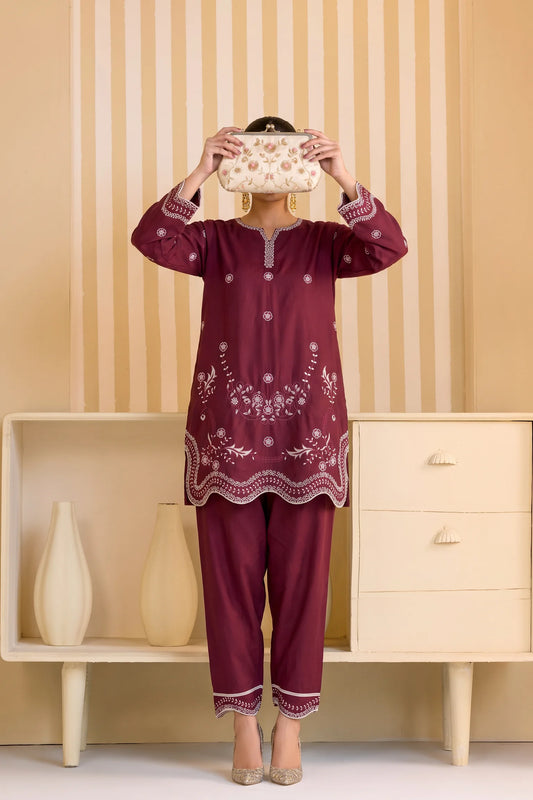
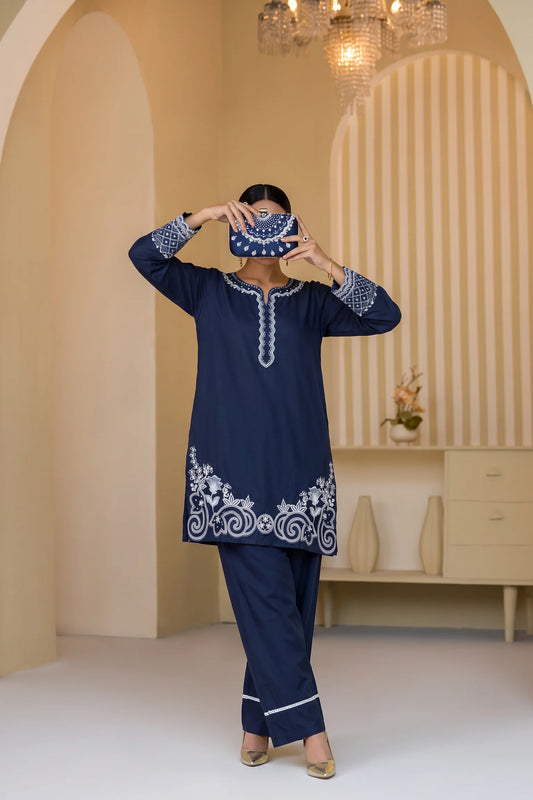
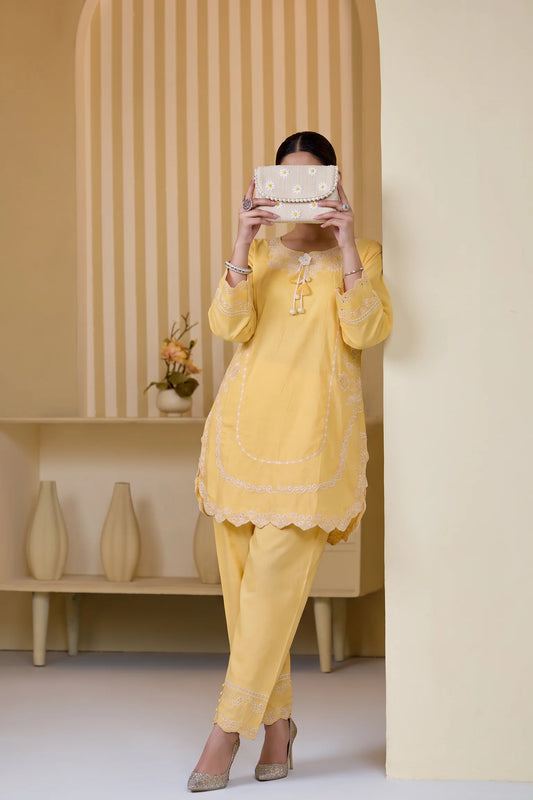
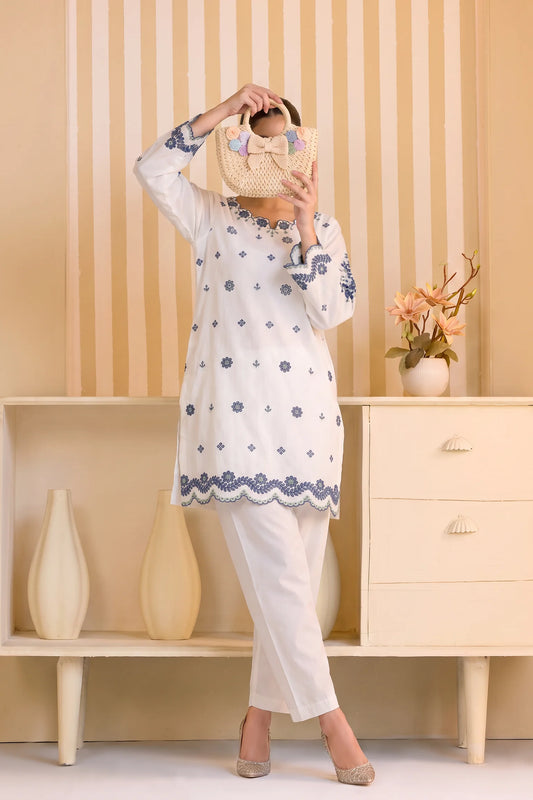
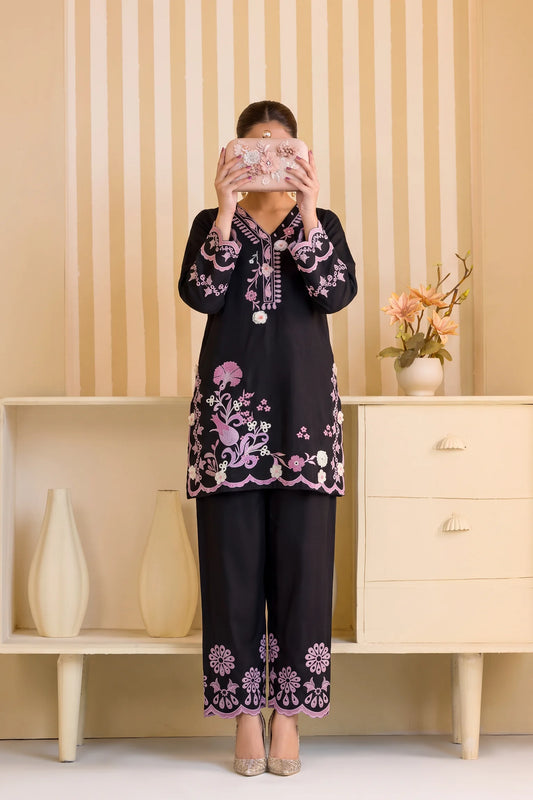
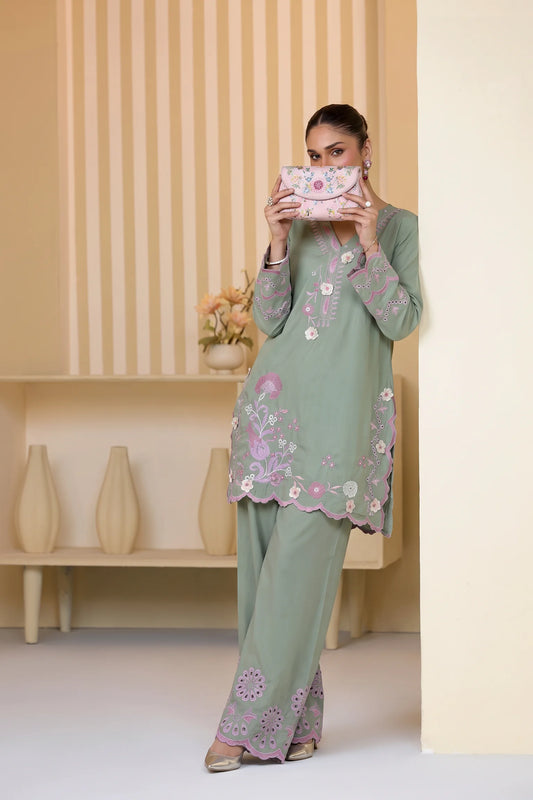
High-neck or mandarin-collar kameez — eliminates the need for layering underneath, since the neckline already sits at a coverage-friendly height.
-
Full-sleeve straight or A-line kurtas — pair cleanly with a hijab without visual competition from an overly structured or asymmetric neckline.
-
Longline coord sets — the elongated silhouette echoes the visual proportions a hijab creates, keeping the overall look balanced rather than top-heavy.
-
Wide or three-quarter sleeves with inner cuffs — offer coverage while still allowing some styling flexibility, especially useful for warmer weather.
Styling Modest Wear for Different Occasions
Modest wear scales in formality exactly the same way any other Pakistani clothing category does — fabric weight, embellishment level, and color intensity are what shift a look from casual to festive, not the coverage itself.
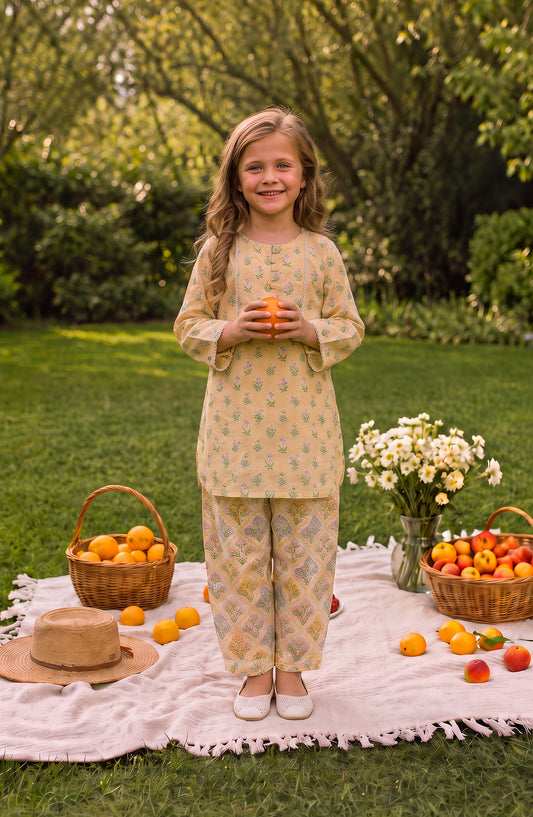
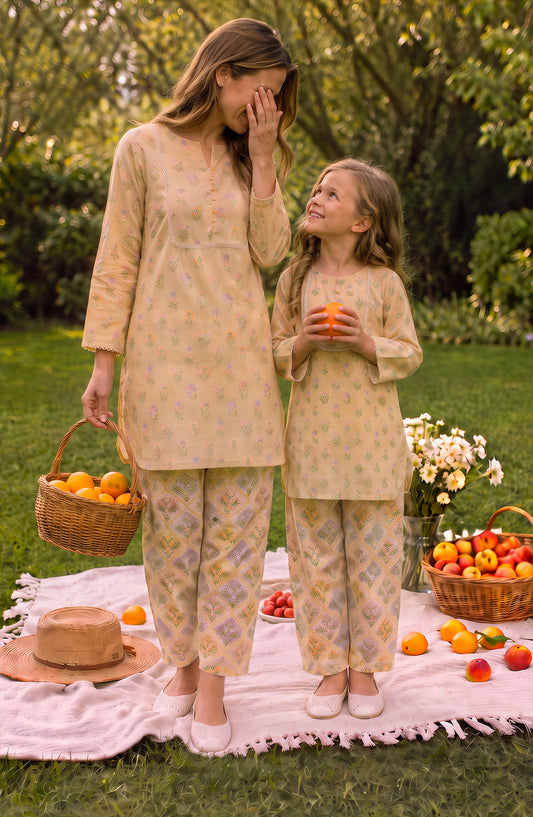
Everyday and casual wear: Loose-fit kurtas or coord sets in breathable cotton or lawn, paired with a simple cotton or chiffon hijab, work well for daily errands, work, or casual outings. Comfort and ease of movement matter more here than embellishment.
Formal or festive events: An embellished occasion abaya or a hijab-friendly formal suit in richer fabric — organza, silk blends, or heavier chiffon — with a matching or contrasting embroidered dupatta or hijab, suits weddings, Eid gatherings, and other formal functions without sacrificing coverage.
Professional or workwear settings: Structured, tailored abayas or longline kurta sets in neutral or muted tones tend to read as polished and professional, particularly when paired with a simple, well-fitted hijab style rather than a heavily draped one.
Religious occasions: Closed-front abayas or fully covered suit cuts in softer, more understated tones are often preferred for religious gatherings or observances, where the emphasis leans toward simplicity and coverage over embellishment.
For a full range of pieces built around these coverage and cut considerations, explore our modest wear collection, spanning everyday abayas to formal occasion pieces.
For broader context on how modest fashion has developed as a recognized global category within the wider fashion industry, see the Council of Fashion Designers of America's coverage of modest fashion trends, which documents its growing presence across mainstream design houses.
FAQs
Q1: Is there a difference between "modest wear" and "hijab-friendly" clothing?
Yes — modest wear refers broadly to coverage-conscious clothing in general, while hijab-friendly specifically means the cut and neckline are designed to work well alongside a hijab without needing extra layering or adjustment.
Q2: What fabric is best for everyday abayas in warmer climates?
Breathable fabrics like crepe, lightweight cotton blends, or linen-based fabrics tend to work best for daily wear in warmer weather, since they maintain coverage without trapping excessive heat the way heavier fabrics can.
Q3: Can modest wear still be fashion-forward, or is it inherently more traditional?
Modest wear has a wide stylistic range — butterfly abayas, longline coord sets, and contemporary color-blocked pieces all achieve full coverage while reflecting current fashion trends, so modesty and fashion-forward design aren't mutually exclusive.
Q4: How do I choose between an open-front and closed-front abaya?
Open-front abayas offer more styling flexibility since they can be worn over different outfits underneath, while closed-front abayas work better as a complete standalone look — the right choice depends on whether you want a layering piece or a finished outfit on its own.
Q5: Do hijab-friendly suits require an underscarf or additional layering?
Well-designed hijab-friendly cuts are specifically made to avoid needing an underscarf, since the neckline and sleeve coverage are already built into the design — this is one of the key differences from a general modest-coverage piece that wasn't designed with a hijab in mind.