




















Footwear Guide for Wedding Formals: Heels, Khussas & Comfort Picks
The right wedding footwear depends on three things: the outfit's hemline and silhouette, how many hours you'll be on your feet, and the event's setting — indoors, outdoors, or on grass and uneven flooring. Heels suit fitted, structured outfits and formal indoor stages, khussas work best with flowing, traditional silhouettes and outdoor or all-day functions, and flats or block heels are the safer choice whenever comfort needs to outlast style. Picking wedding footwear before the outfit is finalized — not after — makes the whole look easier to get right.
Most people choose their wedding shoes as an afterthought, grabbing whatever heel matches the color palette a day or two before the event. That approach usually backfires by the third hour of standing. This guide walks through how to actually match footwear to outfit, event, and stamina — in that order. Browse Al Karim Footwear Collection to find your best pick.
Matching Footwear to Outfit Style
Footwear should follow the outfit's silhouette, not fight it. A heavily embellished, fitted gown or a sharply tailored formal calls for heels — the added height elongates the line of the outfit and keeps the proportions balanced, especially with floor-length or fishtail styles where flat shoes can make the hemline drag or bunch.
Flowy, traditional silhouettes like a lehenga with a full flare, an anarkali, or a gharara pair naturally with khussas. The embroidery and craftsmanship on a good pair of khussas actually complements heavier embroidered outfits rather than competing with them, and because these silhouettes are looser through the leg, height from a heel isn't doing much visual work anyway.
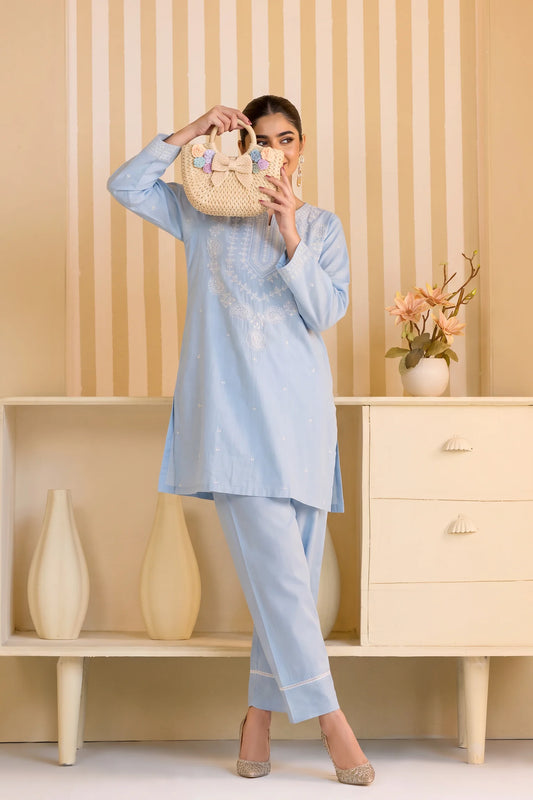
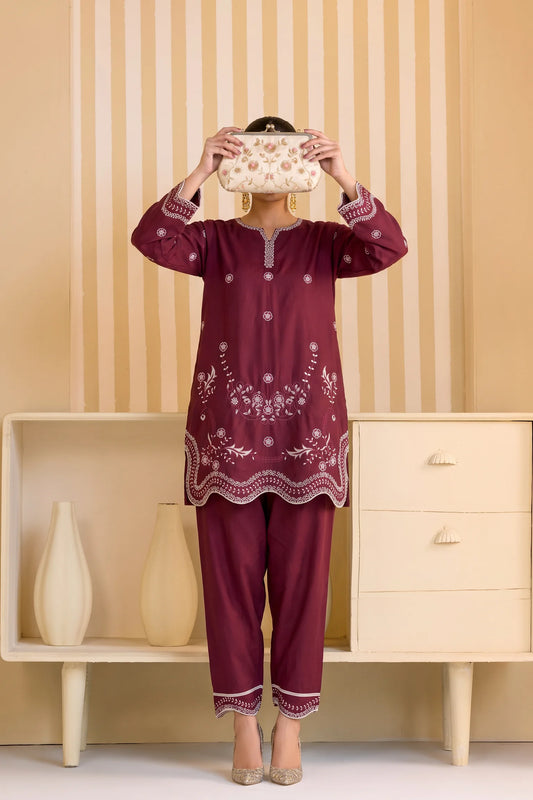
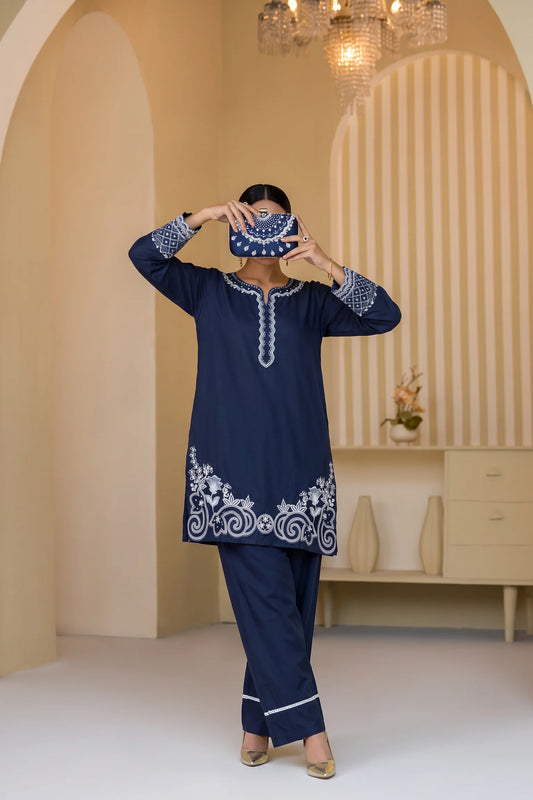
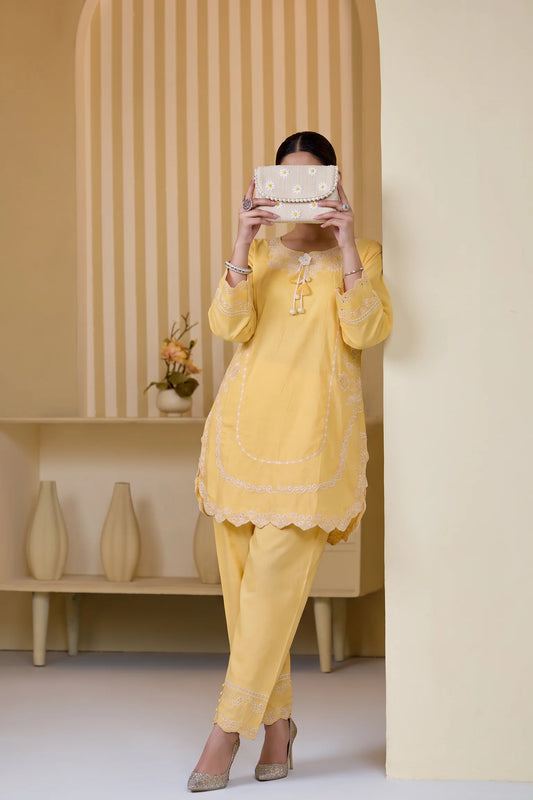
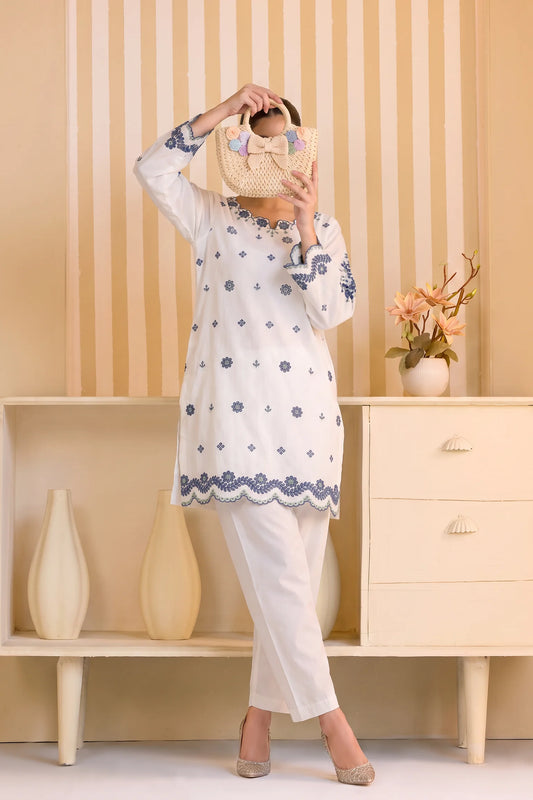
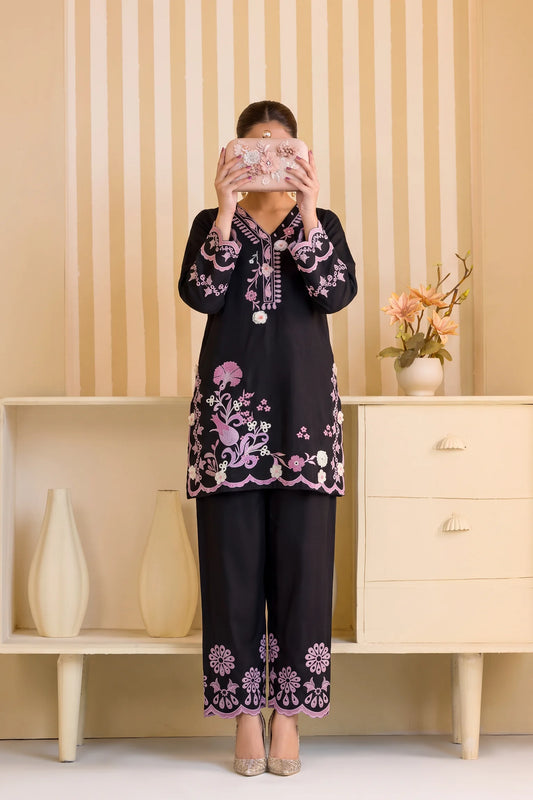
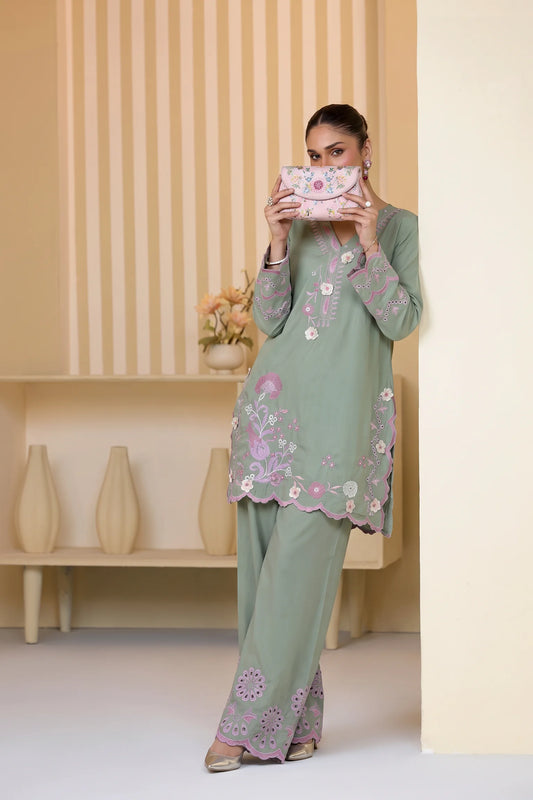
Shorter or more structured shirts paired with cigarette pants or a straight-cut trouser tend to look best with block heels or embellished flats — anything too delicate can look mismatched against a more tailored, modern silhouette, while anything too heavy underfoot can weigh the whole look down.
Comfort Tips for All-Day Wedding Events
Wedding season in Pakistan means events that regularly run five, six, sometimes eight hours — and footwear comfort makes or breaks how much of that time you actually enjoy. A few habits go a long way: break in new shoes at home for at least a few short walks before the event, never wear a completely untested pair for the first time on the day itself.
Block heels and wedge heels distribute body weight far more evenly than stiletto heels, which makes them a smarter pick for any function longer than two or three hours. If the heel height is non-negotiable for the outfit, consider bringing a backup pair of flats or khussas to change into once the formal photos are done — many guests and even brides do this discreetly between the ceremony and the reception.
Material matters as much as heel shape. Fabric or soft leather uppers flex with the foot over long wear, while stiff synthetic materials tend to cause blistering faster, especially around the back heel and between the toes on strappy designs. If the event involves grass, gravel, or an outdoor mandap setup, a thicker, more stable heel base prevents sinking and twisted ankles — something a thin stiletto simply can't manage on soft ground.
Heels vs Khussas vs Flats — When to Choose What
Heels are the right call when the outfit is fitted or floor-length, the venue is indoor with a flat, polished floor, and the event is short enough — typically under four hours of actual standing — that comfort isn't the deciding factor. They photograph well on stage and elongate the silhouette, which is why most bridal looks default to a heel for the main event.
Khussas are the better choice for outdoor or daytime functions, traditional silhouettes with fuller flare, and any event where you'll be walking on grass, sand, or uneven ground — a common setup for mehndis and outdoor dholkis. They're also the more comfortable option by a wide margin for events stretching past four or five hours, since the flat or minimally raised sole doesn't strain the arch the way a heel does.
Flats and embellished sandals make sense when comfort is the priority above all else — for guests attending back-to-back functions, for older family members, or for anyone who knows from experience that heels aren't sustainable for a full day. Modern embellished flats have closed the style gap significantly, so choosing comfort no longer means sacrificing how put-together the look feels.
Footwear by Event Type
-
Mehndi: Khussas or flat embellished sandals — outdoor settings and dance-heavy events call for stability and grip over height.
-
Barat / Main wedding: Heels for the bride and close bridal party if the venue is indoor and the outfit is fitted; khussas if the outfit is a traditional lehenga or the setting is partly outdoors.
-
Valima / Reception: Heels are the most common choice here, since receptions are typically indoor, formal, and shorter in duration than a full-day function.
-
Nikkah: Depends heavily on setting — indoor, seated nikkahs suit heels or embellished flats, while outdoor or daytime nikkahs lean toward khussas.
-
Guest attending multiple events: Flats or low block heels are the practical default, since they hold up across several functions without demanding a shoe change.
FAQs
Q1: What's the most comfortable footwear option for a full-day wedding event?
Khussas or block heels are generally the most comfortable for events lasting several hours, since they distribute weight more evenly than a stiletto and handle outdoor or uneven ground far better.
Q2: Should footwear match the outfit color or the jewelry?
Footwear typically works best when it either matches or complements the outfit's dominant color, while jewelry can be coordinated separately — trying to match all three exactly often makes the look feel overly matched rather than styled.
Q3: Are khussas appropriate for a formal indoor wedding?
Yes, especially with traditional or heavily embroidered outfits like lehengas and ghararas, where the craftsmanship of the khussa complements the outfit rather than looking out of place indoors.
Q4: How do I avoid blisters from new wedding shoes?
Break the shoes in with several short walks at home before the event, choose softer fabric or leather uppers over stiff synthetic materials, and pack blister strips or a backup pair as insurance for longer functions.
Q5: Is it acceptable to change footwear mid-event?
Yes, this is common practice, particularly for brides and bridal party members who wear heels for photos and the stage portion, then switch to flats or khussas once the formal segment of the event is over.