















Modest Wedding Wear: Elegant Coverage Without Compromising Style
Modest wedding wear means dressing for full coverage — through necklines, sleeve length, and silhouette — without losing the richness and drama a wedding outfit calls for. It's not about wearing less embellishment or settling for plainer cuts; it's about choosing fabrics, layering, and tailoring that let coverage and elegance work together instead of against each other.
For many women, wedding season brings a real styling challenge: every lookbook seems to default to plunging necklines, backless blouses, or sheer panels, leaving little guidance for those who want to dress modestly without looking like they compromised on style. The good news is that some of the most striking wedding looks — heavily worked angrakhas, structured gowns, high-neck lehengas — are modest by design. This guide walks through how to build a modest wedding wardrobe that still turns heads.
What Modest Wedding Dressing Means
Modest doesn't have a single fixed definition — it shifts based on personal comfort, family expectations, and event formality — but a few common elements define it across most wedding wardrobes.
-
Coverage at the neckline. High necks, boat necks, or modestly scooped necklines that avoid deep plunges, often finished with a collar, band, or embroidered trim that adds structure rather than skin exposure.
-
Sleeve length. Full or three-quarter sleeves are the most common choice, though some modest looks use sheer or netted sleeves with an inner lining to keep coverage while adding visual interest.
-
Silhouette over exposure. Modest doesn't mean shapeless — fitted bodices, cinched waists, and structured lehengas or gowns can be fully covered and still flattering.
-
Layering as a design choice, not an afterthought. A well-placed dupatta, cape, or jacket layer is treated as part of the outfit's design rather than something added on top to "fix" a revealing base.
The goal is an outfit that reads as intentional — coverage built into the cut and embellishment, not patched on with an extra scarf at the last minute.
Fabrics and Cuts That Balance Coverage and Elegance
The right fabric does a lot of the modesty work before styling even begins.
-
Raw silk and jamawar hold structure well, which means high necklines and long sleeves keep their shape instead of clinging or creasing — ideal for fitted, tailored modest silhouettes.
-
Organza and net with proper lining allow for elaborate sleeve and yoke detailing — like tiered sleeves or embroidered panels — while a solid inner layer ensures nothing is see-through.
-
Velvet and heavier jamawar work beautifully for winter weddings, where full sleeves and high necks are both a styling choice and a practical one.
-
A-line and angrakha-style cuts naturally offer more coverage through the torso while still allowing movement, making them a strong base for modest formalwear.
-
Empire waists and cape-style overlays add drama and visual height without needing a fitted, body-conscious cut underneath.
When choosing embellishment for modest cuts, embroidery along the neckline, sleeve cuffs, and hemline draws the eye toward the outfit's craftsmanship rather than skin — a technique used often in bridal angrakhas and structured formal gowns.
Styling Dupattas and Layers for Modesty
Layering is where modest wedding wear gets to be genuinely creative rather than restrictive.
-
Front-draped dupattas — pinned at one shoulder and brought across the chest — add coverage over a boat neck or scoop neck while framing embellishment on the bodice.
-
Double-layered dupattas, one sheer and one solid, add depth and movement without compromising opacity, especially useful with lighter fabrics like chiffon or organza.
-
Capes and shoulder drapes have become a popular alternative to traditional dupattas for brides and guests who want a more structured, modern silhouette — they cover the arms and back while adding architectural interest to photos.
-
Long-line jackets or peplum overlays worn over a fitted kurta or gown add both coverage and a distinct silhouette, particularly for barat or valima looks.
-
Underlayers matter as much as outer layers. A well-fitted, skin-toned or matching inner lining prevents sheer sleeves or bodices from needing constant adjustment through a long event.
The key with layering is treating each piece as part of the outfit's visual balance — a dupatta or cape should echo the embroidery, color, or texture of the main piece rather than look like a separate addition.
Modest Picks by Wedding Event
Coverage needs and styling priorities shift across the wedding calendar, just as color and embellishment do.
-
Mehndi: Lighter fabrics with full sleeves and a modest neckline work well here, since the event is livelier and more casual — an angrakha kurta with churidar or a layered lehenga with a high-neck blouse offers both coverage and ease of movement.
-
Barat/Nikkah: This is where structured, heavily embellished modest pieces shine — a high-neck, long-sleeved gown or an embroidered angrakha lehenga with a full dupatta drape delivers formality without exposure.
-
Valima: A more refined, evening-appropriate modest look often leans on richer fabrics like velvet or jamawar, paired with a structured cape or full-length sleeve gown for a polished, photo-ready silhouette.
-
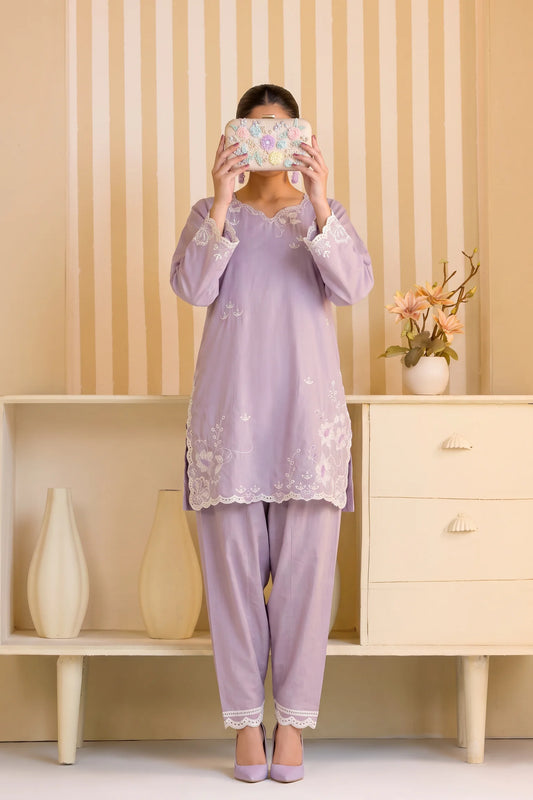
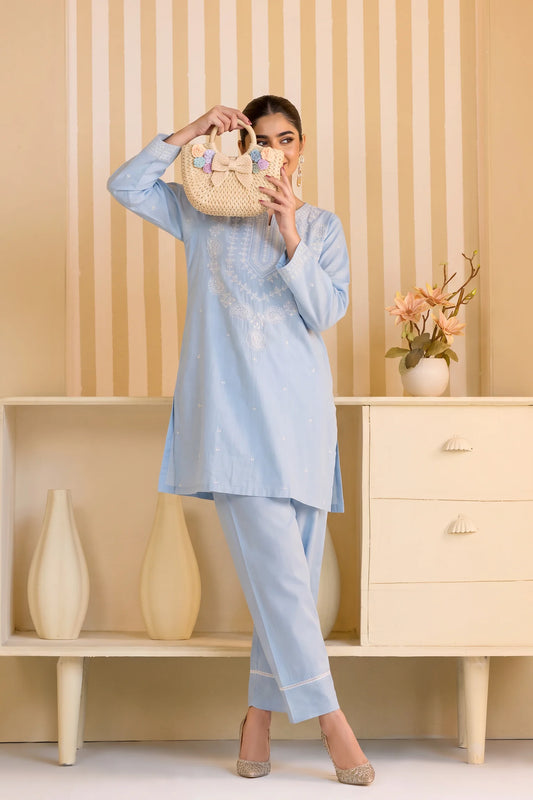
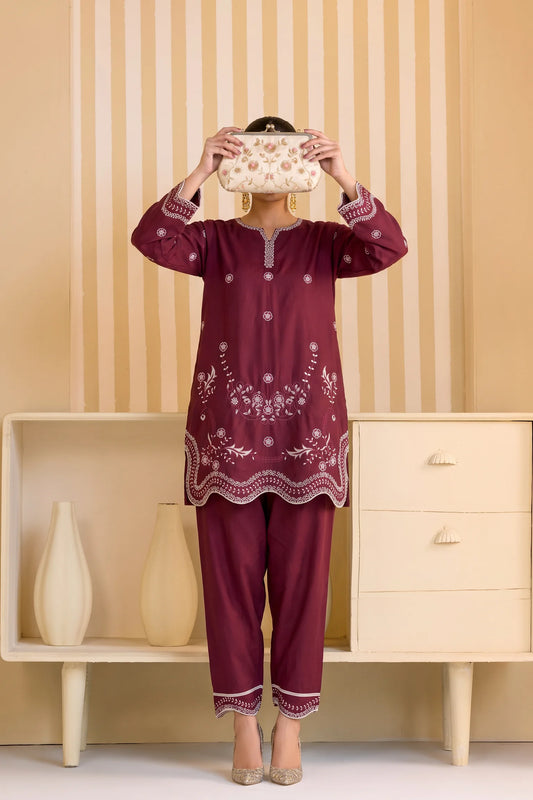
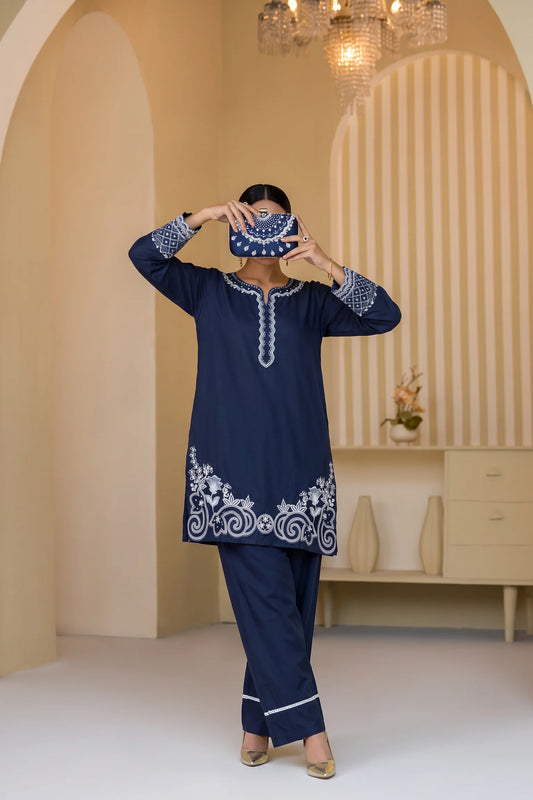
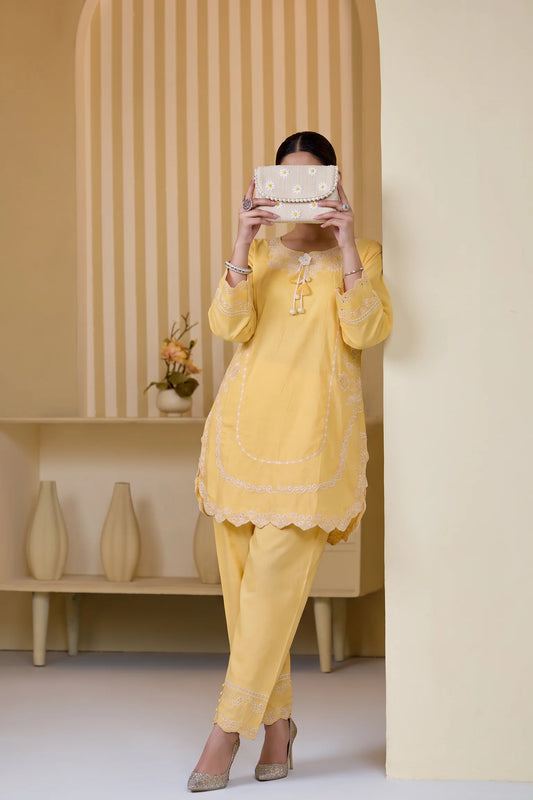
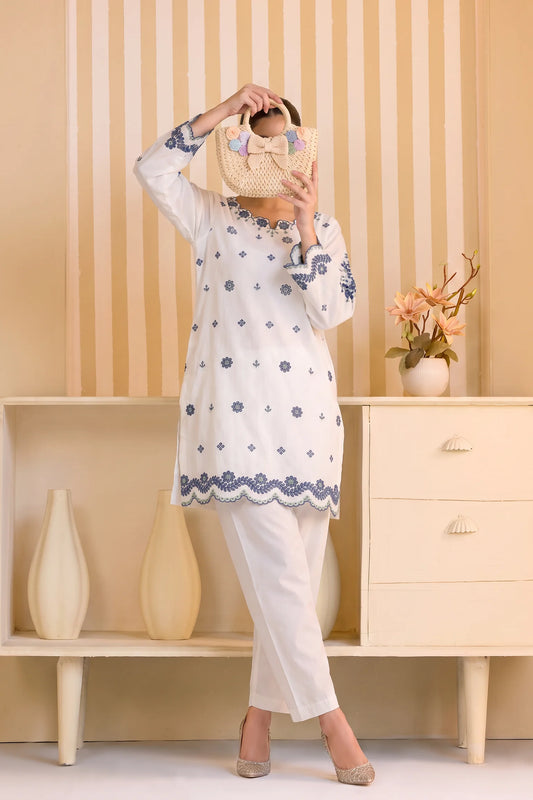
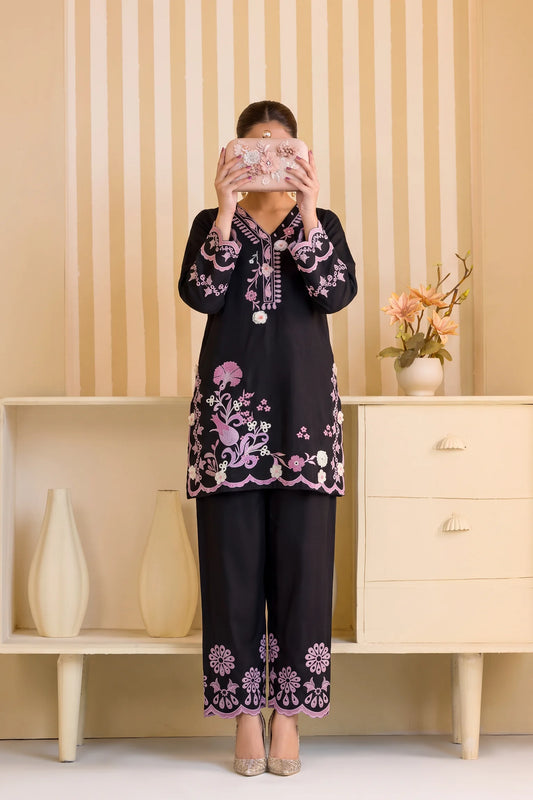
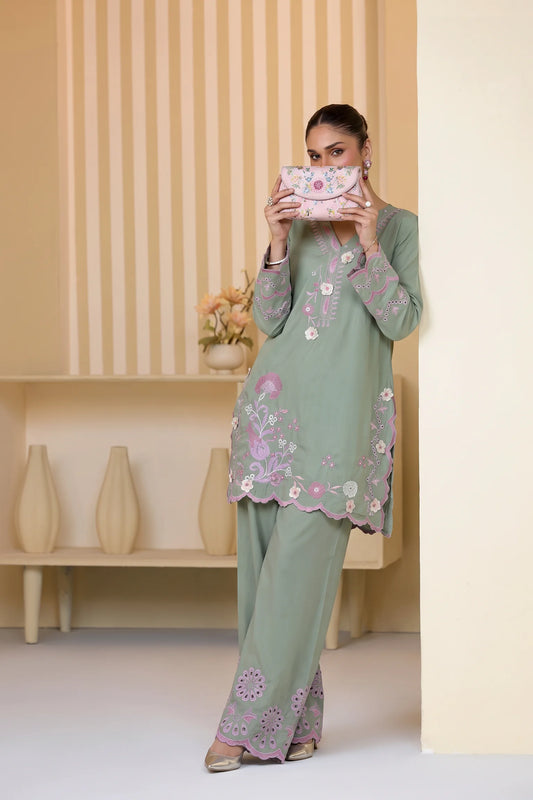
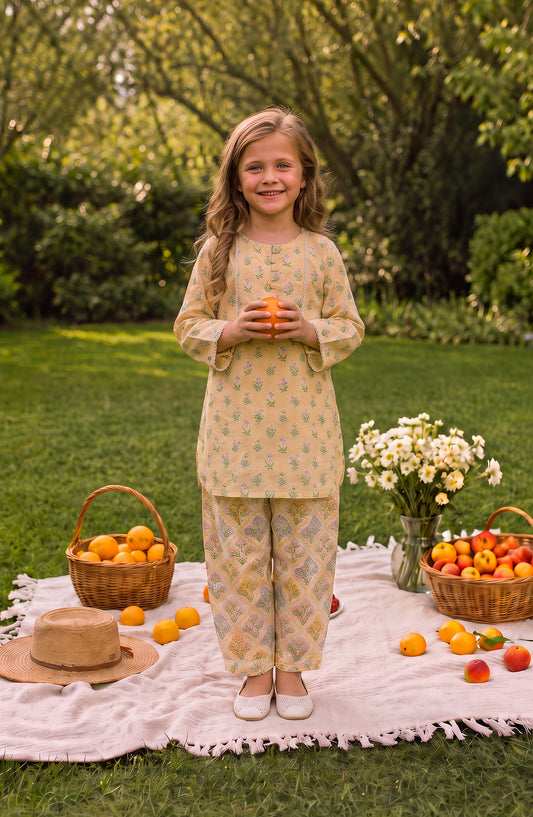
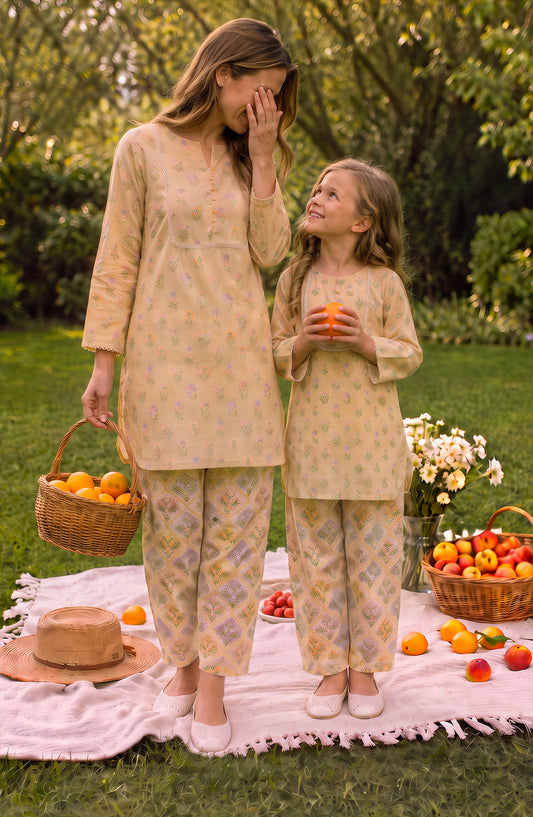
Guest formals: A modest kurta-with-pants set or a high-neck, long-sleeved formal from our modest wear edit offers an easy, elegant option that doesn't require restyling a dupatta all evening.
FAQs
1. Can modest wedding wear still look bridal and glamorous?
Yes — modesty is about coverage, not simplicity. Heavy embroidery, rich fabrics like jamawar or velvet, and structured silhouettes like angrakhas or capes can be just as bridal and glamorous as more revealing cuts.
2. What necklines work best for modest wedding outfits?
High necks, boat necks, and modestly scooped necklines finished with an embroidered collar or trim are the most popular choices, offering coverage while still framing the face and neckline detailing.
3. How do I keep sheer sleeves modest without losing the look?
Line sheer or net sleeves with a matching or skin-toned inner layer. This keeps the design intact — tiered ruffles, embroidery, or netting — while ensuring full opacity.
4. Are capes a good alternative to dupattas for modest dressing?
Yes, especially for brides or guests who want a more structured, low-maintenance option. Capes offer similar coverage to a dupatta drape but stay in place better through a long event.
5. What's the easiest way to make an existing outfit more modest?
Add a well-fitted inner layer for sheer sections, pair with a structured dupatta drape or cape, and choose three-quarter or full sleeves over sleeveless designs — small adjustments that don't require altering the outfit's core design.